



How motorcoach operators can survive in a post-Sept. 11 world
Already hurting, the North American motorcoach business received a staggering body blow on Sept. 11.
Already hurting, the North American motorcoach business received a staggering body blow on Sept. 11. In the span of a few hours, four airliners dropped from the sky in one of the most audacious and bloodcurdling terrorist attacks in history. Now, more than two months after the attacks, the tourism, hospitality and travel industries are still feeling the impact. And the worst may not be over. Yes, the motorcoach industry, especially linehaul carriers such as Greyhound, enjoyed a burst of business activity in the days after the attack as stranded air travelers desperately sought transportation alternatives, but that spillover has effectively dried up. In its wake is an American public still afraid to stray too far from home, despite encouragement from President Bush to take up their normal routines. In addition to spurring widespread cancellations of tours and charters, the Sept. 11 attacks have forced insurance carriers to hike their premiums as much as 100%. That’s a sharp blow to many motorcoach operators and creates another hurdle for recovery. How to meet the challenge How motorcoach operators respond to these challenges over the next several months could determine the health of the industry for several years. Rather than sit back and bemoan these newest setbacks and the impact they’re having on the fall season, motorcoach companies should be busy devising strategies to survive the winter. Here’s what I think needs to be done: Motorcoach companies and their respective associations need to continue to lobby for federal assistance. After all, the airline industry is receiving billions of dollars in bailout funds because of the huge dropoff in air travel. Many motorcoach companies rely on air travel, both for airport shuttle services and for delivery of customers, and have suffered along with the airlines. The expansion of the U.S. Small Business Administration’s Economic Injury Disaster Loan program to enterprises outside the designated disaster zones should provide some relief for cancelled or otherwise lost business. But more needs to be done to keep the motorcoach industry from further distress. Industry lobbyists are pushing for other relief measures: stronger economic disaster relief through Congress, federal funding for enhancement of vehicle and terminal security, a temporary exemption of the federal diesel fuel tax and tax credits for the purchase of new and used buses. Support the initiatives of your motorcoach associations. Letter-writing campaigns to Congress can be quite effective if the message is strong and the volume is high. Take the time to express your support of federal relief measures to your congressional delegates. How to survive the winter Of immediate importance, however, is cash flow. The cancellation of tours across the country has caused many companies, especially the smaller operators, to dig deep into their reserves to service their debt. Because it is in the interest of their lenders for them to stay in business, motorcoach companies should be asking for help. A few months of interest-only payments on rolling stock could be the difference between survival and bankruptcy. Or how about asking for three months of suspended payments, with the principal and interest tacked on to the end of the loan agreement? You might find that your creditors are more than willing to help you stay afloat, especially if you can offer evidence that you have a strategy to overcome the current travel malaise. As Dale Bunce indicates in his article, “Capitalize on New Opportunities, Says Motorcoach Marketing Expert,” tour and charter companies can no longer embrace “business as usual.” Identifying new opportunities and understanding the importance of delivering new services are keys to survival. As Dale mentions in his article, you will also need to reform your rate structure. Now is the time to expand your market and introduce more reasonable rates. You really can’t afford not to, can you?
More Management
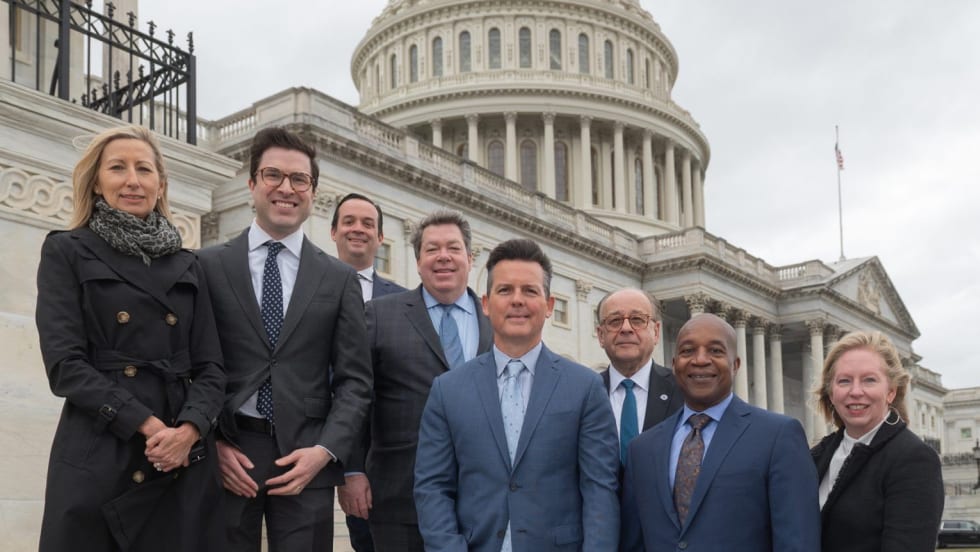
The Business Voice Behind Public Transportation
As chair of APTA’s Business Members Board of Governors, Ray Melleady explains how more than 850 business members are partnering with transit agencies to advance funding, innovation, and industry-wide collaboration.
Read More →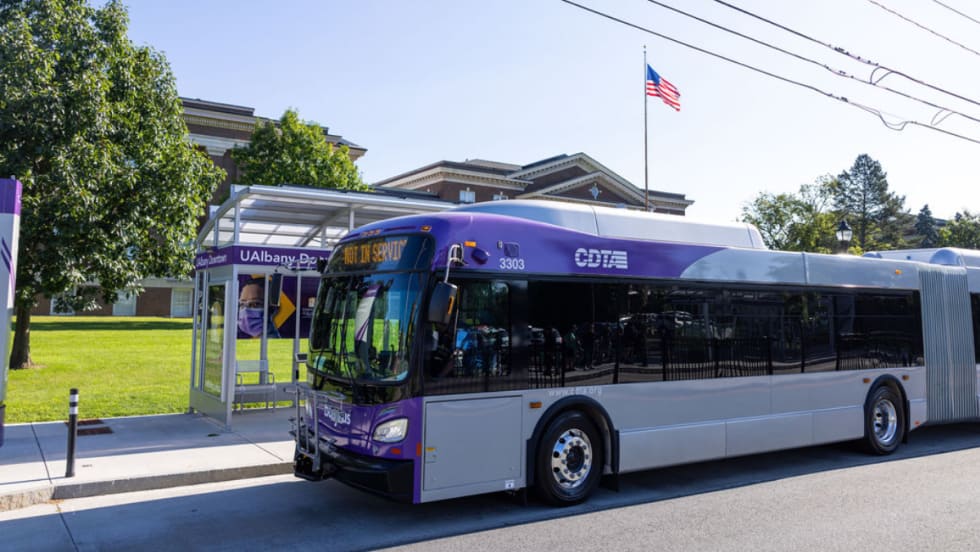
New York’s CDTA Service Rebalancing Boosts Productivity, On-Time Performance
Despite a slight dip in ridership, the agency’s FY2026 results show its service rebalancing strategy is helping the agency carry more riders per service hour while improving reliability.
Read More →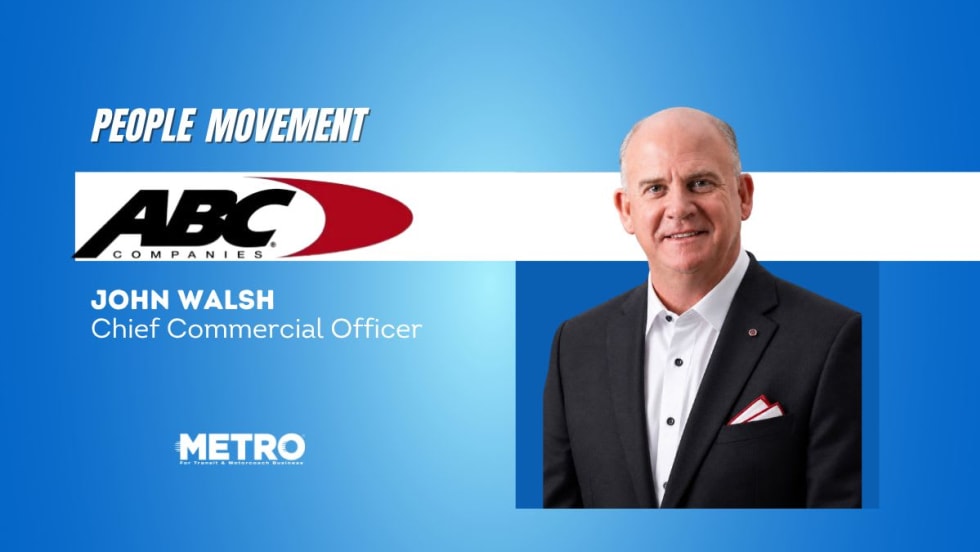
People Movement: ABC Names John Walsh as Chief Commercial Officer
In this edition, METRO also covers recent appointments and announcements at the DART, STV, and more, showcasing the individuals helping to shape the future of transportation.
Read More →
From Surviving to Thriving: Building Stronger Transportation Organizations
Bus Business Consultants founder Brian Dickson shares lessons on leadership, organizational health, and creating options for long-term success in a changing transportation industry.
Read More →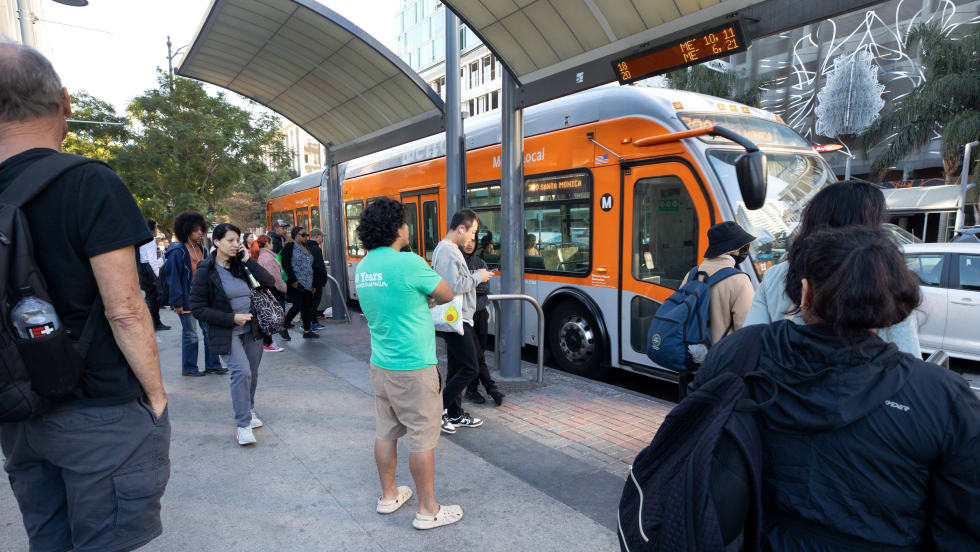
LA Metro Ridership Continues Growth as Rail Gains Accelerate
New rail connections and major events help drive continued ridership gains, with Metro recording its eighth consecutive month of year-over-year rail growth.
Read More →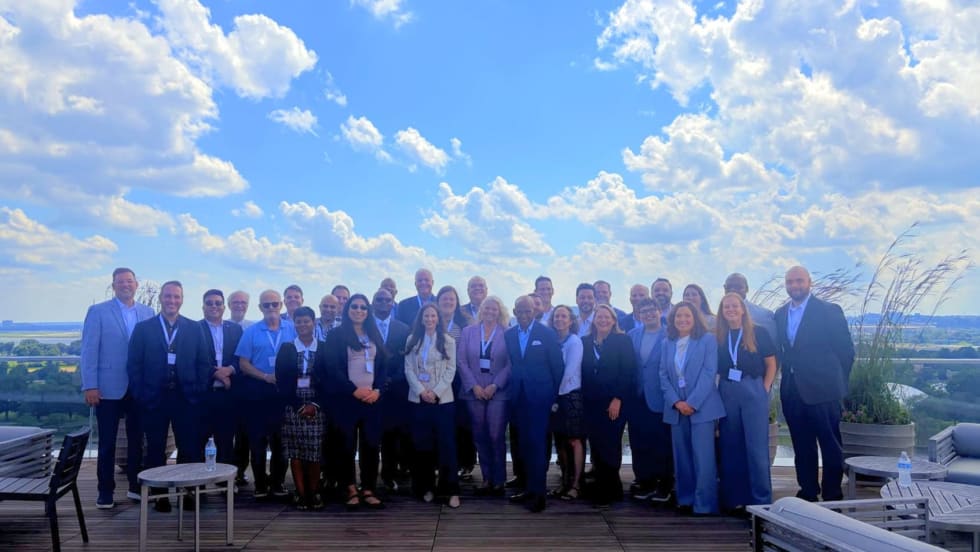
TransDASH Summit Focuses on Measuring What Matters in Transit
Transit agencies unveil a national performance platform designed to benchmark customer experience, safety, community value, and other outcomes.
Read More →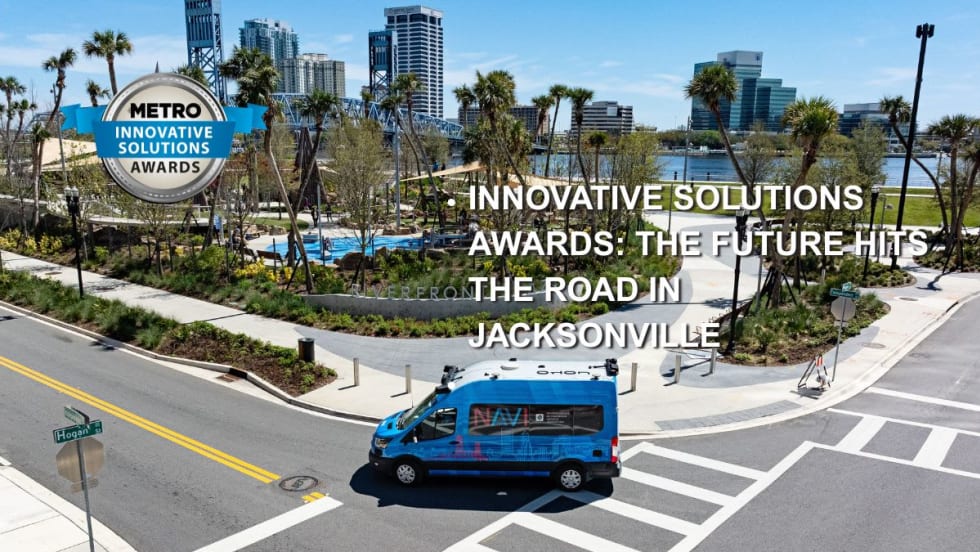
Jacksonville’s NAVI Project Charts a New Course for Autonomous Public Transportation
Through its NAVI program, JTA is showing how autonomous vehicles, intelligent infrastructure, and coordinated operations can work together to deliver everyday public transportation.
Read More →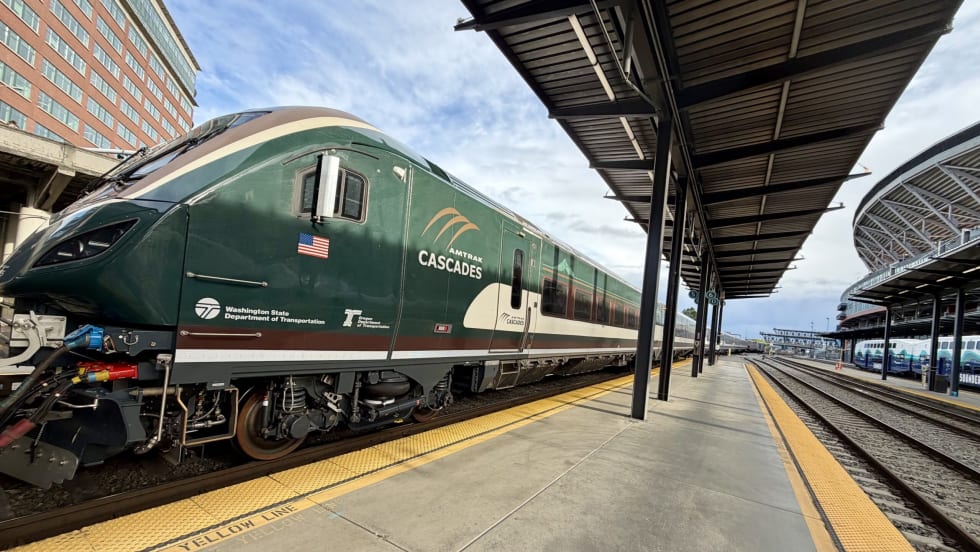
FRA Announces $5.3B in Rail Investments, Including $2B for Amtrak
Funding will support grade-crossing improvements, infrastructure upgrades, and new Amtrak equipment in 23 states.
Read More →
Finding the ‘Happy Medium’: Optimizing Maintenance Without Sacrificing Reliability
The key to maintenance optimization isn’t doing less work—it’s doing the right work at the right time on the right assets.
Read More →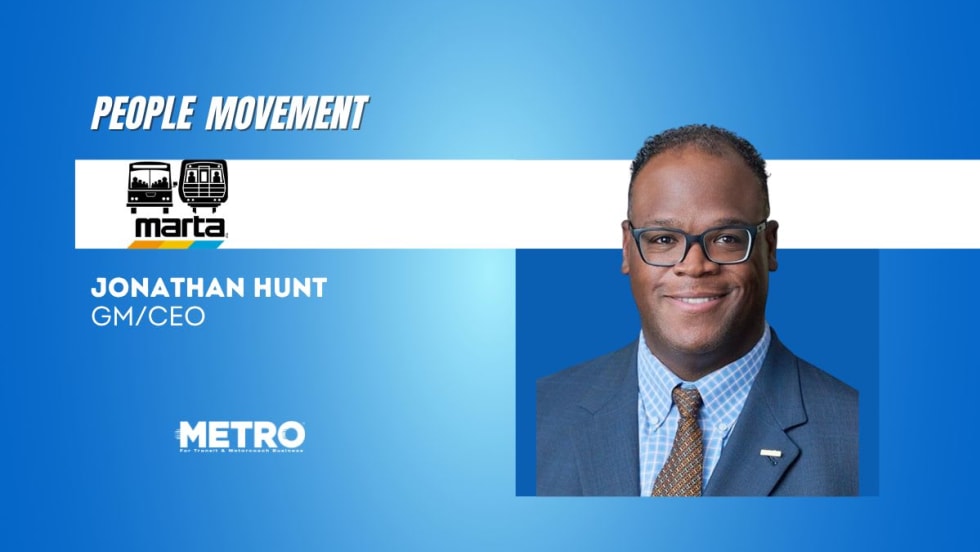
People Movement: MARTA Drops Interim Tag on GM/CEO Hunt and More
In this edition, METRO covers recent appointments and announcements at the FMCSA, HDR, SilverRide, and more, showcasing the individuals helping to shape the future of transportation.
Read More →