



How to open the lines of communication
For those of us in the transit industry, communication with our customers and within our agencies is key to our success.
For those of us in the transit industry, communication with our customers and within our agencies is key to our success. At the Transit Authority of River City (TARC) in Louisville, Ky., we have taken steps to improve communication among all employees and with our customers. One of these steps is the initiation of the “team” concept by our executive director, J. Barry Barker. Launched in 1995, the concept began with the introduction of an open-door policy with the executive director. About two years ago, Mr. Barker began hosting regular “Talk About TARC” agency-wide get-togethers that discuss various TARC programs and services, giving operators and maintenance staff the chance to ask questions and communicate concerns to executive management. These sessions have been a lifesaver for TARC. In addition to fostering communication, they give operators the chance to voice customers’ concerns about policies or service, frequently helping management anticipate and address problems. E-mail empowerment Another step we’ve taken to “open the lines” in the TARC workplace is the recent installation of a new computer system that provides an e-mail address for every employee. This is not being used to its full potential yet by all employees, but I have noticed a change in some employees’ attitudes. They now feel like they’re part of the team. In time, as more employees use the new e-mail system, I expect to see even more changes in attitudes. Among the most crucial lines of communication are those between the transportation and maintenance departments. TARC’s director of transportation, Alyce French Johnson, and our maintenance director, Jimmy Buckner, are constantly working to make these lines of communication better. Two of the tools they rely on are the defect cards left on the coaches by operators, and the swapping off of coaches that break down while in service. When the Gillig low-floor coaches were first introduced at TARC in June 1995, operators were writing defect cards for “dragging brakes” when what they were really feeling was the start of the transmission retarder when the brakes were applied. With an open communication line between transportation, maintenance and operator training, this situation was resolved. Precision is important Swapping-off of coaches that break down while in service has been and occasionally remains a problem for us. Sometimes a misunderstanding or miscommunication occurs between the radio operator and the coach operator, resulting in the coach not being at the location where the mechanic has been dispatched to repair or swap-off the coach. We’ve worked hard to change that by reminding our operators to be as specific as possible about identifying their location, and staying there until help arrives. And our radio operators are also trained to ask for and get this information, and to remind the coach operator to stay put until help arrives. It’s the team concept in action when we help each other to communicate and do our job better. We’re working on getting even better at swap-offs, and with more training and better communication, I know we will. With communication, as with anything we do in life, there is always room for improvement. Here at TARC, we make a daily effort to improve on everything we do, with the main emphasis and effort geared to serving our customers. No pun intended, but it’s our “driving force.” As always, if you have any questions for me, e-mail them to info@metro-magazine.com.
More Management
People Movement: Connectpoint Expands Leadership Team, Stadler Names New Group CEO, and More
In this edition, we also spotlight recent personnel moves at Burns, UZURV, and more, highlighting the people taking on new roles across the transportation industry.
Read More →
More Than a Summer Job: Building the Next Generation of Transit Talent
The Delaware River Port Authority and PATCO have transformed their internship program into a hands-on professional development experience that introduces students to the breadth of transportation careers — and creates a pipeline for future employees.
Read More →
LA Metro Board Awards 220 Battery-Electric Bus Contract to ENC
The contract, which is the largest base award of battery-electric buses by a U.S. transit agency, will be built in Southern California, sustaining good jobs as LA prepares to welcome the world in 2028
Read More →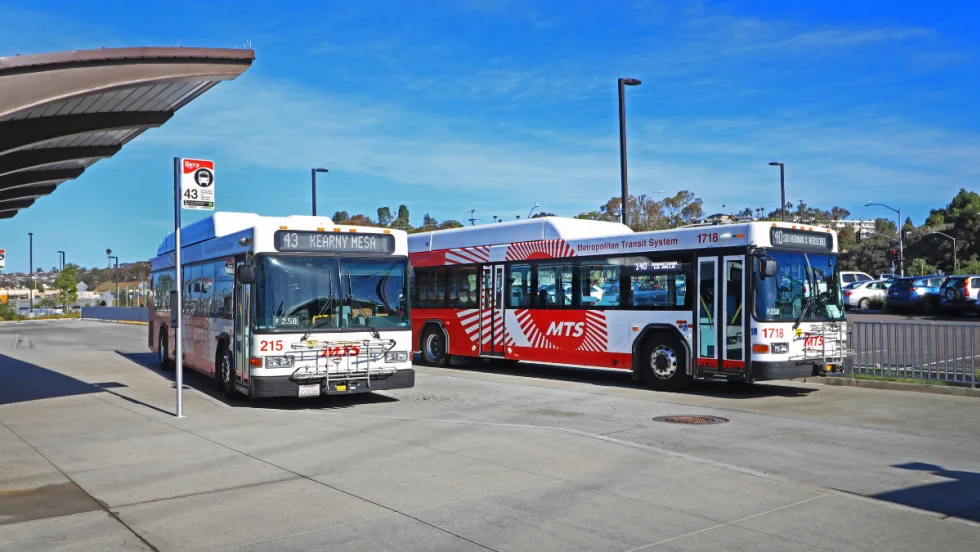
What’s Behind San Diego MTS’s Award-Winning Transit Strategy
Named one of APTA’s 2026 Outstanding Public Transportation Systems with 50 million or more annual passenger trips, California’s San Diego Metropolitan Transit System points to gains in ridership, safety, technology, and reliability as foundations of its success.
Read More →
Public Transit Conference Returning to GFX in 2027, Call for Papers Now Open
The Call for Papers is now open, allowing transit agency professionals and industry experts to help shape the PTC educational program by submitting session ideas for consideration.
Read More →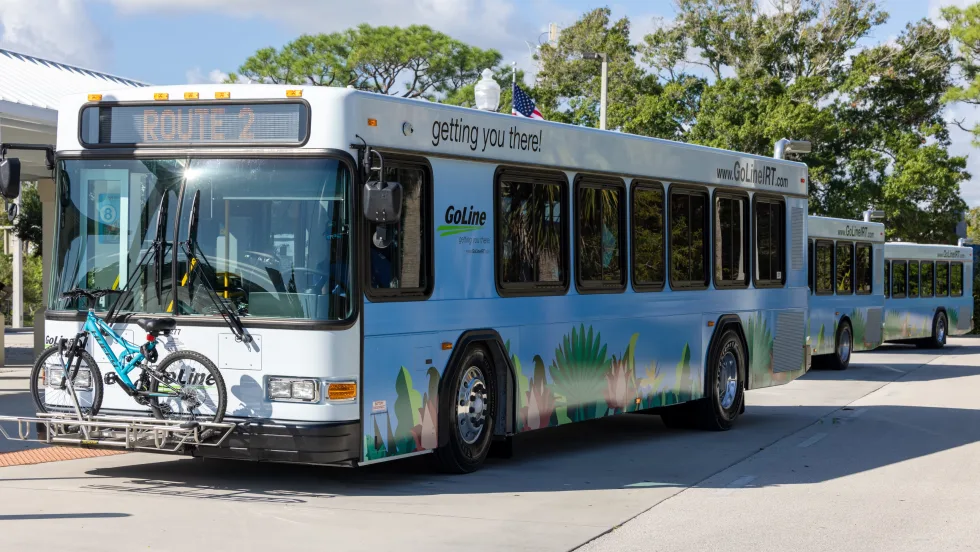
Indian River Transit’s Community-Focused Approach Earns National Recognition
Named APTA’s 2026 Outstanding Public Transportation System in its size category, Florida’s Indian River County transit system continues to grow ridership through fare-free service and a focus on evolving community needs.
Read More →
ENC Lands MATA Contract and More in Biz Briefs
In this edition of Biz Briefs, we spotlight the latest developments shaping the future of mobility.
Read More →
From Surviving to Thriving: Building Stronger Transportation Organizations
Bus Business Consultants founder Brian Dickson shares lessons on leadership, organizational health, and creating options for long-term success in a changing transportation industry.
Read More →
Everett Transit, Community Transit Outline Consolidation Agreement
The proposed agreement calls for a 50% increase in bus service in Everett, a new microtransit zone, continued paratransit service, and the transfer of Everett Transit operations to Community Transit.
Read More →
Strada360’s Steve Lassey on Turning Transit Data Into Better Decisions
From breaking down data silos to preparing for AI, Strada360 CEO Steve Lassey discusses how transit agencies can use technology to improve operations, customer information, and long-term decision-making.
Read More →