



Image is more than a logo
A company's graphic representation is far less important than the human interactions with its customers.
What’s your image? You probably immediately think of your graphic image, the logo shown on your buses, uniforms, schedules, bus stop signs, etc. It could be a stripe, a series of stripes, an arrow, blocks of colors, a picture or an illustration. What does this “look” say about your system? Does it reflect an identity to the community? More importantly, does it evoke a sense of confidence and credibility?
Some transit agencies have gone to great effort and expense to develop a graphic image designed to convey important characteristics to current and potential customers — modernity, safety, cleanliness, reliability, attractiveness.
Animal magnetism?
Some systems have adopted exotic looks of paw prints, galloping horses, big cats and other species of the wild kingdom to conjure thoughts of strength and leading the pack.
While it is crucial to have a strong graphic image to make a visual statement and to reinforce that recognition factor in other media, your true image is more than a logo. Your image is based upon human interactions far more than on a static graphic representation.
Consider: Do your coach operators smile at customers, or do they scowl and hurry passengers, being more concerned with time points than passenger comfort? What kind of response do people get when they call customer service? Are they put on hold for lengthy periods? Or do the customer service reps rush through the call to get to the next one because it’s already been on hold for 15 minutes? What happens when a resident sends an e-mail asking a question or registers a complaint? What is the internal trail of the comment, how is it resolved and how quickly? Do you get reports on complaints? Do you consider passengers as “customers” warranting customer service, or do you think of them as “butts on buses”?
Answering your critics
What happens at public meetings? Does your staff react defensively to criticism or do they encourage many viewpoints? Do they follow up with complainants as promised? Even more importantly, does your staff anticipate problems and try to address them proactively or wait to be told by you or the board to do so?
All these factors combine to create your image in the community. If it is a good image, congratulations! You’ve worked at it; it doesn’t just happen. If you have a less than positive image, you’ve earned it; it doesn’t just happen.
Attitude and awareness research studies can yield excellent information. Be sure to use a reputable and objective firm to conduct the research and then pay attention to the results. There’s no point in trying to skew the results. Use this valuable information to help you better connect with your existing and potential market.
Checklist for success
To build a positive image, provide the following to your customers.
Excellent, reliable, safe service in clean vehicles.
Attentive, pleasant coach operators who think of the customers first.
Well-trained customer service reps who answer myriad questions quickly and efficiently, giving all their attention to the existing caller, yet not neglecting other incoming calls.
Thoughtful, proactive staff who anticipate problems then solve them.
Leadership that is accessible to staff and the public, who set the example of being truly open to comments from the public, who convey sincere dedication to improving the system for the betterment of the community. Now, once you’ve worked on these elements, you can create a visual representation that embodies these characteristics. Nancy J. Pearl is president of Nancy Pearl Marketing/Communications Consulting in Reno, Nev. She can be reached at nancypearl@charter.net.
More Management
Castro to Lead RTC of Southern Nevada and More in People Movement
In this edition, we also cover recent appointments and announcements at the STV, MCI, and more, showcasing the individuals helping to shape the future of transportation.
Read More →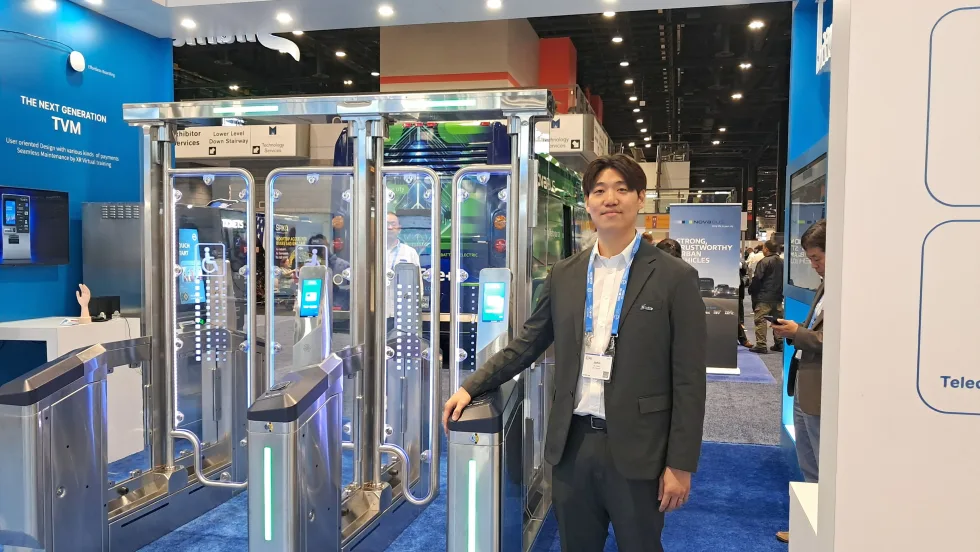
STraffic Expands North American Presence with Fare Collection Technology
John Moon, Associate Director, Product Strategy at STraffic, discusses the company's growth in North America, its efforts to reduce fare evasion, and more.
Read More →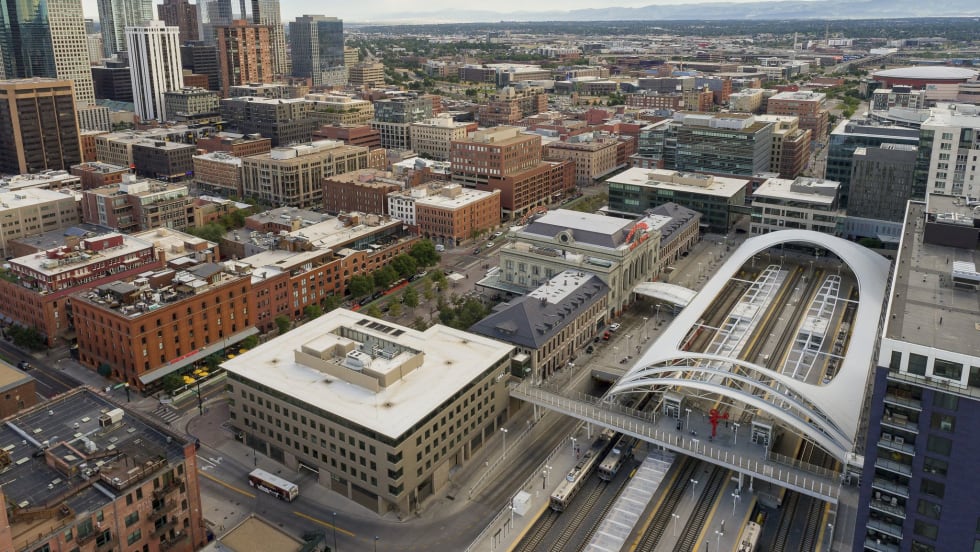
Study: Denver RTD Generates $2.1 Billion in Annual Economic Activity
An economic impact study finds the agency supports approximately 17,500 jobs, delivers $1.6 billion in annual community and mobility benefits, and generates $2.42 in economic value for every dollar invested.
Read More →
Mark Aesch Nominated to Lead Federal Transit Administration
The former Rochester transit chief and TransPro founder, who has also contributed to METRO Magazine, brings decades of industry experience and a focus on performance, accountability, and financial sustainability to the nomination.
Read More →
Best and Worst U.S. Cities for Public Transportation in 2026
A new analysis of 50 major U.S. urban areas ranks public transit systems based on accessibility, affordability, usefulness, and safety, highlighting where transit performs best and where challenges remain.
Read More →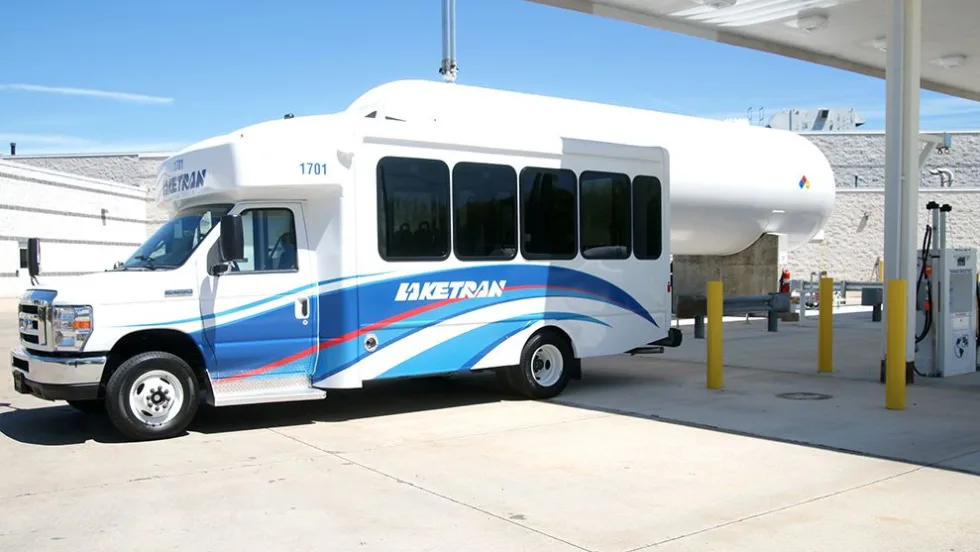
Laketran Cuts Fuel Costs, Boosts Efficiency with Propane-Powered Fleet
The Ohio transit agency is using propane-powered vehicles and on-site fueling infrastructure to cut fuel and maintenance costs while meeting growing demand for paratransit services.
Read More →
Canada’s Public Transit Supports $65.6 Billion in Annual GDP
New research from the Canadian Chamber of Commerce examines transit's economic contributions, including job creation and the financial implications of transportation investment.
Read More →
Pierce Transit Moves to Expand Fleet Following Proposition 1 Approval
The agency authorized the purchase or refurbishment of up to 60 buses to support a 47% service expansion, as voters nationwide approved billions in new transit funding.
Read More →
Right-Sizing Rural Transit: Lessons from North Grenville’s On-Demand Model
A small municipality shows how flexible service, rider needs, and public accountability can expand mobility with limited resources.
Read More →
Transit Ballot Victories Signal Strong Voter Support: What Comes Next?
Voters approved billions in public transportation investments in 2026, giving agencies opportunities to preserve service, expand operations, and strengthen regional connections amid a changing political landscape.
Read More →