



Industry needs to deliver results
For those who think there is no connection between how we spend the extra money now and what we will get from that next bill, guess again.
The public transportation industry was one of the big winners in the federal government’s huge stimulus bill passed in February. About a year’s worth of federal transit budget — $8.4 billion — was included in the bill.
Now, the industry must deliver on our part of the bargain. We insisted that we would show the real difference in new buses, train sets, systems and service — and importantly, the new jobs that would come with the new money. There is little excuse for delay, as the FTA’s apportionment notices that tell each of its grantees how most of the money will be given out were announced within weeks after the bill was signed into law, because most of the money was distributed along existing formulas.
For its part, the FTA says it will submit grant applications to the Department of Labor (DOL) for its required review of labor-related issues only “if the grant contains new project activities.” In other words, if the grant is for replacement or additional “like kind” equipment, such as for replacement buses or to exercise options on existing contracts, then the DOL will not send the grant application out for review by labor unions.
Tight deadlines part of the bill
The deadline for the first round of grant applications is July 1 of this year — less than eight weeks as you read this. In other words, half of the money each transit agency expects to receive based on the spring announcement must be applied for with enough details for the feds to make a decision by that deadline. Otherwise, the money will be re-allocated to those who did meet the due date. The pressure only gets worse, because the second round of applications is due by the end of the year, so that anything unobligated by the FTA by then can be re-allocated to transit agencies that have met the requirements. Unspent funds must be returned to the federal treasury by the end of Fiscal Year 2010, less than a year and a half from now.
This does not mean that equipment has to be built or even ordered by then; it only means that agencies tell the FTA their specific plans by July 1. The larger point, however, is that our industry must show the new and improved service that would come from the stimulus bill quickly, and visibly.
That’s why transit agencies and suppliers should have begun a dialogue by now on what can be delivered and how soon, in each city. The suppliers I regularly talk with say they are ready, and many already have had some discussions with their key customers. The rest need to do so now.
More is at stake than the extra year of spending. Soon, we will begin discussions and debate on the next federal transit and highway’s authorization bill.
For those who think there is no connection between how we spend the extra money now and what we will get from that next bill, guess again.
More Bus

Brian Dickson on Building Stronger, More Resilient Transportation Organizations
Bus Business Consultants Founder Brian Dickson discusses the leadership principles, operational discipline, and strategic planning that separate transportation companies positioned for long-term success from those stuck in survival mode.
Read More →
LA Metro Breaks Ground on Vermont BRT Project
The 12.4-mile corridor is projected to serve 66,200 daily riders, reduce travel times by up to 24%, and create the nation's busiest bus rapid transit corridor.
Read More →
Roman Cornell on ABC Companies’ Evolution and the Future of Passenger Transportation
The company’s CEO discusses carrying forward a third-generation family legacy, ABC’s continued evolution in passenger transportation, support for increasingly complex fleets, and how technology and continued investment could help operators improve uptime.
Read More →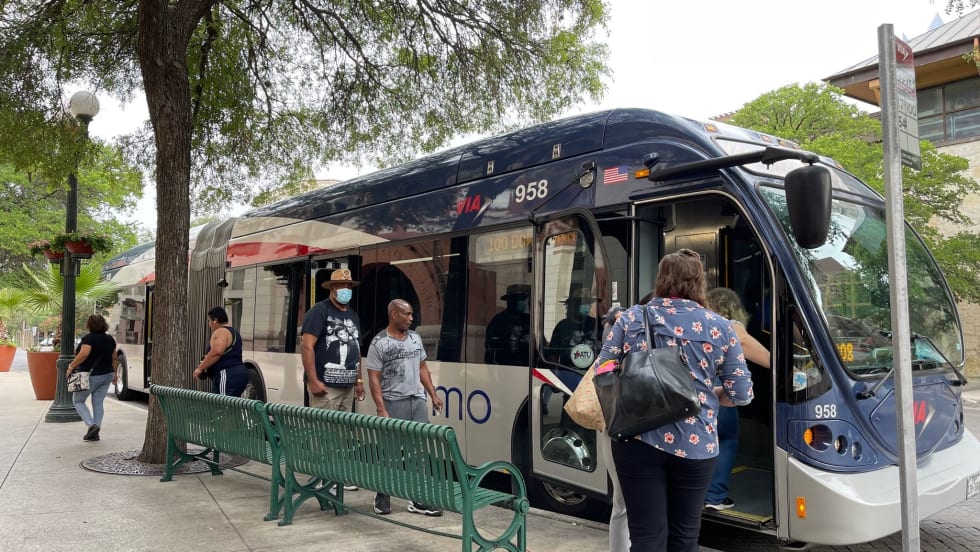
VIA Bus Ridership Grows 10.1% Through August 2026
San Antonio's VIA Metropolitan Transit reported the highest bus ridership growth among major Texas transit systems. Federal Transit Administration data ranked it second among the nation's 50 largest transit systems.
Read More →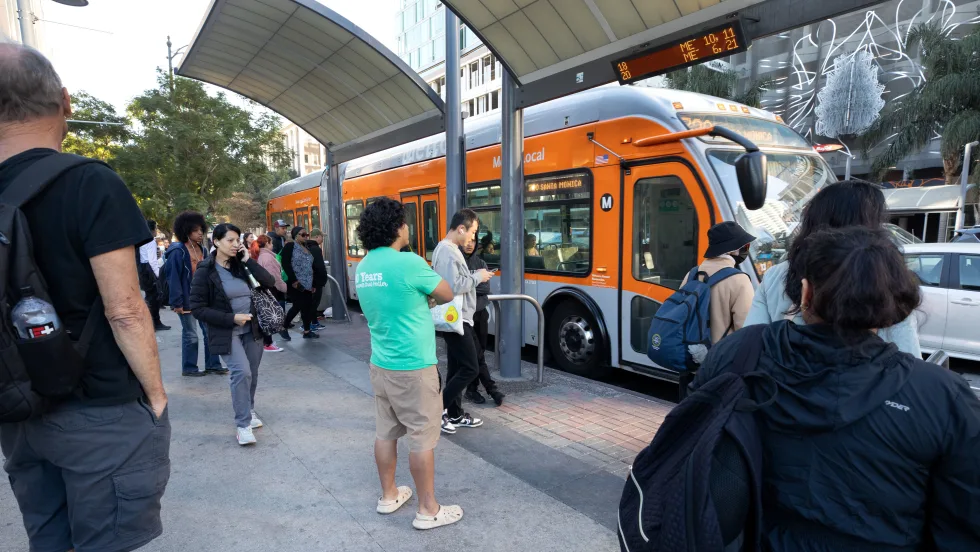
LA Metro September Ridership Climbs 3.9%, Led by Rail Growth
The agency recorded more than 27.2 million boardings, with rail ridership increasing 12.4% year over year and the D Line posting the largest gains.
Read More →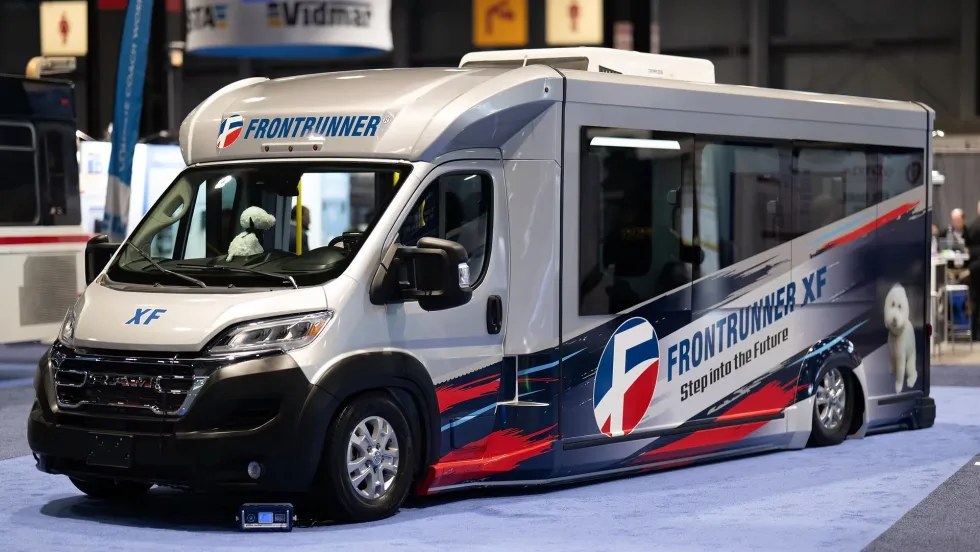
Frontrunner Bus Group Introduces XF Low-Floor Bus with Enhanced Accessibility
The new mid-sized bus features a full flat-floor design, eight-inch curbside step-in height, and zero-entry rear ramp to improve passenger access and operational flexibility.
Read More →
Scenes from APTA TRANSform & EXPO 2026
Transit leaders, manufacturers, and industry professionals gathered in Chicago to explore new technologies, share ideas, and discuss the future of public transportation.
Read More →
More Than a Summer Job: Building the Next Generation of Transit Talent
The Delaware River Port Authority and PATCO have transformed their internship program into a hands-on professional development experience that introduces students to the breadth of transportation careers — and creates a pipeline for future employees.
Read More →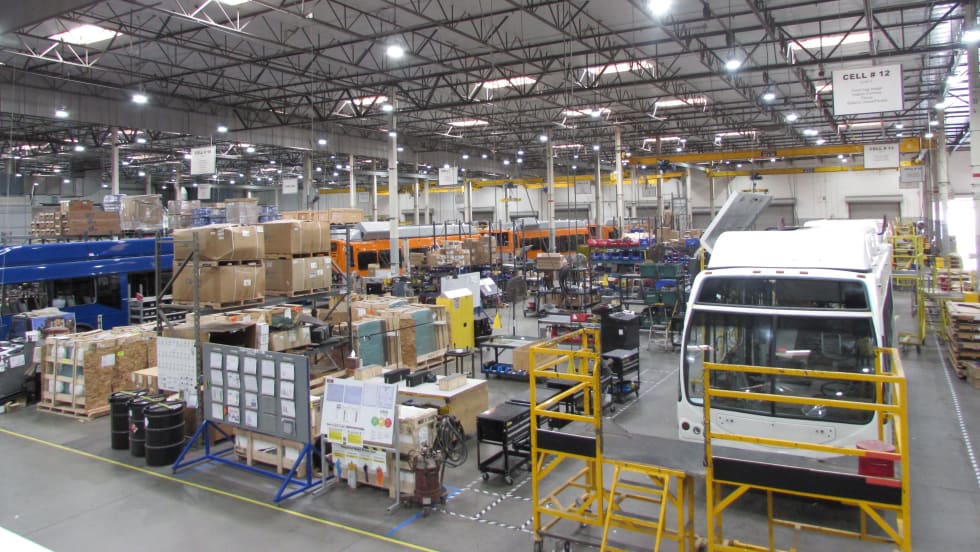
LA Metro Board Awards 220 Battery-Electric Bus Contract to ENC
The contract, which is the largest base award of battery-electric buses by a U.S. transit agency, will be built in Southern California, sustaining good jobs as LA prepares to welcome the world in 2028
Read More →
Public Transit Conference Returning to GFX in 2027, Call for Papers Now Open
The Call for Papers is now open, allowing transit agency professionals and industry experts to help shape the PTC educational program by submitting session ideas for consideration.
Read More →