



MARTA Set to Launch Next Gen Bus Network
The historic initiative represents the first time since MARTA began bus operations in the early 1970s that the entire system has been redrawn from scratch.

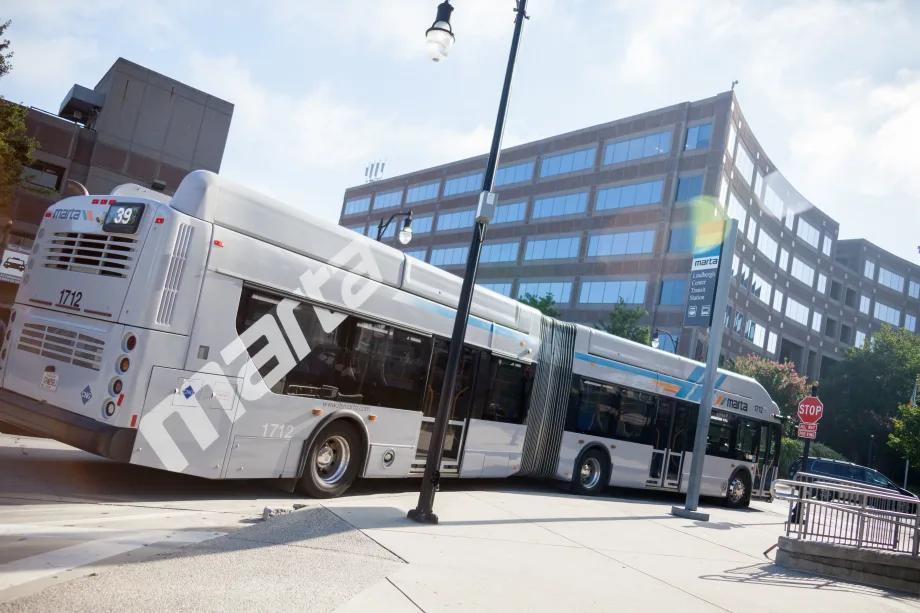
The cornerstone of the NextGen Network is a dramatic increase in high-frequency service. The new network triples the number of corridors with buses arriving every 15 minutes or better, increasing from five to 17.
MARTA
- MARTA is preparing to introduce a new generation bus network.
- This initiative marks a historic redesign of MARTA's bus system.
- It is the first complete overhaul since the 1970s.
*Summarized by AI
The Metropolitan Atlanta Rapid Transit Authority (MARTA) announced it will officially launch its NextGen Bus Network on April 18.
The historic initiative represents the first time since MARTA began bus operations in the early 1970s that the entire system has been redrawn from scratch.
MARTA’s New Bus Network
The new bus network is designed to meet the needs of modern transit customers in an ever-evolving Atlanta region. Moving away from the incremental changes of the past, MARTA is launching a new bus network designed for how people live and work today.
“Atlanta has changed significantly over the last 40 years, and our bus network must reflect that reality,” said Interim MARTA GM/CEO Jonathan Hunt. “We want to provide a modern transit experience that prioritizes frequency, consistency, and significantly expanded access to the places that matter most to our riders. On balance, this network is a massive improvement for most of our customers and for the region. Our goal is to deliver more access to more places in less time.”
The cornerstone of the NextGen Network is a dramatic increase in high-frequency service. The new network triples the number of corridors with buses arriving every 15 minutes or better, increasing from five to 17.
The 15-minute frequency means more riders will no longer need to consult a schedule and can arrive at a stop and know a bus is coming shortly, MARTA said.
Additionally, 11 routes will feature service every 20 minutes or better, ensuring that one-third of the entire network provides high-frequency reliability.
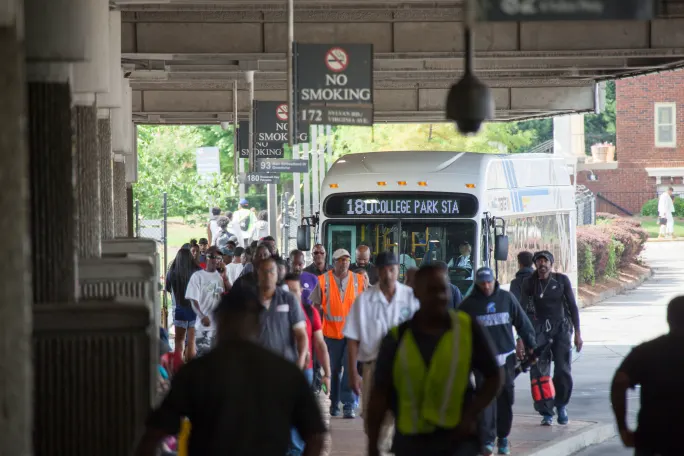
The redesigned network consists of 81 fixed bus routes optimized for speed and frequency, as well as 12 MARTA Reach on-demand zones, providing flexible, curb-to-curb connectivity in lower-density areas where traditional fixed-route buses were less efficient.
MARTA
Greater Consistency, Access
In a major shift from previous operations, the NextGen Network introduces greater service consistency, both during off-peak hours and during the weekends.
Whether a rider is commuting on a Monday morning, heading to the grocery store on Saturday afternoon, or traveling to a place of worship on Sunday, MARTA officials said the service levels will remain nearly the same for most routes.
The 81 fixed routes will operate at the same frequency for most of the day, seven days a week, making the system more useful for all our customers, not just traditional workweek commuters.
The redesigned network consists of 81 fixed bus routes optimized for speed and frequency, as well as 12 MARTA Reach on-demand zones, providing flexible, curb-to-curb connectivity in lower-density areas where traditional fixed-route buses were less efficient.
While the total number of routes will be lower than before, the strategic redesign actually increases overall access, with 6% more people in the region within a quarter of a mile of MARTA service.
By prioritizing frequency and directness, the NextGen Bus Network dramatically expands the opportunities available to the average rider within a 60-minute travel window. Compared to the existing network, the average rider can now reach:
- 31% more hospitals
- 27% more grocery stores
- 22% more jobs
- 21% more colleges and universities
Quick Answers
MARTA is set to launch a Next Gen Bus Network, which is a complete overhaul and redraw of the bus system.
*Summarized by AI
More Bus

More Than a Summer Job: Building the Next Generation of Transit Talent
The Delaware River Port Authority and PATCO have transformed their internship program into a hands-on professional development experience that introduces students to the breadth of transportation careers — and creates a pipeline for future employees.
Read More →
LA Metro Board Awards 220 Battery-Electric Bus Contract to ENC
The contract, which is the largest base award of battery-electric buses by a U.S. transit agency, will be built in Southern California, sustaining good jobs as LA prepares to welcome the world in 2028
Read More →
Public Transit Conference Returning to GFX in 2027, Call for Papers Now Open
The Call for Papers is now open, allowing transit agency professionals and industry experts to help shape the PTC educational program by submitting session ideas for consideration.
Read More →
Indian River Transit’s Community-Focused Approach Earns National Recognition
Named APTA’s 2026 Outstanding Public Transportation System in its size category, Florida’s Indian River County transit system continues to grow ridership through fare-free service and a focus on evolving community needs.
Read More →
ENC Lands MATA Contract and More in Biz Briefs
In this edition of Biz Briefs, we spotlight the latest developments shaping the future of mobility.
Read More →
From Surviving to Thriving: Building Stronger Transportation Organizations
Bus Business Consultants founder Brian Dickson shares lessons on leadership, organizational health, and creating options for long-term success in a changing transportation industry.
Read More →
Everett Transit, Community Transit Outline Consolidation Agreement
The proposed agreement calls for a 50% increase in bus service in Everett, a new microtransit zone, continued paratransit service, and the transfer of Everett Transit operations to Community Transit.
Read More →
SEPTA Details Accelerate Vision for Transit System
The plan outlines investments in trolley modernization, new Metro and Regional Rail vehicles, accessible stations, and more frequent bus and rail service.
Read More →
Report: Transit Bus Manufacturing Supports 34,100 Jobs, $5.1B in GDP
The “Buses Mean Business” report examines the transit bus manufacturing industry’s economic footprint, supply chain, and rising demand for vehicle replacements.
Read More →
Biz Briefs: New Flyer Delivers in Columbus, Houston, Beep and Freebee Merge, and More
In this edition of Biz Briefs, we spotlight the latest developments shaping the future of mobility.
Read More →