



Industry revenue flat, equipment costs increase, said United Motorcoach Assoc.
Since 1982, annual operating revenue for a motorcoach has remained between $112,000 and $125,000 a year while the cost of a new coach increased from about $180,000 then to $350,000 in 2000.

Since 1982, annual operating revenue for a motorcoach has remained between $112,000 and $125,000 a year while the cost of a new coach increased from about $180,000 then to $350,000 in 2000. Those figures provided a harsh reality to those attending the United Motorcoach Association’s (UMA) annual meeting in February in Atlantic City. An eight-year expansion of the industry has cooled, causing a diminished value for existing fleets and predicted flat sales for manufacturers during the next one to two years. “The total market is falling due to low revenue, changing habits and new markets available,” said Dale Bunce of IMD, the marketing/consulting firm that compiled information on the state of the industry for the UMA meeting. Several reasons Bunce mentioned for the stagnation in the industry are more charters with fewer long-term trips and a poor business approach. Since many of the operations are family owned, there is very little marketing and operators rely on price to build volume, he says. “We don’t run the businesses as good as we could,” Bunce said. “Everybody’s giving customer service. You need to be better than that.” Out of the $573 billion people pay to the tour and travel industry, only $7 billion of that goes to the motorcoach industry, compared with the $112 billion that goes to the airlines. Most operators target the same core markets—corporate, schools, seniors and commuter—all of which have become more competitive, Bunce said. “Corporate America holds a real future for us, but we’re not doing a lot with it today. Most don’t actively go out and try to get the corporate market,” he said. “In 2004, the tour market will be more attractive, but also more competitive.” The majority of the revenue for the industry (72%) comes from charter services, while linehaul (18%) is growing and tours (10%) are decreasing. To help increase revenues in all of those areas, Bunce suggested focusing on revenue growth and margins and marketing the unique aspects of the services offered. He also recommended becoming more creative and developing untapped markets. “The revenues are not keeping pace with increased expenses,” said Vic Parra, CEO of the UMA. To help alleviate the slowing in the industry, the UMA is exploring with its membership the following four strategies: increasing general business skills, creating a partnership with government, building a brand identity and creating an ongoing new business development program. (Expanded coverage of those four strategies and the state of the industry presentation can be found in METRO’s May 2001 issue.) The UMA also unveiled the executive summary of its first annual Benchmarking & Operating Ratios Study that determines such benchmarks as revenues, fleet size and service type. The study shows that the average motorcoach company (out of the 175 that responded) earns total operating revenue per coach of about $130,000, with the revenue per coach being the highest among operators with 20 to 70 coaches. Companies that earn more than a third of their revenues from scheduled service averaged higher revenues per coach, read the study. “There’s clearly a need to get this information into the hands of operators,” Parra said. “The underlying message is that we’ve got to change our operating model.” Other big news at the UMA meeting centered around the unveiling of some unique motorcoaches. Neoplan’s Intermodal Expeditor is a double-decker motorcoach with the ability to transport a standard 20-foot intermodal freight container or several smaller freight containers. “It was designed to increased revenue for scheduled route operators,” said Neoplan’s James Gaspard. “It gives two streams of independent revenue.” The 35-passenger vehicle can help operators tap into the $140 billion time sensitive freight market, he said. Production on the vehicle will begin in the third or fourth quarter of this year. Motor Coach Industries also showcased its new J4500, an evolution of its previous coaches. The vehicle features a spiral staircase, theater seats, a stainless steel frame, interchangeable windshields, a new engine door, a below the floor cooling system and more driver parcel space. “It has style and simplicity at the right price,” said Brent Danielson, product manager for the J4500. The vehicle has a base price of $348,000 and the first model went to Ozark Trailways in Fort Smith, Ark.
More Management

Bus Tech Talk: Keeping Transit Technicians Ahead of the Technology Curve
In this episode of Bus Tech Talk, Complete Coach Works’ Business Development Manager Mark Hollenbeck and METRO’s Executive Editor Alex Roman sit down with Obed Mejia, Senior Technical Trainer for Bus Maintenance, at LA Metro to discuss how rapidly evolving bus technology is changing the maintenance shop — and the skills technicians need to keep pace.
Read More →
Michael Schneider Joins Paslay Group to Expand Transportation Practice
The longtime transportation executive will help Paslay Group grow its advisory and program management work across transit, highway, and other infrastructure sectors.
Read More →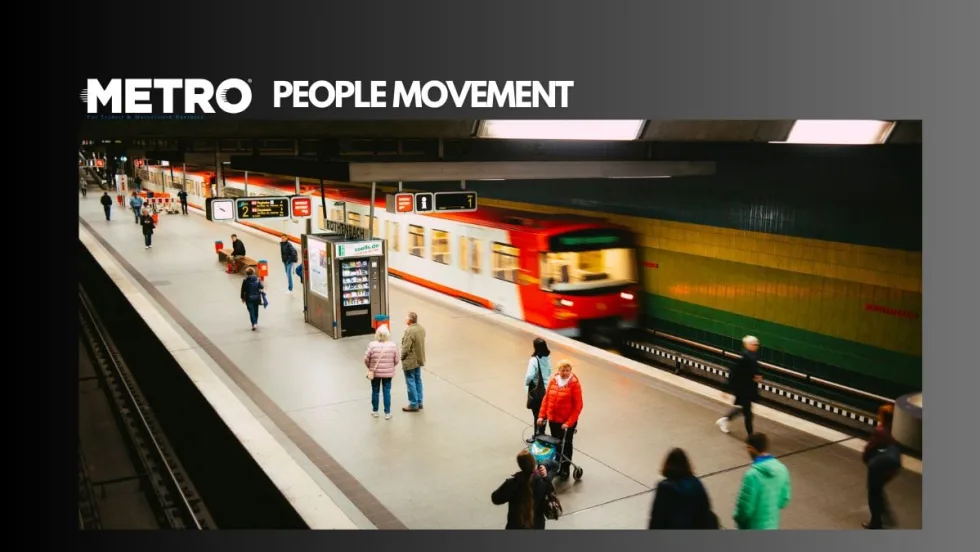
People Movement: Connectpoint Expands Leadership Team, Stadler Names New Group CEO, and More
In this edition, we also spotlight recent personnel moves at Burns, UZURV, and more, highlighting the people taking on new roles across the transportation industry.
Read More →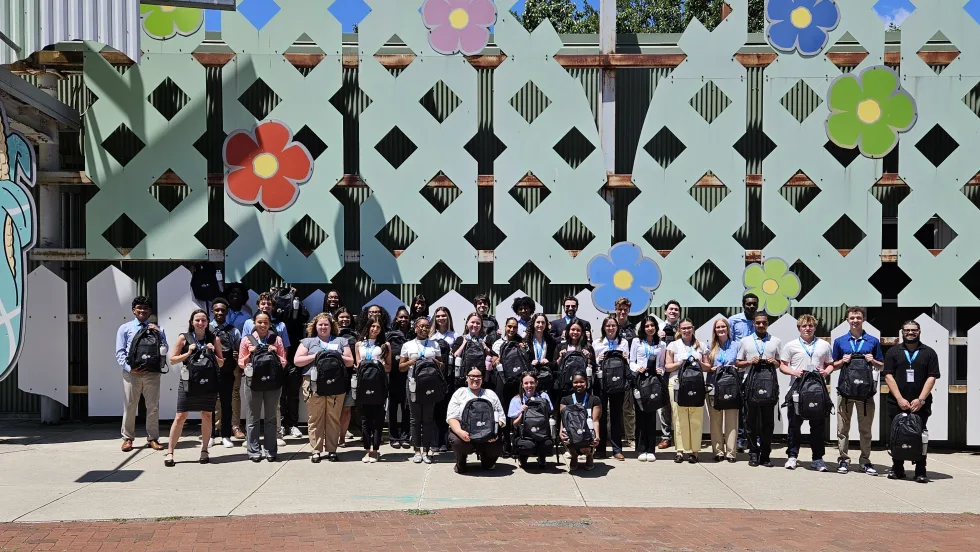
More Than a Summer Job: Building the Next Generation of Transit Talent
The Delaware River Port Authority and PATCO have transformed their internship program into a hands-on professional development experience that introduces students to the breadth of transportation careers — and creates a pipeline for future employees.
Read More →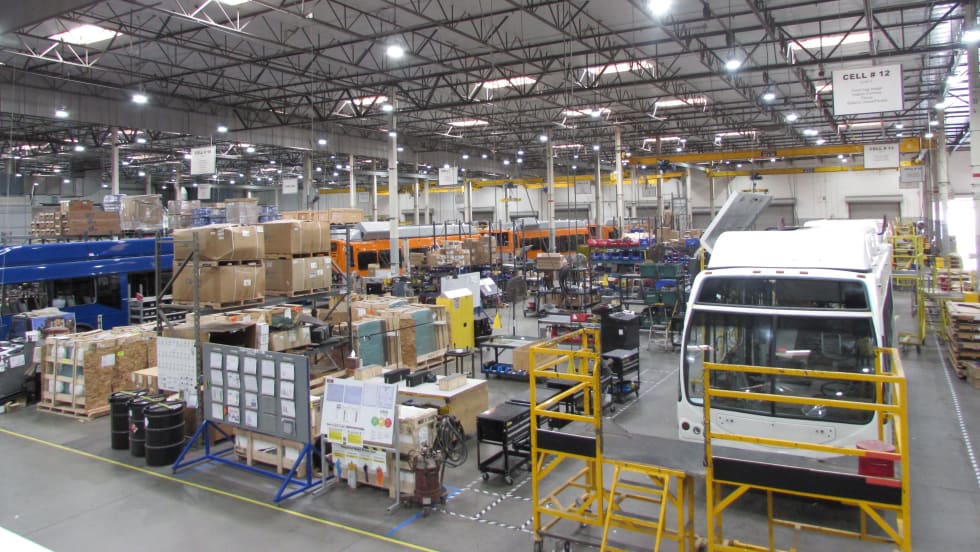
LA Metro Board Awards 220 Battery-Electric Bus Contract to ENC
The contract, which is the largest base award of battery-electric buses by a U.S. transit agency, will be built in Southern California, sustaining good jobs as LA prepares to welcome the world in 2028
Read More →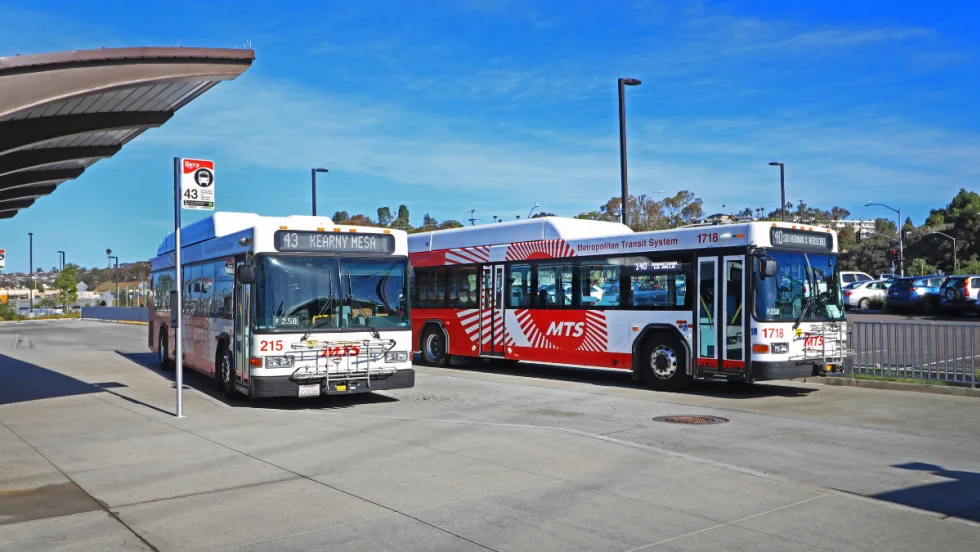
What’s Behind San Diego MTS’s Award-Winning Transit Strategy
Named one of APTA’s 2026 Outstanding Public Transportation Systems with 50 million or more annual passenger trips, California’s San Diego Metropolitan Transit System points to gains in ridership, safety, technology, and reliability as foundations of its success.
Read More →
Public Transit Conference Returning to GFX in 2027, Call for Papers Now Open
The Call for Papers is now open, allowing transit agency professionals and industry experts to help shape the PTC educational program by submitting session ideas for consideration.
Read More →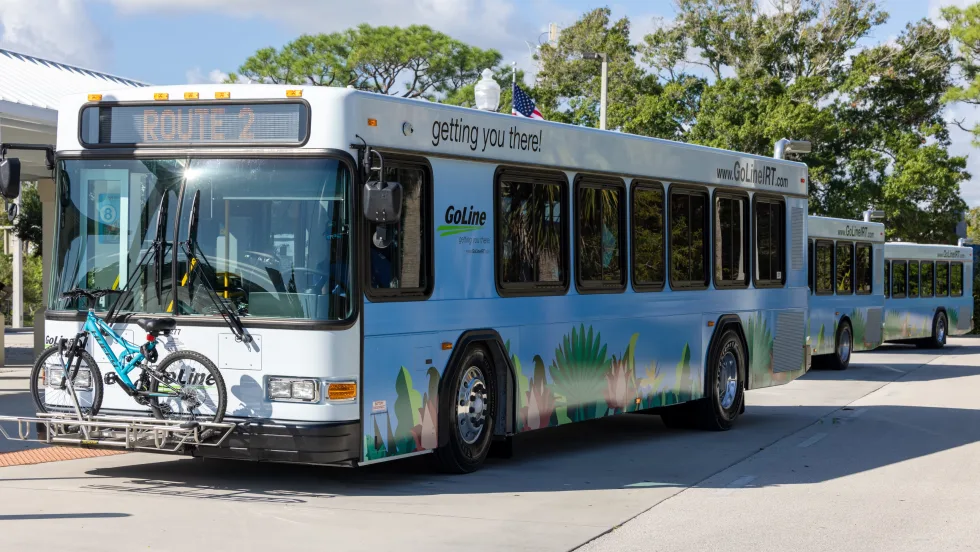
Indian River Transit’s Community-Focused Approach Earns National Recognition
Named APTA’s 2026 Outstanding Public Transportation System in its size category, Florida’s Indian River County transit system continues to grow ridership through fare-free service and a focus on evolving community needs.
Read More →
ENC Lands MATA Contract and More in Biz Briefs
In this edition of Biz Briefs, we spotlight the latest developments shaping the future of mobility.
Read More →From Surviving to Thriving: Building Stronger Transportation Organizations
Bus Business Consultants founder Brian Dickson shares lessons on leadership, organizational health, and creating options for long-term success in a changing transportation industry.
Read More →