



Making a Difference: The Bus Industry Combats Human Trafficking
Human trafficking — or modern-day slavery — is the exploitation of human beings through force, fraud, or coercion for the purposes of commercial sex or forced labor.
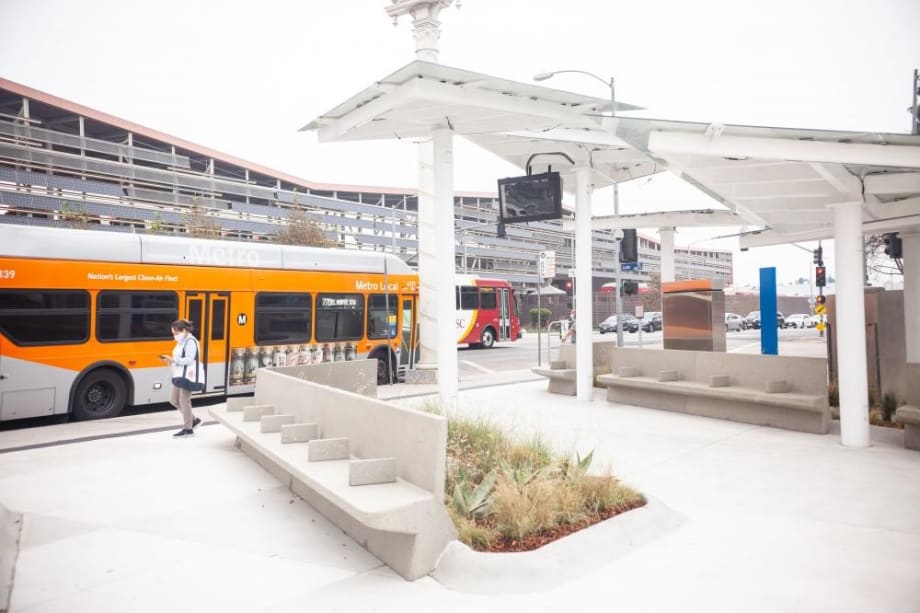
In example after example, throughout the U.S., members of the bus industry are making a difference in the lives of victims of human trafficking and helping law enforcement investigate and prosecute traffickers.
LA Metro
At a transit center in Washington, a customer service representative helped a young woman get a ride to a safe place after she had been brutally beaten, raped, and robbed, allegedly as punishment for refusing to be prostituted. On an intercity bus in Ohio, the driver alerted law enforcement after a young woman told him that she was being held against her will and forced into prostitution by a male passenger on the same bus. At a bus station in Texas, employees helped a young man call the National Human Trafficking Hotline after he told them he’d been abandoned by the head of a traveling construction crew who had confiscated his identification documents, stole his belongings, refused to tell him where he was, and denied him pay. At a transit center in California, security guards reported suspicions about a man they’d observed making unwelcomed advances on young women to their local human trafficking task force, which launched an investigation that culminated in the arrest of the man at a motel where he and an accomplice were holding a young woman against her will.
Human trafficking — or modern-day slavery — is the exploitation of human beings through force, fraud, or coercion for the purposes of commercial sex or forced labor. There are an estimated 40 million victims of human trafficking worldwide including thousands of girls, boys, women, and men in the U.S.
In example after example, throughout the U.S., members of the bus industry are making a difference in the lives of victims of human trafficking and helping law enforcement investigate and prosecute traffickers. The heroism displayed by these bus drivers and station employees is rarely the type that makes for splashy headlines, but rather the kind that comes from being observant, showing care for those in need, being willing to get involved, and understanding what to look for and how to report it effectively.
Traffickers prey upon vulnerabilities and, in many ways, it’s because of the critical service that buses provide vulnerable populations along America’s roadways and in American communities that make the bus industry so important in this fight. Traffickers, looking for disaffected youth or people who may be down on their luck, go to bus stops and bus stations in search of prospective victims. As a low cost, relatively anonymous form of transportation, traffickers use buses in transporting their victims, either following an initial online recruitment — when they are using a bus to bring their victims to them — or using a bus during the exploitation phase to take their victims to and from places where they will be sold. In a study released by Polaris, who runs the National Human Trafficking Hotline, 42% of survivors stated that they or their traffickers utilized local or long distance buses in the facilitation of their exploitation.
Buses can also be a lifeline for victims of human trafficking. As traffickers often control their victims’ identification documents, money, communication, and access to information, victims have few avenues to exit their situation. Consequently, when victims are able to get out, a transit center or bus station may be the first place they’ll go to find safety or escape. In the Polaris study, 26% of survivors said that public or mass transportation played a role in at least one of their exit attempts.

There are an estimated 40 million victims of human trafficking worldwide including thousands of girls, boys, women, and men in the U.S.
BOTL
Making a Difference
Recognizing these realities, Busing on the Lookout (BOTL), a program of the non-profit organization Truckers Against Trafficking, partners with private bus companies, public transit providers, state agencies, municipalities, school districts, and others to educate and equip members of the bus industry to combat human trafficking as part of their everyday jobs. BOTL operates on the belief that by empowering frontline bus industry employees with information about human trafficking, bus drivers, terminal workers, maintenance staff, ticket counter personnel, security guards, janitorial staff, etc., can play an integral role in helping to recover victims and bring traffickers to justice.
There are several steps that bus industry leaders, state agencies and the federal government can take to support this important work. BOTL recommends the following:
Bus Industry
Train all employees on human trafficking with BOTL’s industry-specific resources that can be accessed for free at https://truckersagainsttrafficking.org/bus-training/.
Establish an internal reporting policy for when trafficking is suspected.
Launch a victim-centered awareness campaign to reach victims with lifesaving information.
State Agencies
Train all department of transportation employees and motor vehicle enforcement and/or law enforcement officers on human trafficking.
Share information about BOTL’s free training resources with bus companies, transit agencies and school districts.
Incorporate BOTL’s training into curriculum used for school bus driver certification or Commercial Driver’s License (CDL) schools.
Federal Government
The U.S. Department of Transportation (USDOT) should expand upon its grant programs that provide federal funding to state and local transportation-focused anti-trafficking initiatives, including those for public transportation providers to conduct training and public awareness.
Congress should appropriate federal funding to the USDOT for direct training and grant programs that support and facilitate the implementation of transportation-focused anti-trafficking initiatives.
Congress should increase funding for the National Human Trafficking Hotline to increase its capacity to respond timely and effectively to the calls they receive 24/7 from throughout the U.S.
For more information on BOTL and its free anti-trafficking training resources for the bus industry, please visit https://truckersagainsttrafficking.or/bus-training/ or contact tat.truckers@gmail.com.
Annie Sovcik is Director of Busing on the Lookout and Truckers Against Trafficking (this story originally ran in January 2021)
More Security and Safety

Transit Agencies Highlight Safety Gains at National Summit
Leaders from 15 major transit systems shared crime-reduction results and safety initiatives while discussing the role of continued federal support.
Read More →
DART Launches Major Security, Fare Enforcement Initiative
The 90-day demonstration will deploy coordinated security teams at five light rail stations while testing controlled access and gathering data to guide future investments.
Read More →
RTD Launches NextRide App to Consolidate Trip Planning, Fares, Security Reporting
The app expands on RTD’s existing NextRide web application and allows customers to view real-time vehicle locations and service alerts, purchase and store digital fares, and access customer support.
Read More →
TAPTCO Updates OSHA Compliance Training for Transit Maintenance Operations
The revamped program addresses 26 OSHA standards for maintenance facilities, with TAPTCO pointing to training, documentation, and everyday shop hazards as continuing challenges for transit operations.
Read More →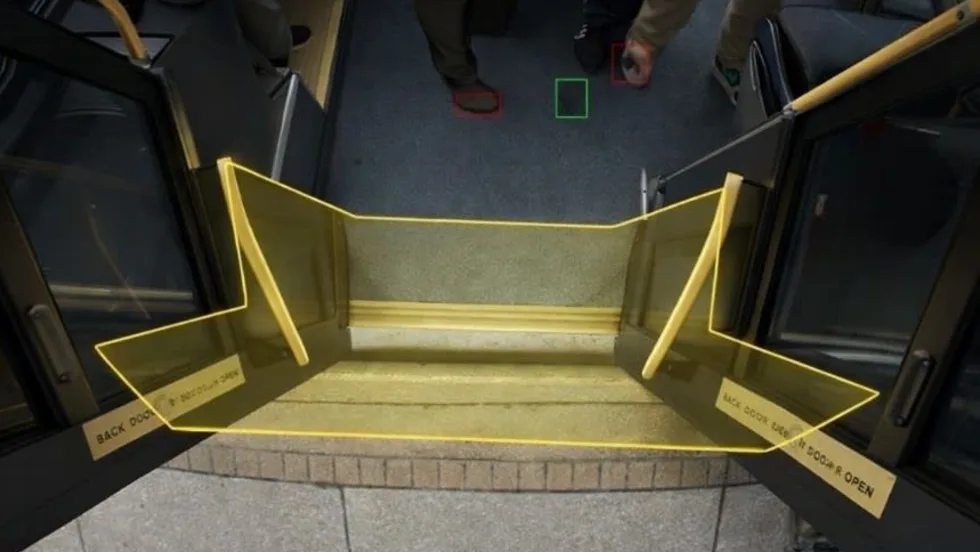
How VaporVision Adds Value to Transit Door Systems
Wabtec engineers explain how the system improves doorway detection, strengthens diagnostics and gives transit agencies and OEMs greater operating flexibility.
Read More →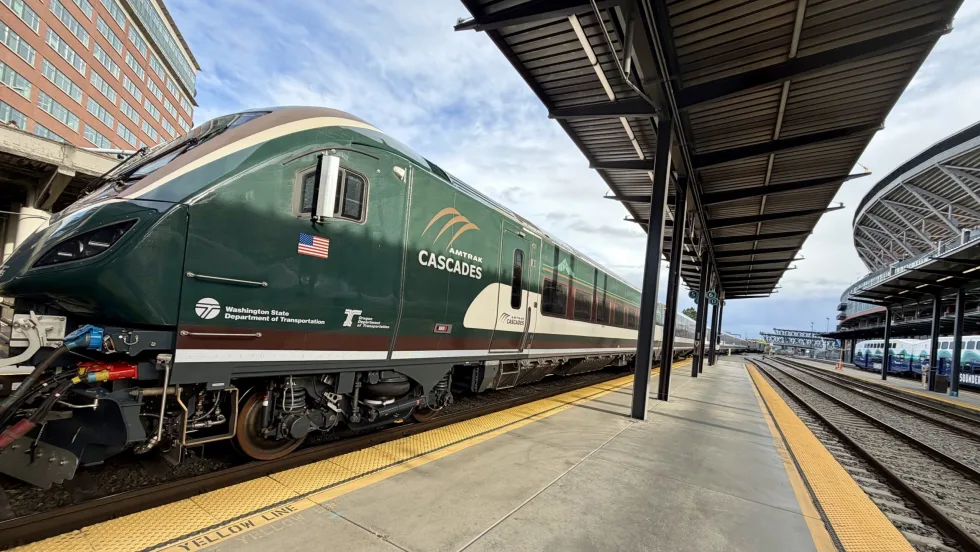
FRA Announces $5.3B in Rail Investments, Including $2B for Amtrak
Funding will support grade-crossing improvements, infrastructure upgrades, and new Amtrak equipment in 23 states.
Read More →
Chicago, Maryland Expand Non-Law-Enforcement Safety, Rider Support
The CTA and MTA are launching new programs aimed at de-escalation, crisis response, rider assistance, and greater transparency.
Read More →
LA Metro, City of West Hollywood, and Partners Advance Smarter Bus Lane Enforcement
The award-winning partnership combines AI-powered detection with human oversight to improve bus reliability, accessibility, and enforcement efficiency.
Read More →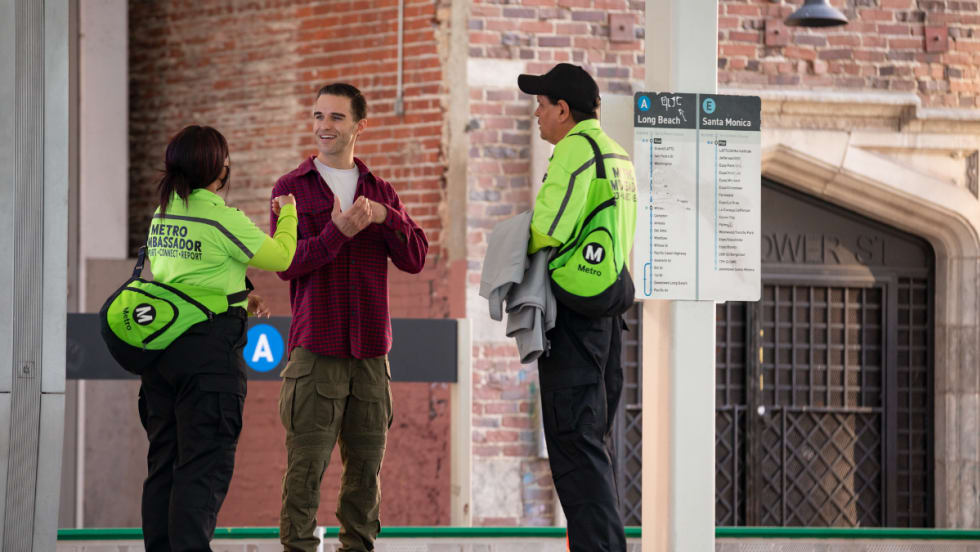
LA Metro Reports 57% Decline in Homelessness on Transit System Since 2024
The agency's latest homelessness count offers new data on how care-based services and cross-sector partnerships can complement traditional transit security strategies.
Read More →
FTA Launches 'Transit Moves America' Dashboard to Highlight Agency Safety and Performance
The online dashboard transforms National Transit Database information into a public-facing resource that allows users to compare transit agencies on key operational and safety metrics.
Read More →