



Manage Risk...or Risk Big Losses
Plaintiff attorneys understand the benefits to be reaped from injury claims against motorcoach and bus operators. It's up to motorcoach operators to implement and maintain policies that help eliminate unnecessary risk.
Some motorcoach operators do all they can to manage their risks, and yet things still fall apart. Others take it for granted, and losses never occur. Perhaps it’s all about luck. Perhaps not. The bottom line is that every motorcoach operator must make managing risk a big priority. Casualties and accidents, whether large or small, can mean a windfall for attorneys and their clients. Like vampires, attorneys seek the jugular vein and comb a company’s operational records for proof of negligence, be it hiring practices or overall operations methods. It’s up to motorcoach operators to protect themselves. Cases in point Careful hiring practices, meaning thorough screening and background checks to ensure a crop of well-trained and qualified drivers, are a given. But many operators stumble in this area. Inevitably, this oversight, poor judgment of character or simple failure to follow up returns to bite operators on the backside. In 2000, a California judge ruled in favor of plaintiffs in a case in which an unqualified and untrained driver panicked when his minibus caught fire due to faulty wiring. The driver couldn’t engage the emergency brake and, instead of conducting an emergency evacuation, allowed passengers to leap from the front exit, side windows and emergency exits. Approximately 20 plaintiffs suffered moderate to serious injuries. Upon investigation, it was discovered that the driver also was in violation of hours-of-service regulations, an easily avoidable risk that cost the driver’s company millions of dollars. Currently, drivers must adhere to a 10-hour driving limit. Driver fatigue is common but mostly inexcusable. “Fatigue contributes to the poor decision-making experienced in crashes,” says Robert Crescenzo, vice president for Lancer Insurance. “Our most expensive, horrific crashes are often related to fatigue. That’s a risk that can be managed through scheduling and good use of a driver’s time and vehicle.” Tailgating, which can lead to rear-end crashes, is another risk that can be managed. “Rear-end collisions are the No. 1 problem in bus, truck and almost every other kind of transportation,” says Jack Burkert, a safety consultant for the bus industry. “Following too closely means you don’t have the time and space to react properly.” Rear-end collisions are usually preventable and are almost always at-fault accidents. “You always want a minimum of four, but up to six, seconds of space between your coach and the vehicle ahead of you,” says Crescenzo. “That has to be put into context with traffic, weather and road conditions.” Moreover, drivers need to create and adjust space while on the road. They should also expect other commuters to jump into that created space. Responsible passenger care It’s also crucial that drivers give utmost consideration to loading and unloading areas. Several lawsuits have been filed and won by plaintiffs alleging gross negligence with stop placement, or what some term as passive unloading. In a 1999 California case, judges ruled in favor of the plaintiff when a bus driver discharged her several feet from the curb. The passenger sustained injuries after tripping and falling when she couldn’t step onto the curb. “The passenger should not have to step into the street before alighting on the curb,” says Crescenzo. Drivers must make sure that the vehicle is level with the ground and that it is stopped with the emergency brake applied before allowing passengers to disembark. More risky business Not only must there be concern for where and how passengers are dropped off, but also for what is happening on the bus. Passenger management is yet another issue that can cost motorcoach operators millions in judgments or settlements. “The driver is in a very difficult spot,” says Burkert. “First of all, he is supposed to drive the bus. He can’t manage the passengers and handle certain kinds of things while driving. He needs to make sure that he sorts these things out so that he doesn’t take lightly his responsibilities for safe driving.” In a New Jersey case, a driver operated his bus without a working two-way radio. Aboard the bus, an argument over a passenger’s radio with the volume turned too loud ensued and escalated into a fistfight, which ended in gunfire. One person died from gunshot wounds, and five others were wounded. The driver watched the entire incident unfold and failed to summon help. Jurors, of course, decided in favor of the plaintiffs. Had the driver’s radio been working, he could have contacted dispatch for back up and prevented the passenger’s death as well as any harm to the other passengers. Had he intervened, there is the possibility that the driver himself could have become a casualty. It’s a tough call. “Drivers need to be trained in good communication skills and how to interact with all types of passengers with all types of needs,” says Crescenzo. “However, they have to be authorized to stop the vehicle, call the police and get the assistance they need if a passenger is that unruly.” Dealing with a crisis In any volatile situation, the driver’s response is critical. “Unruly passengers are a very difficult issue for drivers because passengers are customers and you want to be sure in your approach to things,” says Burkert. “At some level it becomes a matter for the police, not the driver, to attend to. There’s a line that gets crossed when the safety of the individual or others is jeopardized; the problem is no longer passenger management, but criminal activity.” Drug and alcohol abuse, although not as common or frequent as other driver violations, still surfaces as the cause of many bus accidents. In a 1996 Pennsylvania case, a paratransit contractor unknowingly hired a driver with a criminal record for driving under the influence of alcohol. The plaintiff was severely injured when the driver struck another vehicle traveling in the same direction, jumped the median and crashed into several other cars traveling in the opposite direction. A post-accident toxicology scan found excessive levels of alcohol, cocaine and marijuana in the driver’s urine. Cases such as this occasionally pop up in newspapers but coach operators tend to have some control with this particular risk factor. Still, coach operators remain vigilant over their drivers and must maintain testing procedures, screenings and background checks for new hires. The bottom line The entire aspect of risk management should be integrated into every aspect of the business, says Crescenzo. “As long as the company has a risk evaluation component and reviews all of [its] policies and procedures, then [it] greatly reduce the amount of risk for [its] company and drivers.” Most operators do a reasonably good job of managing risk, says Burkert. They recognize the necessity of having control systems in place. “There are operators that are better at it than others and there are those that are more sophisticated than others,” Burkert says. “But even the smallest of companies has a recognition of the requirement to operate safely or they will not have a business in the future.”
More Management
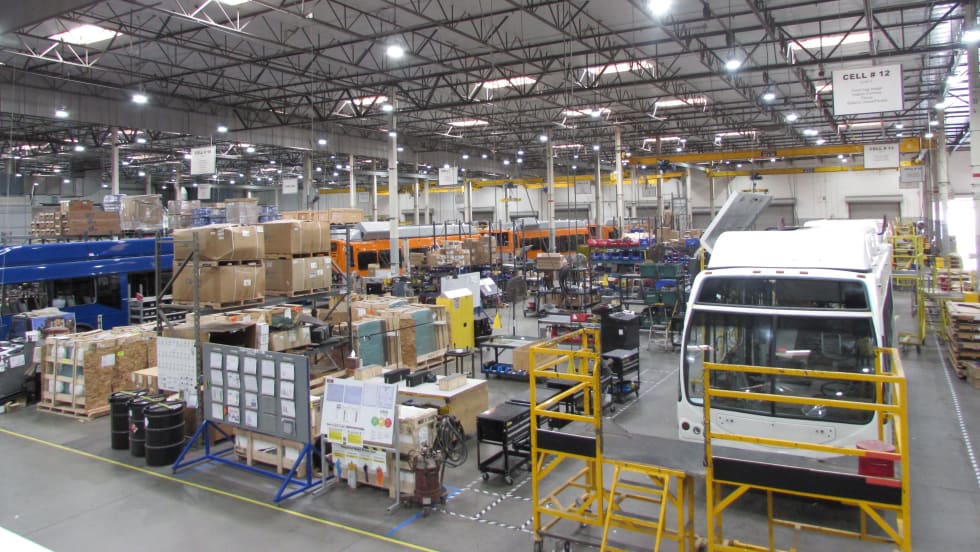
LA Metro Board Awards 220 Battery-Electric Bus Contract to ENC
The contract, which is the largest base award of battery-electric buses by a U.S. transit agency, will be built in Southern California, sustaining good jobs as LA prepares to welcome the world in 2028
Read More →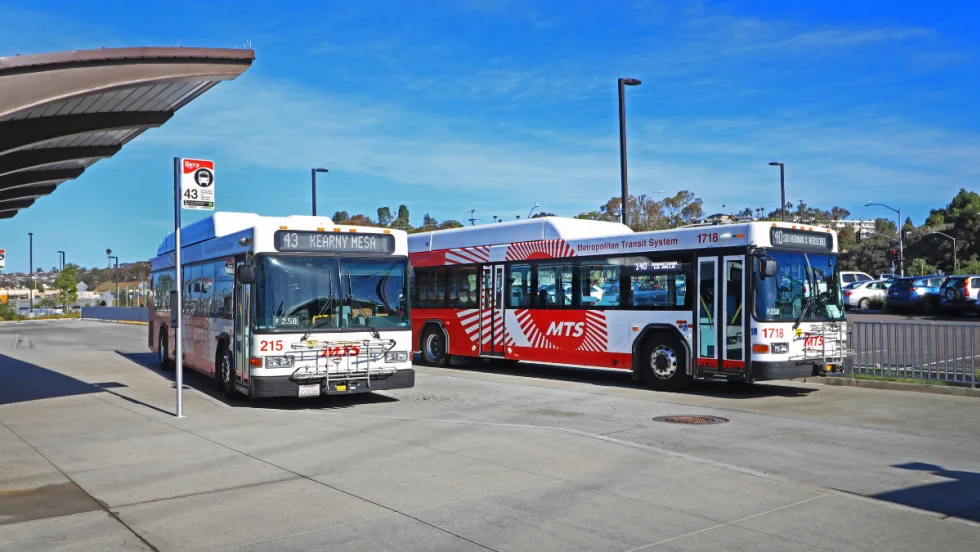
What’s Behind San Diego MTS’s Award-Winning Transit Strategy
Named one of APTA’s 2026 Outstanding Public Transportation Systems with 50 million or more annual passenger trips, California’s San Diego Metropolitan Transit System points to gains in ridership, safety, technology, and reliability as foundations of its success.
Read More →
Public Transit Conference Returning to GFX in 2027, Call for Papers Now Open
The Call for Papers is now open, allowing transit agency professionals and industry experts to help shape the PTC educational program by submitting session ideas for consideration.
Read More →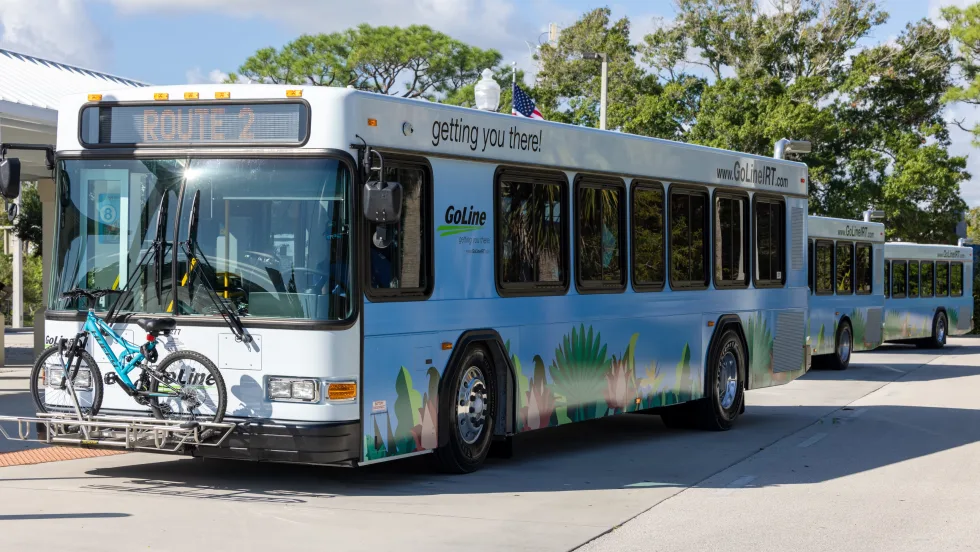
Indian River Transit’s Community-Focused Approach Earns National Recognition
Named APTA’s 2026 Outstanding Public Transportation System in its size category, Florida’s Indian River County transit system continues to grow ridership through fare-free service and a focus on evolving community needs.
Read More →
ENC Lands MATA Contract and More in Biz Briefs
In this edition of Biz Briefs, we spotlight the latest developments shaping the future of mobility.
Read More →
From Surviving to Thriving: Building Stronger Transportation Organizations
Bus Business Consultants founder Brian Dickson shares lessons on leadership, organizational health, and creating options for long-term success in a changing transportation industry.
Read More →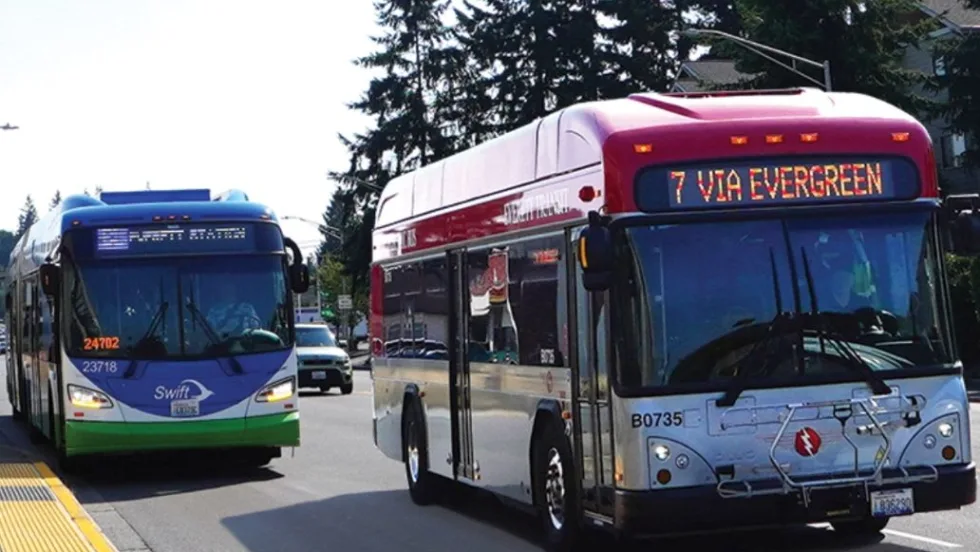
Everett Transit, Community Transit Outline Consolidation Agreement
The proposed agreement calls for a 50% increase in bus service in Everett, a new microtransit zone, continued paratransit service, and the transfer of Everett Transit operations to Community Transit.
Read More →
Strada360’s Steve Lassey on Turning Transit Data Into Better Decisions
From breaking down data silos to preparing for AI, Strada360 CEO Steve Lassey discusses how transit agencies can use technology to improve operations, customer information, and long-term decision-making.
Read More →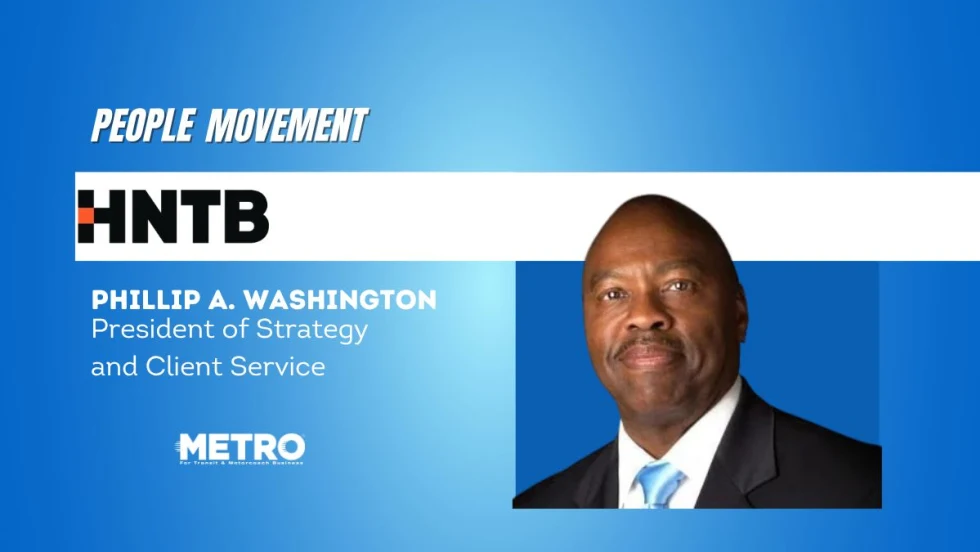
People Movement: Phil Washington Joins HNTB, Denver RTD Launches CEO Search, and More
In this edition, we also spotlight recent personnel moves at STV, the Eno Center for Transportation, and more, highlighting the people taking on new roles across the transportation industry.
Read More →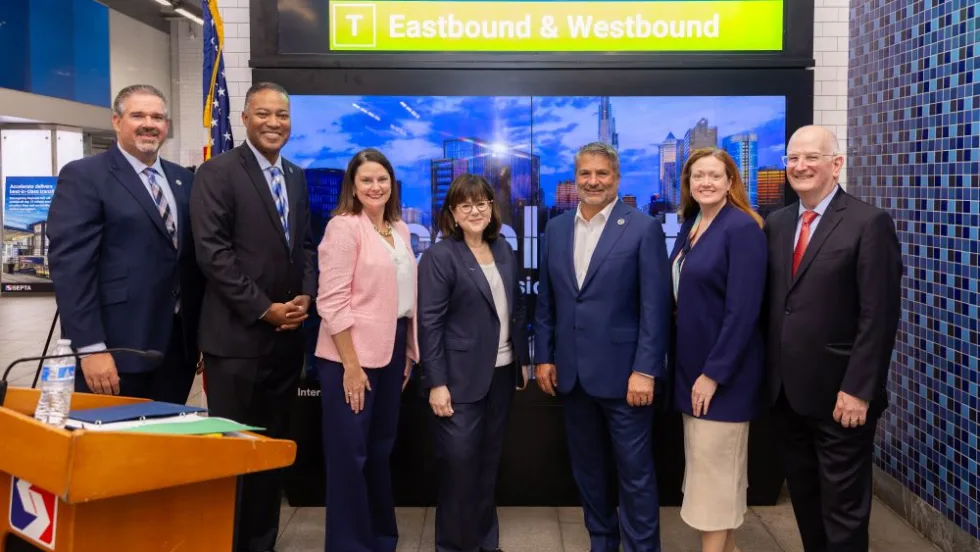
SEPTA Details Accelerate Vision for Transit System
The plan outlines investments in trolley modernization, new Metro and Regional Rail vehicles, accessible stations, and more frequent bus and rail service.
Read More →