



Motorcoach leaders discuss current industry hurdles
ABA's Peter Pantuso, UMA's Stacy Tetschner, and IMG's Bronwyn Wilson discuss driver shortage and more.
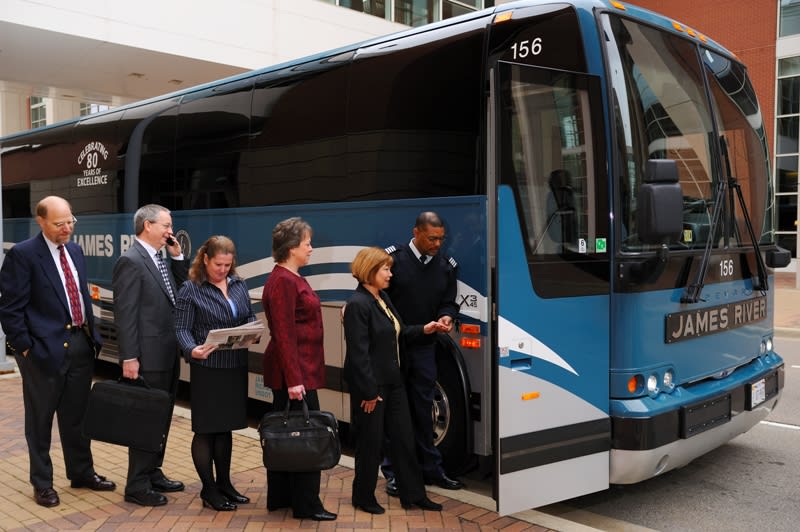
Photo Courtesy James River Transportation
Photo Courtesy James River Transportation
With hiring and retaining drivers and escalating costs being some of the top challenges faced by motorcoach operators these days, industry associations and operator networks play an essential role in working with their members to provide guidance and best practices on how to manage those hurdles.
We spoke with motorcoach industry leaders — ABA President/CEO Peter Pantuso, UMA President/CEO Stacy Tetschner, and IMG President Bronwyn Wilson — to get their insight on the most pressing issues faced by operators and what is being done to help.
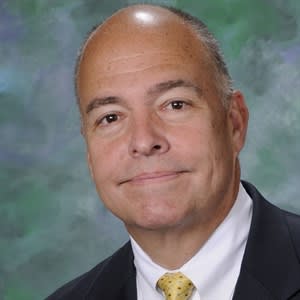
Peter Pantuso
What are two of the most pressing issues facing the motorcoach industry?
Peter Pantuso: The most pressing issues are certainly driver issues, with the second but equally important being the changing industry. We have seen some companies leave the market abruptly and others have sold or are for sale. This creates some uncertainty in the marketplace. We have also seen the addition of technology companies entering the industry posing as bus/motorcoach companies and existing businesses are trying to better understand how to compete with them based on a new business model. Not to say that all of these changes are good or bad, but that they definitely are changing the industry.
How is the ABA helping members deal with these issues?
ABA is making certain our members are aware of what is happening in the market. We are not able to help them change their respective business operations, but we can help facilitate a dialogue. This is one of the reasons we have partnered with the Busworld Academy to be part of our 2020 convention in Omaha. The Academy looks at the industry, globally, from the changes in technology that advance autonomous technologies to the requirements in cities that will ban diesel vehicles by 2025 and beyond. Being able to look at the industry globally, and at the 30,000 foot level, will better prepare our members in North America for what may eventually be the norm around the world, and not the exception.
Looking back at 2018, what has had a positive impact on business for operators?
I believe that any and all technologies that enhance safety or better connect the operator to their customers provide significant value to the industry. This can include ELDs, which help to level the playing field and ensure that all operators are following the Hours of Service rules and it can include apps that make it easier for the customer to reserve seats, track the bus, and more.

Stacy Tetschner
What are two of the most pressing issues facing the motorcoach industry?
Stacy Tetschner: We are a year into the Electronic Logging Device (ELD) mandate and many operators are now going through compliance reviews for the first time using data from their ELDs. This is new technology and new territory and many are not sure how the age-old process of compliance reviews will change with the new technology and data.
Infrastructure financing and how it will be paid for over the coming years is a huge issue for the industry. Whether we are talking about costs to update/repair highways or to update/repair National Parks, these all have an effect on our charter and tour operators. The costs that are being discussed and will be implemented in the coming months and years have to be factored into business planning and cost structures for our industry to survive.
How is the UMA helping its members cope?
At UMA we have been having discussions with a number of our operator members that have already experienced their first compliance review and we are getting insights and lessons learned from them that we can then share with our members. We are anxious about this process. In December, UMA hosted a series of town meetings held via Zoom video chats. We brought in operators who have already gone through these reviews, as well as an FMCSA representative that conducted the reviews. These provided a safe environment to ask questions, learn lessons, and prepare our members for their first compliance review with data pulled from their ELDs.
UMA continues to remain extremely active in our legislative and regulatory efforts on behalf of the industry and our members. With so many discussions on infrastructure, our staff team and our lobbyist keep representatives active in the discussions, and where we can head off extra fees we do that. And, if we have to take a secondary position on implementation, we do that. Whenever we can partner with other groups in the industry, we also do that to ensure we are all speaking with one voice. Most recently, we have been involved in discussion with the National Park Service and implementation of Commercial Use Authorization (CUA) fees, as well as entrance fees. We have been actively engaged with all groups in the tour and charter industry to lobby against inappropriate fees, clarification on ease of processes to use the parks, and clarifying who has to pay a fee, when, so that all parties involved can price their tours and services appropriately.
Looking back at 2018, what has had a positive impact on business for operators?
2018 was a year that teed up a lot of change for our industry. We saw the successful launch of electronic logging devices over the last year — even with a few technology hiccups, we have seen the industry embrace a standardized technology. Additionally, it has opened minds to other technologies that can streamline operations and processes that in the past took human resources and time, which are precious commodities. Conversations on autonomous vehicles have also reached new levels, and we saw the first driverless 12-passenger buses launching on private roads in multiple states. I anticipate we will see this technology standardize and provide additional opportunities in our industry in the future. Technology for battery-operated vehicles has also improved over the last year and is starting to gain momentum in the bus and motorcoach industry.

Bronwyn Wilson
What are two of the most pressing issues facing the motorcoach industry?
Bronwyn Wilson: The driver shortage remains a major concern in many parts of the country, often we hear that there is room to grow a business but lack of drivers is hindering growth. There is also a lot of discussion/concern regarding ELDs and functionality.
How is the IMG helping its members cope?
With driver shortage, it is continually sharing amongst our member companies successful ways to find drivers from more “non-traditional” outreach; with respect to ELD’s continue to facilitate discussion among members with FMCSA engagement and create brand specific “user groups” to really drill down to issues, which can be the technology/functionality and/or proper training.
Looking back at 2018, what has had a positive impact on business for operators?
It has been an interesting year — as the economy is doing well, so too it seems are the operators. Certainly a lot of technology companies becoming more prevalent in the sales distribution, such as crowdsourcing, and that provides new opportunities and maybe some challenges. Motorcoaches continue to become more technologically advanced, which enhances the safety for our customers, on the other side, our mechanics and drivers need to learn and understand them.
More Motorcoach

METRO Opens Submissions for 2026 Motorcoach Awards
Nominations are now being accepted for METRO Magazine’s Operator of the Year and Innovative Operator of the Year awards.
Read More →
Biz Briefs: Alstom Lands Canadian Contract, LYT to Supply California TSP, and More
In METRO's latest installment, we take a look at recent news from Complete Coach Works, Beep, FlixBus, and more partnerships making headlines across the transportation sector.
Read More →
Biz Briefs: RIPTA Unveils New Frontrunners, Clevland RTA Adds New Siemens, and More
In METRO's latest installment, we take a look at recent news from Siemens, Prevost, Dodge, and more partnerships making headlines across the transportation sector.
Read More →
People Movement: Holly Arnold Joins Transdev and More
In this edition, we also cover recent appointments and announcements at Pace, CamTran, MCI, and more, showcasing the individuals helping to shape the future of transportation.
Read More →
ABA Report: Motorcoach Travel Generates $161.6B Economic Impact
The 2025 analysis finds motorcoach travel supported nearly 900,000 jobs and generated $28 billion in federal, state, and local taxes.
Read More →
CharterUP’s Armir Harris on Technology, AI, and the Future of Group Mobility
In a recent episode of METROspectives, CharterUP Founder/CEO Armir Harris discussed the company’s evolution from an online charter bus marketplace into a technology platform supporting public- and private-sector mobility and much more.
Read More →
People Movement: ABC Names John Walsh as Chief Commercial Officer
In this edition, METRO also covers recent appointments and announcements at the DART, STV, and more, showcasing the individuals helping to shape the future of transportation.
Read More →
From Surviving to Thriving: Building Stronger Transportation Organizations
Bus Business Consultants founder Brian Dickson shares lessons on leadership, organizational health, and creating options for long-term success in a changing transportation industry.
Read More →
Biz Briefs: Luminator Marks Milestone and More
From manufacturers and suppliers to transit agencies and motorcoach operators, these updates offer a snapshot of the projects, partnerships and business moves driving the industry forward.
Read More →
ABAF Study Reveals Growing Insurance Crisis for Motorcoach Operators
Preliminary findings show 98% of operators faced premium increases over the past five years, while shrinking insurer participation is putting added pressure on businesses and customers.
Read More →