



How Motorcoach Operators Can Prepare for a Private Equity Sale
Essential strategies to strengthen your business before entering a private equity transaction.
Private equity interest in the motorcoach industry has surged in recent years, as operators with stronger financials and growth potential become attractive acquisition targets.
METRO
- Motorcoach operators should focus on streamlining operations and improving financial performance to make their business more attractive to private equity investors.
- It's crucial for operators to develop a strong management team and robust governance structures to enhance organizational effectiveness.
- Conducting thorough due diligence and understanding market trends can help operators position their business strategically before engaging with potential buyers.
*Summarized by AI
Private equity (PE) interest in the motorcoach sector has increased meaningfully over the past 24 months as the industry has rebounded from the severe impact of COVID-19.
The pandemic accelerated consolidation, with many smaller, undercapitalized operators exiting the market. As a result, surviving operators have emerged with stronger competitive positioning, optimized cost structures, and improved pricing discipline. The combination of reduced competition, leaner operating models, and higher charter rates has enhanced the sector’s investment appeal.
Our team at Harmony Succession Partners (HSP) has seen a noticeable increase in acquisition activity across North America, particularly among motorcoach operators generating annual profits of $1 million to $10 million. The demographic trends are clear: many mid-sized motorcoach businesses, owned by aging operators, lack a clear internal succession plan. The North American motorcoach market is ripe for consolidation, and PE can play an important role in this generational transition.
The term “private equity” covers a wide range of investors. Not all PE firms operate the same way. One of the biggest challenges we see when meeting prospective sellers is a misunderstanding of what it is actually like to work with a PE buyer. Many owners rely on assumptions or second-hand stories rather than firsthand experience.
Understanding how PE firms think, invest, and make decisions is an important first step before considering a sale.
So, What Is Private Equity?
PE is the business of raising money from investors to acquire businesses and generating a target return. Generally, their investors commit capital for 10 years, expecting to generate a target annual return of 20% to 30%.
It generally takes three to five years to invest all the money raised, so most PE investors have a five- to seven-year window to hold and operate these investments before needing to sell again and return the capital to investors. A combination of investor cash, seller financing, and debt finances the acquisitions they make. The amount of debt varies widely by PE firm risk appetite, ranging from 50 to 75% of the total purchase price.
The motorcoach sector is seen as a mature industry with growth in the low single digits, so most PE buyers see an opportunity to pursue a roll-up strategy, whereby they purchase multiple companies and consolidate them, with the vision of selling a larger motorcoach group to an existing national player.
Generally, PE first acquires a larger “platform” company. This acts as the foundation, with a strong management team and strong operating systems, to begin acquiring and integrating smaller companies. These smaller companies are called “bolt-on” acquisitions and aim to either consolidate existing market share or access new geographies or customer verticals, adding to the platform.
To be considered a platform company, you need to generate at least $7 million in annual EBITDA (earnings before interest, taxes, depreciation, and amortization). Platform companies typically receive higher valuation multiples than bolt-on acquisitions. That’s because the platform carries the leadership team and systems needed to scale. PE firms then aim to acquire bolt-ons at lower valuation multiples, thereby reducing the overall blended purchase price across the entire group.
For example, if a platform of $10M in EBITDA was bought for 6x — meaning a $60 million valuation — and over the next few years, another $10MM in EBITDA was added through the purchase of six smaller acquisitions at an average EBITDA valuation of 3.5x, the total price paid for $20M in EBITDA would be equivalent to only 4.75x. This is called “buying down” the multiple over time, and it is a big driver behind why PE can generate such high returns.
Generally, a roll-up strategy aims to make five to 10 acquisitions over a few short years to quickly add scale to its platform and double or triple the group's profits before selling. When things go well, the outcome can be quite profitable and exciting for all involved, but doing business with PE usually means operating with a certain level of debt on the books at any one time.
Selling to Private Equity vs. Selling to a Competitor
Selling to a PE firm is different than selling to another motorcoach operator. There are clear pros and cons.
Pro #1. PE firms are serious and experienced buyers
They buy companies for a living. They know how to review financials, move quickly, and make clear offers. While a local competitor may have never bought a business before, PE firms typically run a more structured, predictable process.
Pro #2. They bring growth capital
PE firms are not looking to keep your business the same. They want to grow it. That often means access to capital for fleet purchases, acquisitions, or new systems. If your company has strong growth opportunities but needs funding, PE can be a good partner.
Pro #3. They back management teams
Most PE firms are not operators. They invest in strong management teams and expect them to run the business. If you have a strong leadership team in place and their career progression is top of mind, PE ownership can be empowering, allowing management to continue leading rather than replacing the existing team.
Con #1. They operate on a timeline
PE firms typically plan to hold a business for five to seven years. Their goal is to grow the company and sell it again. If the business faces a downturn or another COVID-like event, there can be pressure to maintain performance. That shorter time horizon can sometimes create tension with owners, employees, or customers who think more long-term.
Con #2. Higher Level of Scrutiny and Reporting
Private equity firms require significant information — both before and after a deal closes. During due diligence, the process is thorough and can feel more intense than selling to a strategic buyer. After closing, PE owners typically expect detailed monthly or quarterly financial and operational reports. They rely on timely, accurate data to track performance and make decisions. If your systems and internal processes are not strong enough, it can kill a potential transaction or make operating under private equity ownership very challenging.
Con #3. Debt & Equity Reinvestment Are Usually Part of the Deal
Unlike selling to a competitor, which can sometimes provide a cleaner exit, PE transactions often require the owner to reinvest a portion of the proceeds back into the business. This “rollover equity” keeps management financially invested and aligned with the new ownership group. In addition, most acquisitions, whether by PE or a competitor, involve debt financing. However, PE firms are often comfortable using higher levels of leverage. That means a larger share of the company’s future cash flow may go toward loan repayments, potentially increasing financial pressure.
Motorcoach operators considering a sale to private equity must be prepared for rigorous due diligence, including detailed financial reporting and operational data.
METRO
Understanding Roles & Responsibilities
One of the biggest questions owners ask is: What does private equity actually do? PE firms are professional investors, not operators. They focus on buying, financing, and eventually selling companies. In most cases, they either hire a CEO or rely on you and your existing management team to run the business. A common misconception is that owners can step back after a PE sale.
In reality, PE firms expect management to lean in and push harder. They bring capital and a strong desire to grow, but they depend on the leadership team to execute the plan. We often sit down with clients before selling a business and have an honest discussion around, “Are you PE ready?”, meaning does your team have the energy and capability to partner with a growth investor?
So, what do they actually do? Think of private equity as a very active board member. They provide structure, oversight, and strategic guidance. They help with budgeting, major hiring decisions, capital investments, and special projects such as implementing new systems or building a sales team. They also lead financing efforts and acquisitions, working with banks and identifying new growth opportunities.
In short, PE provides capital and strategic direction, but the day-to-day operation remains with management.
Private Equity Due Diligence Process
Once you have an offer from a PE buyer, their due diligence process can be very intensive, and you need to be prepared. There are several key areas they focus on more intensely than other buyers:
- Financial & Operational Data – One of the most common reasons deals fall through with PE buyers is the information gap. This means the buyer expects a certain level of financial and operational detail. If the business is unable to provide it accurately and on time, the buyer loses confidence in the story. Before considering selling to a private equity firm, you must have strong accounting records going back at least five years, including accurate monthly and divisional P&Ls, gross margins by service line/customers, and detailed operational data around utilization rates and fleet reliability. PE buyers will likely contract an outside accounting firm to complete a quality of earnings (Q of E), which is an independent audit of your financials. The more detailed and accurate your reporting is, the more comfortable a private equity buyer will be.
- Key Staff – PE will usually not step into day-to-day operations, so they are focused on the strength of your management team. Are key staff empowered to make decisions around hiring/firing, new customer sales, pricing, and daily oversight? Are they data-driven and able to deal with PE owners that demand these types of operational metrics? Tenure is another key question: are your key executives close to retirement age, or do they have a solid five to 10 years left in their careers to work harder and partner with PE? If key staff are close to retirement age or unwilling to lean in, a buyer will likely see increased transition risk and be less excited.
- Cost & Capacity for Future Growth – Private equity buyers invest with growth in mind. One of their biggest questions is simple: can this business scale effectively? They will assess whether your current fleet, office team, mechanics, and property can support additional growth. Is there room to add more coaches? Can the shop handle more maintenance? Is there space in the yard, or is the operation already at full capacity? The more room you have to grow without major new investment, the more attractive your business becomes. Before engaging with prospective buyers, sellers should consult their advisors to prepare a five-year financial plan. This should outline projected revenue growth and the capital required to support it, including fleet expansion, facility upgrades, and staffing needs. Lower future capital expenditures usually lead to stronger cash flow, which can drive a higher valuation.
- Future Acquisition Pipeline – Growth through acquisition is a big driver of investment returns for a PE buyer. Even before they close on your deal, they are already thinking about “who else can I buy to add to your business?” Developing an acquisition pipeline and positioning the opportunity for further growth are key steps to attracting a prospective buyer. Are there other companies in your region that would strategically add to your business in a meaningful way? Have you had any preliminary conversations with the owners of those businesses to gauge their approximate revenue and interest in selling? If you can pre-empt this work and prepare a list of potential acquisition candidates for a PE buyer, it can meaningfully support your discussions and help secure a higher valuation for your business’s sale.

Private equity firms often invest in motorcoach companies as part of a broader growth strategy, combining acquisitions and operational improvements to scale the business.
MCI
What Are PE’s Biggest Concerns About Investing in the Motorcoach Sector?
After speaking with many PE firms that have considered the motorcoach industry, a few common concerns keep coming up. If you are thinking about selling to a financial buyer, it helps to understand what they are worried about.
- Future Growth – The motorcoach industry is often viewed as mature rather than high-growth. PE buyers want a clear plan that shows how they can increase the company’s value. That might include improving operations, making acquisitions, or securing growth capital to expand into new markets. The clearer your growth story, the more likely a PE buyer will be interested.
- Future Exit – PE firms don’t plan to own a company forever. Most invest for five to seven years and then sell. A big concern for them, even before closing a transaction, is: who will buy this business from us in the future? If the pool of future buyers is small, investors may worry they won’t be able to exit at an attractive price. Having a realistic, well-defined exit plan gives them confidence and can make the difference between moving forward and walking away.
- Capital Investment – Motorcoach companies require ongoing capital investments in the fleet. That can make some PE firms nervous. For example, a business might generate $5 million in annual profit. But if it must reinvest $2 million each year to maintain and replace coaches, the true cash return is only $3 million. PE buyers focus heavily on this “real” cash flow. Companies with newer fleets and strong maintenance programs will be more attractive.
So, Is PE Good or Bad?
In recent years, there has been a stigma associated with PE, as news articles have highlighted companies that have struggled under PE ownership.
Does that make PE a bad buyer? No, however, the type of PE you sell to and the circumstances of your deal will greatly influence how successful that partnership will be. Firstly, there are over 10,000 PE funds in North America, with many more groups calling themselves a “fund.” The reality is you need to pick the right group, and often the highest price does not translate to the best buyer. Don’t be afraid to invest time getting to know the people you may be partnering with. Have multiple dinners. Ask direct questions. Speak with owners who have purchased businesses in the past — the personal fit matters. Chemistry and trust are critical to making a partnership successful.
Secondly, you want to ensure the deal makes sense for both parties.
The reality is that most PE firms seek returns on investment similar to those of other firms. Hence, the key reason one fund may be willing to pay more than another is that they are seeking to finance the deal with more debt or that they have higher growth expectations, which creates less room for error and greater pressure to deliver on growth at all costs. This is why you hear stories of PE cutting costs aggressively, firing staff, and deferring investment. If the business is unable to deliver the growth it originally expected, it has to look inward to generate the returns its investors expect.
Communicating openly about projections over a three- to five-year period can ensure that both the buyer and seller see the world the same way. In contrast, misalignment is the first step towards PE turning from your friend to a foe.
About the Author: Robert Bezede is a Partner at Harmony Succession Partners (HSP), a middle-market investment bank specializing in motorcoach mergers and acquisitions (M&A). HSP focuses on working with private, family-owned businesses, assisting with pre-sale readiness and executing M&A transactions. This article was authored and edited following Metro editorial standards and style. Opinions expressed may not reflect those of Metro.
Quick Answers
The initial steps include conducting a thorough assessment of your business operations and financial standing to identify areas needing improvement or optimization.
*Summarized by AI
More Motorcoach

From Surviving to Thriving: Building Stronger Transportation Organizations
Bus Business Consultants founder Brian Dickson shares lessons on leadership, organizational health, and creating options for long-term success in a changing transportation industry.
Read More →
Report: Canadian Motorcoach Industry Generates $4.4B in Economic Impact
The 2025 Motorcoach Economic Impact Report finds motorcoach travel supported nearly 25,000 jobs and generated $980 million in federal, provincial, and local taxes.
Read More →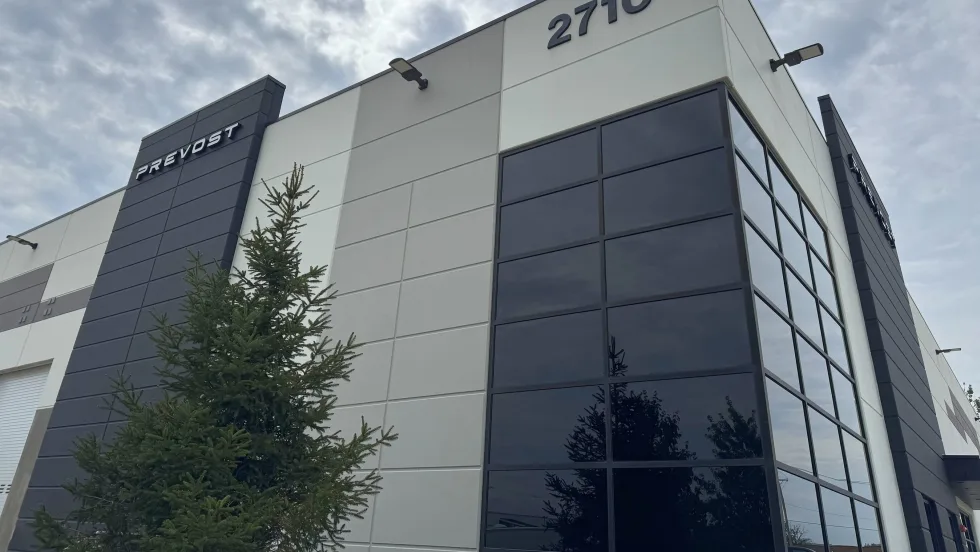
Prevost Opens Expanded Chicago-Area Service Center
The $8.1 million Elk Grove Village investment nearly triples facility space while adding service capacity, parts storage, and customer amenities.
Read More →
People Movement: Dan Dipert Coaches Adds Third-Generation Leader, Keolis Names New Valley Metro VP/GM, and More
In this edition, we also cover recent appointments and announcements at the Wabtec, SilverRide, HNTB, and more, showcasing the individuals helping to shape the future of transportation.
Read More →
METRO Opens Submissions for 2026 Motorcoach Awards
Nominations are now being accepted for METRO Magazine’s Operator of the Year and Innovative Operator of the Year awards.
Read More →
Biz Briefs: Alstom Lands Canadian Contract, LYT to Supply California TSP, and More
In METRO's latest installment, we take a look at recent news from Complete Coach Works, Beep, FlixBus, and more partnerships making headlines across the transportation sector.
Read More →
Biz Briefs: RIPTA Unveils New Frontrunners, Clevland RTA Adds New Siemens, and More
In METRO's latest installment, we take a look at recent news from Siemens, Prevost, Dodge, and more partnerships making headlines across the transportation sector.
Read More →
People Movement: Holly Arnold Joins Transdev and More
In this edition, we also cover recent appointments and announcements at Pace, CamTran, MCI, and more, showcasing the individuals helping to shape the future of transportation.
Read More →
ABA Report: Motorcoach Travel Generates $161.6B Economic Impact
The 2025 analysis finds motorcoach travel supported nearly 900,000 jobs and generated $28 billion in federal, state, and local taxes.
Read More →
CharterUP’s Armir Harris on Technology, AI, and the Future of Group Mobility
In a recent episode of METROspectives, CharterUP Founder/CEO Armir Harris discussed the company’s evolution from an online charter bus marketplace into a technology platform supporting public- and private-sector mobility and much more.
Read More →