



Motorcoach Top 50 Report Sunny Outlook
Once again, FirstGroup America takes the top spot with 9,175 vehicles. The financial picture brightened substantially in 2010, with business up across the board by nearly 10 percent and financing hurdles easing up.

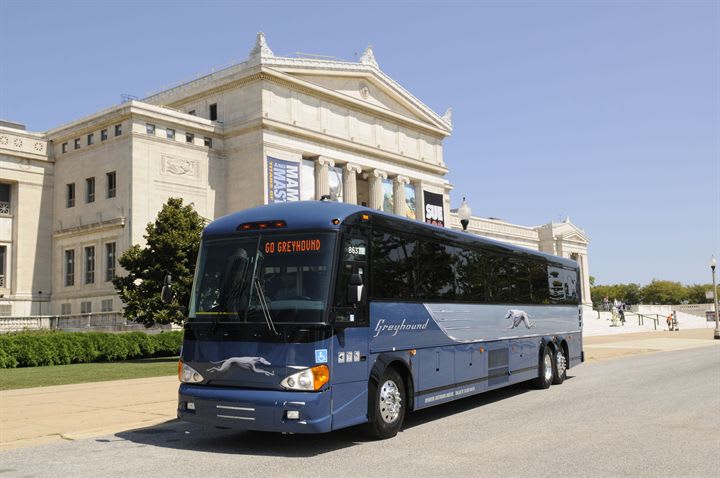
First Group America, which provides Greyhound services, tops 2010's Motorcoach Top 50.
[IMAGE]MET1Sup-MCI-2.jpg[/IMAGE]Compared to 2009, this past year was significantly better for METRO's Top 50 operators. Nearly one-half, 42 percent, said business was up in 2010 — at an average of 9 percent — where 2009 showed that only eight percent of motorcoach carriers surveyed had a bump in business. Twenty percent of operators reported that business was down, at an average of about 7 percent, an improvement from 2009's two-thirds figure. Another 20 percent said that business had remained the same.
Many more actions were taken to offset costs in 2010, according to our survey. These included the typical, with rate increases at 52 percent and fuel surcharges at 36 percent. Staff downsizing decreased only slightly from 2009's 30 percent, coming in at 26 percent. Operators also reported several other attempts at budget-cutting, including refurbishing older vehicles instead of buying replacements, reducing vehicle road speed, fuel hedging and downsizing fleets.
Efforts to increase business had obtaining school contracts and government contracts neck-and-neck at 46 percent each. One-fifth of respondents said they diversified into limousine and paratransit and 10 percent formed co-ops with other providers. Additional efforts cited primarily included stepped-up sports marketing, at 10 percent; meeting competitors' prices; using student tour operators and expanding onboard amenities.
As usual, word of mouth trumped all other reported marketing methods, at 36 percent, with the Internet trailing behind at 28 percent. However, Internet use appears to be increasing gradually, with word of mouth decreasing: 2009's numbers had word of mouth at 50 percent and the Internet at 22 percent. Print ads saw a slight jump from 2009, with 6 percent of carriers saying that this marketing effort works out best for them. Use of the Yellow Pages and radio and TV ads continued a downward trend, coming in at less than 2 percent. Other effective marketing outlets listed by surveyed operators included phone and in-person sales calls and community involvement.
The most popular innovation shared was installing Wi-Fi on coaches, with 34 percent of operators saying they added the technology to some or all of the vehicles in their fleet. Use of social media, including Facebook, Twitter and YouTube, held steady at 8 percent. More operators said that they are making vehicle tracking, real-time arrival info texting programs, and online booking and seat selection available to customers than in previous years.
Slightly more than one-third of carriers surveyed cited pricing as their biggest challenge. Issues ranged from dealing with competitors who "low-ball their rates" to increased customer sensitivity to price. Other concerns weighing on respondents were juggling several different services and meeting government regulations.
On the bright side, vehicle financing became much easier to obtain over the course of 2010 for many operators, who said earlier in the year that banks had tightened their grip on lending. Nearly one-half of the carriers surveyed got financing with favorable interest rates, without encountering any hurdles. Still, slightly more than one-fifth of operators reported more difficulty in getting financed than in the past. "The banks are putting more restrictions into the agreements and, in some cases, not willing to do business," one operator wrote.
Rankings
The average fleet size is 150, excluding Dallas-based FirstGroup America, which dwarfs all other fleets in size, at 9,175 coach and non-motorcoach vehicles. The median fleet size is 72.
Forty-five carriers are looking to purchase new vehicles this year, reflecting a better financial outlook. Nearly three-quarters of operators are planning to buy coaches with seat belts. Anticipated acquisitions include 257 new vehicles and 79 used vehicles, up significantly from the numbers reported in 2009.
As with 2009, FirstGroup America held the number one spot among surveyed operators, and Coach USA, again, weighed in second, at 1,717 vehicles.
To view 2010's Top 50, click here.
More Motorcoach

People Movement: Dan Dipert Coaches Adds Third-Generation Leader, Keolis Names New Valley Metro VP/GM, and More
In this edition, we also cover recent appointments and announcements at the Wabtec, SilverRide, HNTB, and more, showcasing the individuals helping to shape the future of transportation.
Read More →
METRO Opens Submissions for 2026 Motorcoach Awards
Nominations are now being accepted for METRO Magazine’s Operator of the Year and Innovative Operator of the Year awards.
Read More →
Biz Briefs: Alstom Lands Canadian Contract, LYT to Supply California TSP, and More
In METRO's latest installment, we take a look at recent news from Complete Coach Works, Beep, FlixBus, and more partnerships making headlines across the transportation sector.
Read More →
Biz Briefs: RIPTA Unveils New Frontrunners, Clevland RTA Adds New Siemens, and More
In METRO's latest installment, we take a look at recent news from Siemens, Prevost, Dodge, and more partnerships making headlines across the transportation sector.
Read More →
People Movement: Holly Arnold Joins Transdev and More
In this edition, we also cover recent appointments and announcements at Pace, CamTran, MCI, and more, showcasing the individuals helping to shape the future of transportation.
Read More →
ABA Report: Motorcoach Travel Generates $161.6B Economic Impact
The 2025 analysis finds motorcoach travel supported nearly 900,000 jobs and generated $28 billion in federal, state, and local taxes.
Read More →
CharterUP’s Armir Harris on Technology, AI, and the Future of Group Mobility
In a recent episode of METROspectives, CharterUP Founder/CEO Armir Harris discussed the company’s evolution from an online charter bus marketplace into a technology platform supporting public- and private-sector mobility and much more.
Read More →
People Movement: ABC Names John Walsh as Chief Commercial Officer
In this edition, METRO also covers recent appointments and announcements at the DART, STV, and more, showcasing the individuals helping to shape the future of transportation.
Read More →
From Surviving to Thriving: Building Stronger Transportation Organizations
Bus Business Consultants founder Brian Dickson shares lessons on leadership, organizational health, and creating options for long-term success in a changing transportation industry.
Read More →
Biz Briefs: Luminator Marks Milestone and More
From manufacturers and suppliers to transit agencies and motorcoach operators, these updates offer a snapshot of the projects, partnerships and business moves driving the industry forward.
Read More →