



National strategy plan addresses protection of rail and bus lines
The report is a step toward fulfilling the missions identified in the president’s National Strategy for Homeland Security.

In February, the Bush Administration released the National Strategy for the Physical Protection of Critical Infrastructures and Key Assets. The report is a step toward fulfilling the missions identified in the president’s National Strategy for Homeland Security. Every mode of transportation — via air, land, or sea — is thoroughly addressed, with each section discussing specific problem areas that require individual assessments. “As we work to implement this strategy, it is important to remember that protection of our critical infrastructures and key assets is a shared responsibility,” said President Bush in the opening pages of the strategy. “Accordingly, the success of our protective efforts will require close cooperation between government and the private sector at all levels. The terrorist enemy that we face is highly determined, patient and adaptive.” The transportation sector is a vital component to the function of the nation’s economy and security. Transportation is also convenient, allowing for easy access and reliability in the daily lives of Americans. However, such dependability between citizens and companies leaves the infrastructure vulnerable to incidents that may cause crippling domino effects on other industries that rely on it. Working with the Department of Homeland Security (DHS), the U.S. Department of Transportation (DOT) will use the report’s information as a guideline to better securing the nation’s various modes of transport. Covering specific concerns, particularly those involving railway systems and transit, the DHS and DOT have several initiatives to alleviate the challenges each mode faces. An assessment on the railway systems, for example, found the greatest risk to lie in the movement of hazardous materials. Close coordination would be required between the industry and the government in the decision-making process. Also, a sector-wide information-sharing process is needed to prevent over-reactive security measures. The initiatives dealing with passenger rail and railroads are to: 1) improve decision-making criteria regarding the shipment of hazardous materials; 2) create technologies and procedures to ensure more efficient screening of intermodal containers and passenger baggage; 3) improve security of intermodal transportation; and 4) outline roles and responsibilities regarding surge requirements. On the other hand, the bus industry requires a different approach. In the event of a terrorist attack, trains can be confined to specific routes that would render them less of a threat, but the bus infrastructure is more pervasive in size and reach. Identifying and securing critical choke points (e.g., bridges, tunnels and border crossings) is the main focus. In order to achieve that, a common guideline must be established to measure choke-point weak spots. To protect highways, trucking and busing, the initiatives include efforts to: 1) facilitate comprehensive risk, threat and vulnerability assessments; 2) use guidelines and standard criteria for identifying and mitigating choke points; 3) use improved technology to toughen the industry infrastructure; and 4) create educational and awareness programs for national transportation operator security. Transit involves a slightly different approach since what is being transported is people and not packages. What makes this industry so difficult to monitor is that transit systems were designed to be open and easily accessible to the public. Since systems vary greatly and uniquely from city to city, no one security program will be able to serve each one identically and thoroughly. The initiatives specific to transit are to: 1) identify critical planning areas and develop the appropriate guidelines and standards; 2) develop an overall protective architecture for transit systems and implement security enhancements; and 3) assemble cross-sector working groups to manage specific risks stemming from interdependencies.
More Management
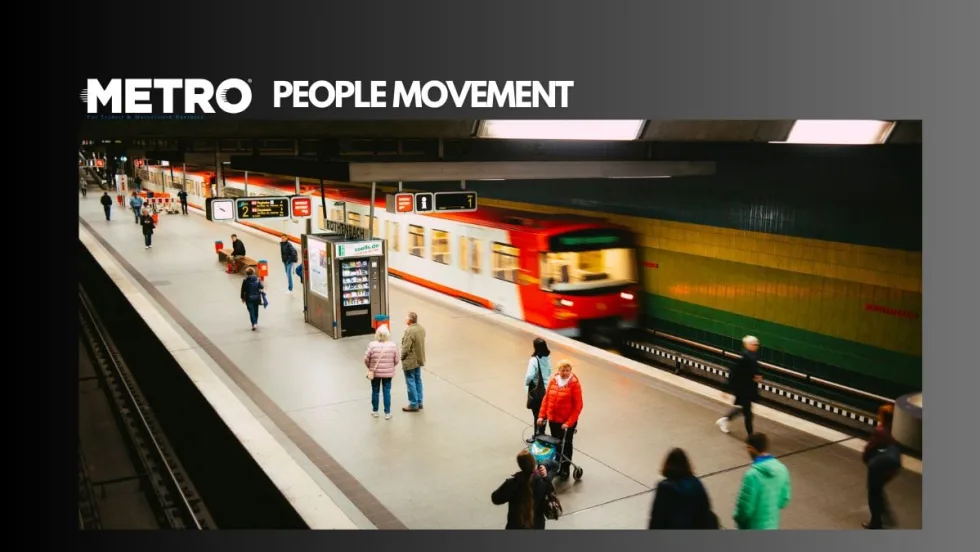
People Movement: Connectpoint Expands Leadership Team, Stadler Names New Group CEO, and More
In this edition, we also spotlight recent personnel moves at Burns, UZURV, and more, highlighting the people taking on new roles across the transportation industry.
Read More →
More Than a Summer Job: Building the Next Generation of Transit Talent
The Delaware River Port Authority and PATCO have transformed their internship program into a hands-on professional development experience that introduces students to the breadth of transportation careers — and creates a pipeline for future employees.
Read More →
LA Metro Board Awards 220 Battery-Electric Bus Contract to ENC
The contract, which is the largest base award of battery-electric buses by a U.S. transit agency, will be built in Southern California, sustaining good jobs as LA prepares to welcome the world in 2028
Read More →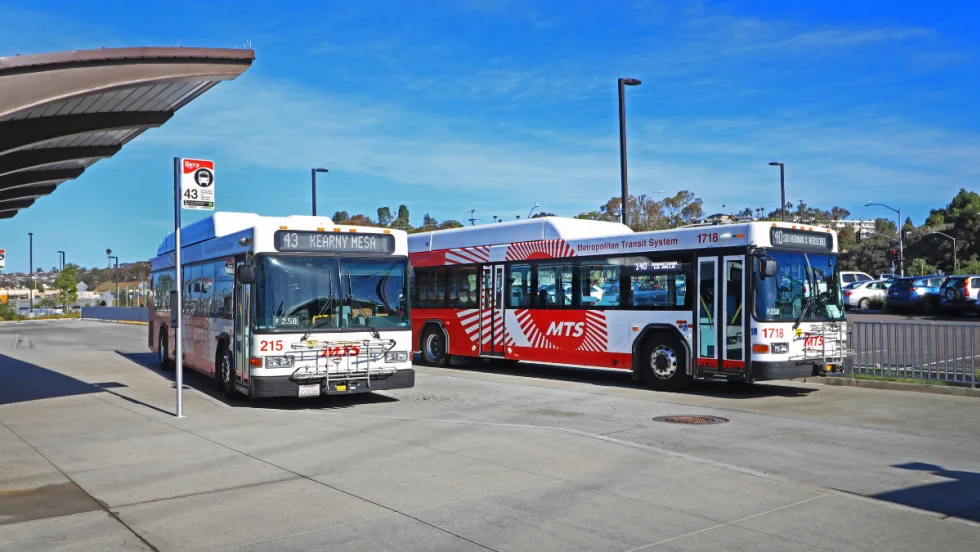
What’s Behind San Diego MTS’s Award-Winning Transit Strategy
Named one of APTA’s 2026 Outstanding Public Transportation Systems with 50 million or more annual passenger trips, California’s San Diego Metropolitan Transit System points to gains in ridership, safety, technology, and reliability as foundations of its success.
Read More →
Public Transit Conference Returning to GFX in 2027, Call for Papers Now Open
The Call for Papers is now open, allowing transit agency professionals and industry experts to help shape the PTC educational program by submitting session ideas for consideration.
Read More →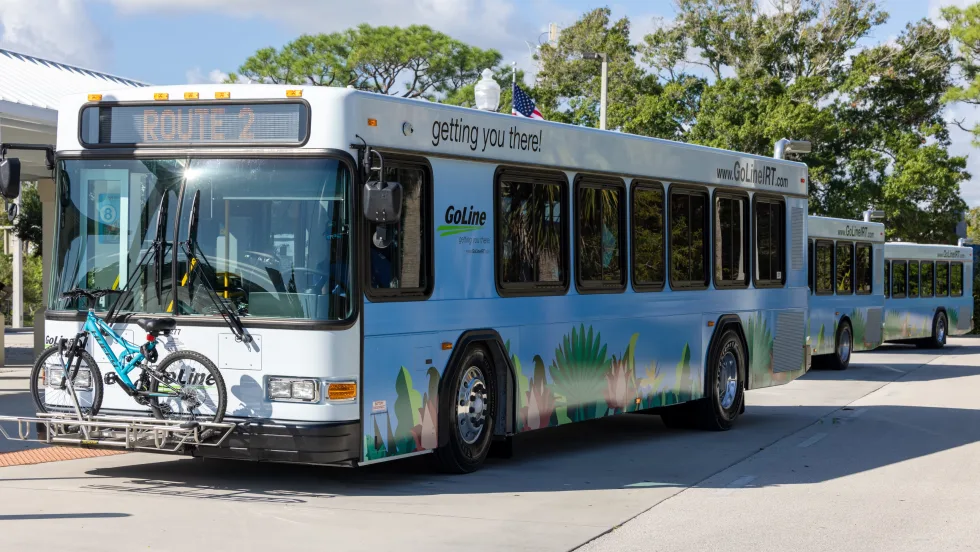
Indian River Transit’s Community-Focused Approach Earns National Recognition
Named APTA’s 2026 Outstanding Public Transportation System in its size category, Florida’s Indian River County transit system continues to grow ridership through fare-free service and a focus on evolving community needs.
Read More →
ENC Lands MATA Contract and More in Biz Briefs
In this edition of Biz Briefs, we spotlight the latest developments shaping the future of mobility.
Read More →
From Surviving to Thriving: Building Stronger Transportation Organizations
Bus Business Consultants founder Brian Dickson shares lessons on leadership, organizational health, and creating options for long-term success in a changing transportation industry.
Read More →
Everett Transit, Community Transit Outline Consolidation Agreement
The proposed agreement calls for a 50% increase in bus service in Everett, a new microtransit zone, continued paratransit service, and the transfer of Everett Transit operations to Community Transit.
Read More →
Strada360’s Steve Lassey on Turning Transit Data Into Better Decisions
From breaking down data silos to preparing for AI, Strada360 CEO Steve Lassey discusses how transit agencies can use technology to improve operations, customer information, and long-term decision-making.
Read More →