



Policy Expert Highlights BRT Advantages
What makes BRT projects stand out as a popular transit choice right now in the U.S., Art Guzzetti, VP, policy, American Public Transportation Association says, is its versatility.

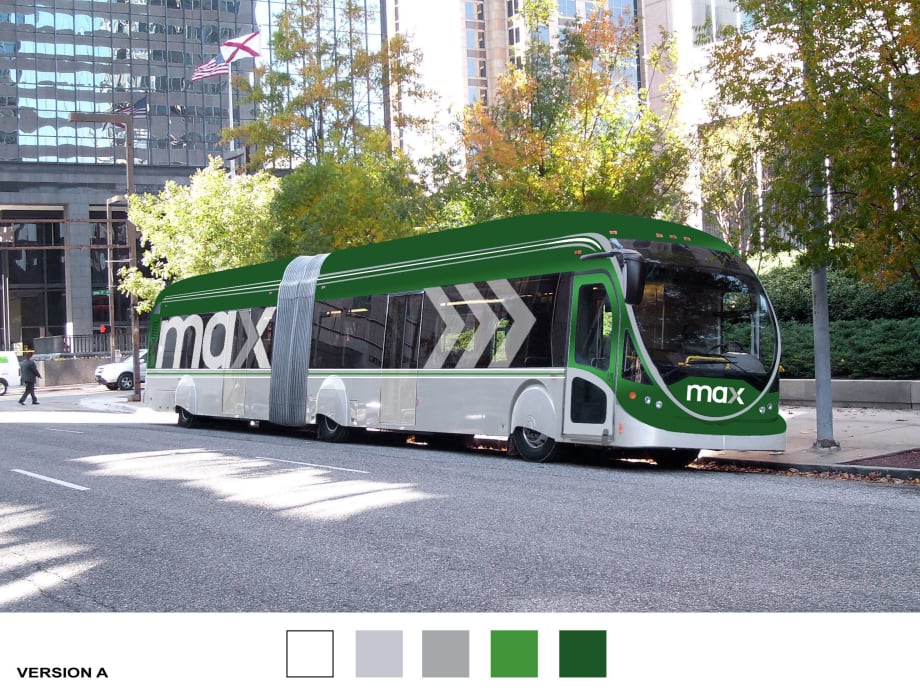

New projects, such as Chicago’s Jeffery Jump and VIA’s Primo in San Antonio, opened in 2012, signify a growing wave of enthusiasm for transit in mid-sized and large cities. What makes BRT projects stand out as a popular transit choice right now in the U.S., Art Guzzetti, VP, policy, American Public Transportation Association says, is its versatility.
BRT is flexible enough to be used to varying degrees to improve many different transit services.
“You have maybe 20 characteristics that could define BRT,” he explains. “Some prospects will include a good number of those and some just a few, but no matter how many you include, you’re still making the service in that corridor better.”
BRT provides a series of strategies that can help make buses move through a corridor faster so it serves passengers better, Guzzetti adds.
Planners can choose from a menu of service characteristics that meet the community best. One benefit of this is a continuum of project costs.
“You don’t necessarily have to do all of it to accomplish the goal of making the service better to attract additional riders,” Guzzetti says. “You can settle into a place that is affordable yet still a significant service improvement.”
On the downside, BRT planners will constantly be questioned, Guzzetti warns.
“When I worked in Pittsburgh and we built BRT, people were saying, ‘Why aren’t you building light rail?’ When we built light rail, people were saying, ‘Why aren’t you building BRT?’” he recalls. “You will have people with different perspectives, but there’s no wrong or right. You just make your best choice. In Pittsburgh, we had light rail in certain corridors, BRT in others. We made the right decisions for [each] corridor. You’re not choosing one over the other; you’re choosing a family of services that all connect into [one] system.”
Guzzetti stresses the need to conduct a planning study and get the community involved.
“When people go into a community and say, ‘We should build BRT here,’ that’s a conclusion. You don’t start with that; you end with that. The transit project is more than just mobility,” he says. “You’re talking about flexibility, the development impacts of those decisions and how it connects with other parts of the system, and if you build BRT, how to tie it into other services.”
More Bus
People Movement: Dan Dipert Coaches Adds Third-Generation Leader, Keolis Names New Valley Metro VP/GM, and More
In this edition, we also cover recent appointments and announcements at the Wabtec, SilverRide, HNTB, and more, showcasing the individuals helping to shape the future of transportation.
Read More →
New York MTA Plans Largest Bus Fleet Upgrade in More Than a Decade
The agency is seeking manufacturers for 650 new CNG buses to replace aging vehicles, improve reliability, and advance its broader fleet modernization strategy.
Read More →
Building a Flexible Path to Transit Electrification
John Hroncich discusses BAE Systems’ modular and scalable approach, lessons learned from decades of real-world operations, and how agencies can identify electrification strategies that fit their fleets.
Read More →
Bus Tech Talk: Keeping Transit Technicians Ahead of the Technology Curve
LA Metro’s Obed Mejia discusses technician training, evolving maintenance technology, fleet replacement, and strategies for getting the most out of today’s transit fleets.
Read More →
Biz Briefs: RIPTA Unveils New Frontrunners, Clevland RTA Adds New Siemens, and More
In METRO's latest installment, we take a look at recent news from Siemens, Prevost, Dodge, and more partnerships making headlines across the transportation sector.
Read More →
People Movement: Holly Arnold Joins Transdev and More
In this edition, we also cover recent appointments and announcements at Pace, CamTran, MCI, and more, showcasing the individuals helping to shape the future of transportation.
Read More →
The High Cost of Transit Buses: Industry Leaders Look to Procurement Reform
Transit leaders and policymakers examine how standardized bus designs, streamlined procurement, and predictable funding could help agencies stretch budgets and deliver better service.
Read More →
The Business Voice Behind Public Transportation
As chair of APTA’s Business Members Board of Governors, Ray Melleady explains how more than 850 business members are partnering with transit agencies to advance funding, innovation, and industry-wide collaboration.
Read More →
From Surviving to Thriving: Building Stronger Transportation Organizations
Bus Business Consultants founder Brian Dickson shares lessons on leadership, organizational health, and creating options for long-term success in a changing transportation industry.
Read More →
Finding the ‘Happy Medium’: Optimizing Maintenance Without Sacrificing Reliability
The key to maintenance optimization isn’t doing less work—it’s doing the right work at the right time on the right assets.
Read More →