A look at the latest offerings from a host of companies, including Camira, Chestnut Foam Ridge, Freedman Seating, and more.
by METRO Staff
January 27, 2020
DeLeo Transportation
2 min to read
DeLeo Transportation
DeLeo Transportation Fabrics De Leo Transportation Fabrics offers high-quality vinyls, flat wovens, and velvets for bus, motorcoach, and light rail fabrics to public and private transportation industries. Partnered with Epengle, Europe’s leading transportation fabric manufacturer, the combined companies have over 100 years of experience. De Leo offers polyester, acrylic, and wool-blend moquette velvet fabrics. www.deleotextiles.com
Camira Fabrics
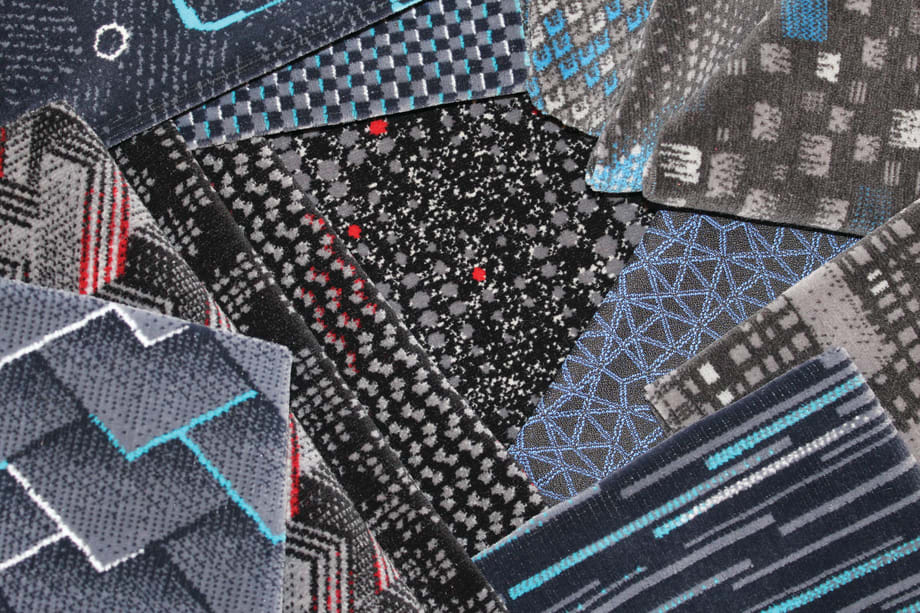
Camira Fabrics A revolutionary new textile capability from Camira, Hybrid combines the appearance of a flat woven fabric with the durability of a moquette. This refined textile is designed to withstand the demands of today’s transport world with its high-performance capabilities. A wire-woven wool fabric, Hybrid is robust, lightweight, and imbued with sustainable credentials. www.camirafabrics.com
Ad Loading...
Chestnut Ridge Foam
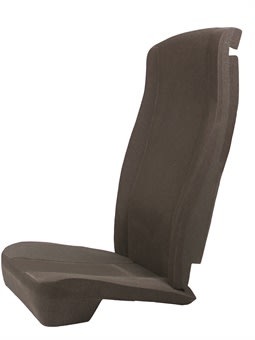
Chestnut Ridge Foam CR SAFGUARD® XL fire-resistant seat cushioning eliminates hazards associated with FMVSS 302 for bus seating applications. FMVSS 302 polyurethane burns profusely, emits huge volumes of toxic smoke, and hinders evacuation. When exposed to open flame, CR SAFGUARD® XL cushioning will not ignite, melt, or drip. It fully complies with FTA Docket 90-A fire safety criteria. Easily incorporated into vehicle specifications. www.crfoam.com
Sardo
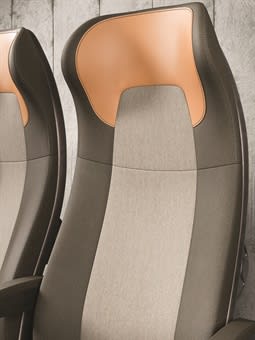
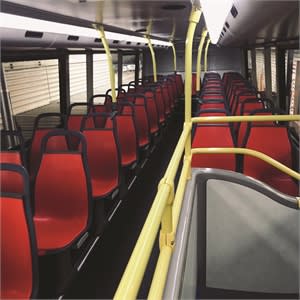
Sardo Bus & Coach Upholstery The patented Sardo quick-change seat insert, available in vinyl, fabric, and plastic options, provides fleet operators with superior replacement options at a fraction of the cost of updating transit bus seating. The passenger seat inserts provide added comfort and speed in maintenance servicing, without the use of screw or clip fasteners. www.sardobus.com
Now trending
Transportation upholstery trends according to Freedman Seating Co.'s Marketing Manager John-Paul Paonessa:
Priority Seating Vinyl Priority seating vinyl gives elderly riders, people who utilize mobility devices, and others needing additional consideration a clearly marked place to sit. Historically, agencies and private operators struggled to highlight the ADA and priority areas within a vehicle, especially when using vinyl upholstery. English, Spanish, and French translations promote a positive awareness that these seats and sections are reserved.
Flat Woven Fabrics Most recently, there has been a push toward flat woven fabrics in heavy-duty transit and other commercial bus markets. Flat woven fabric can be antimicrobial, antibacterial, and water-repellent. Made of 100% polyester with acrylic backing, these fabrics are ideal for retirement homes, senior centers, paratransit, hospitals, dial-a-rides, and more.

In this edition of Biz Briefs, we highlight the latest developments shaping the future of mobility — from manufacturers and technology providers to transit agencies and motorcoach service operators.
In this product roundup, METRO highlights transit software platforms designed to optimize scheduling; harness actionable data; and support flexible, on-demand operations.
A major goal of the pilot, which begins in April, is to test the speed, functionality, and durability of new handheld devices to scan Ventra and paper tickets.
Traditionally, bus lane enforcement has relied on manual processes carried out by transit police or parking enforcement officers. While it may be effective in certain municipalities, this approach is resource-intensive and very difficult to sustain.
A phased approach to technology, in-house capabilities, and workforce investment is helping transportation leaders break the reactive cycle and build more resilient, revenue-focused operations.
The landmark event empowers riders across six agencies in the Puget Sound region to tap-and-ride transit using a contactless credit or debit card or a mobile wallet.
Now in its latest edition, the awards recognize forward-thinking solutions that improve safety, operational efficiency, sustainability, rider experience, and overall system performance.