



Publisher's Perspective: Transit seeking ways to combat declining bus ridership
This past May, I discussed factors that may be contributing to a disturbing trend in recent years — declining bus patronage — and ways to combat it.
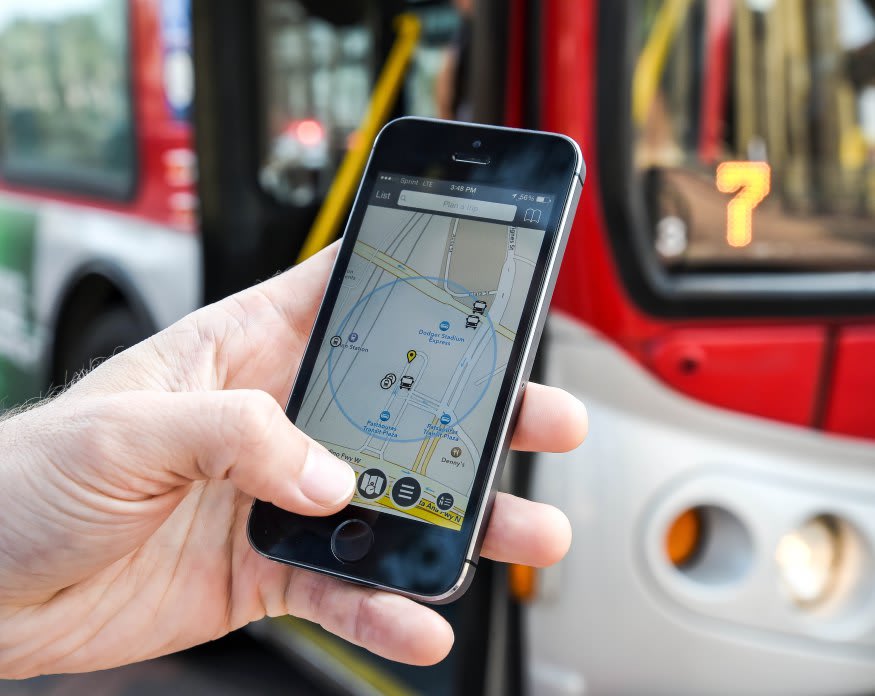
A growing number of transit agencies are taking these pages from the ride-sharing playbook, particularly for first/last mile connections to rapid transit. Other agencies have been partnering with the more famous services in this sector.
Photo courtesy LA Metro

This past May, I discussed factors that may be contributing to a disturbing trend in recent years — declining bus patronage — and ways to combat it. We know that it is not confined to bus operations, as some rail lines have also struggled. A few cities have bucked the trend, however, and we looked at how they might be transferred to others. Since then, a range of additional ideas have emerged, which also have shown some promise.
Reasons are more complicated than thought earlier
As was pointed out last spring, lack of funding accounts for the patronage drops in some cities (Chicago and Washington, for example). But in many, new studies suggest that transportation network companies such as Uber and Lyft are beginning to take a toll. Changing socioeconomic factors has also played a large role in many cities. For the first time in many decades, ridership trends have not tracked improvements in employment; in fact, in some cities, ridership has actually dropped as job growth improved.
The bus restructuring implementations have had mixed results as more data have come in. Put simply, some such projects have been found to cost considerably more than projected, while others have not worked as well as projected. More study obviously is needed, ones that are tailored to local situations.
Since the last column on the subject, a new idea has emerged called “microtransit.” It involves dynamic ride-sharing like Uber and Lyft, but with public transportation directly operating it with transit-qualified drivers and vehicles. A growing number of transit agencies are taking these pages from the ride-sharing playbook, particularly for first/last mile connections to rapid transit. Other agencies have been partnering with the more famous services in this sector. The most ambitious of the microtransit projects is Los Angeles County Metro’s tender for a feasibility study, which, if determined to be a good idea, will roll out in a pilot program at six rapid transit stations in the next few years. Whatever its outcome, however, it’s a development that bears watching.
Deal with the challenges — before hostile forces do it for us
As was stated before — and is worth repeating —the industry cannot abide fatalism. There are many ways to deal with the ridership challenge, old and new, and those hostile to any government support for transit succeed in ending it, because we did not rise to the new challenge.
More New Mobility

Biz Briefs: STV teams with Amtrak, Motorcoach Operators Boost Fleet and Land Contracts, and More
From manufacturers and suppliers to transit agencies and motorcoach operators, these updates offer a snapshot of the projects, partnerships and business moves driving the industry forward.
Read More →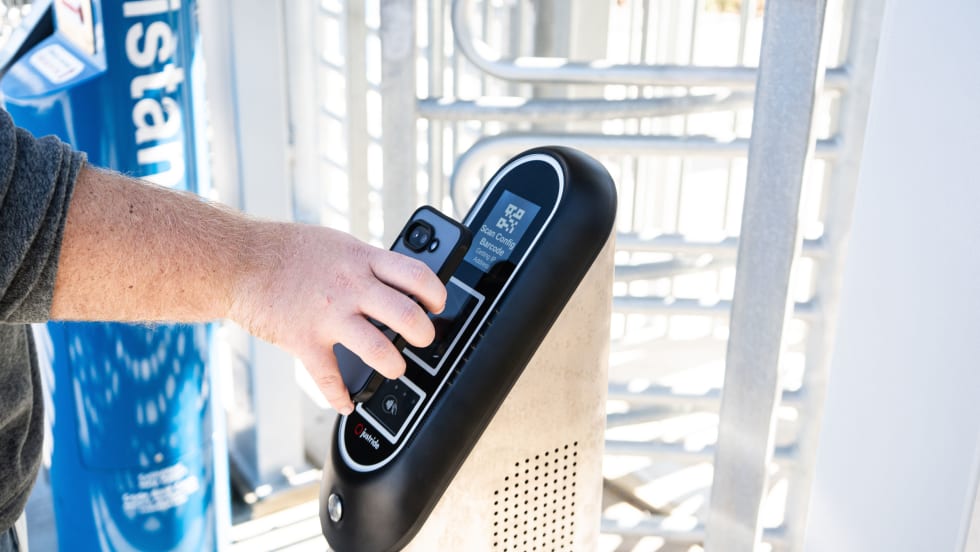
Biz Briefs: Masabi Teams with St. Louis Metro and More
In METRO's latest installment, we take a look at recent news from Transdev, Hitachi, and more partnerships making headlines across the transportation sector.
Read More →
Microtransit's Next Test: Becoming Part of the Network
Freebee shows how electric microtransit is moving beyond pilots to fill network gaps, connect riders to transit, and prove lasting value.
Read More →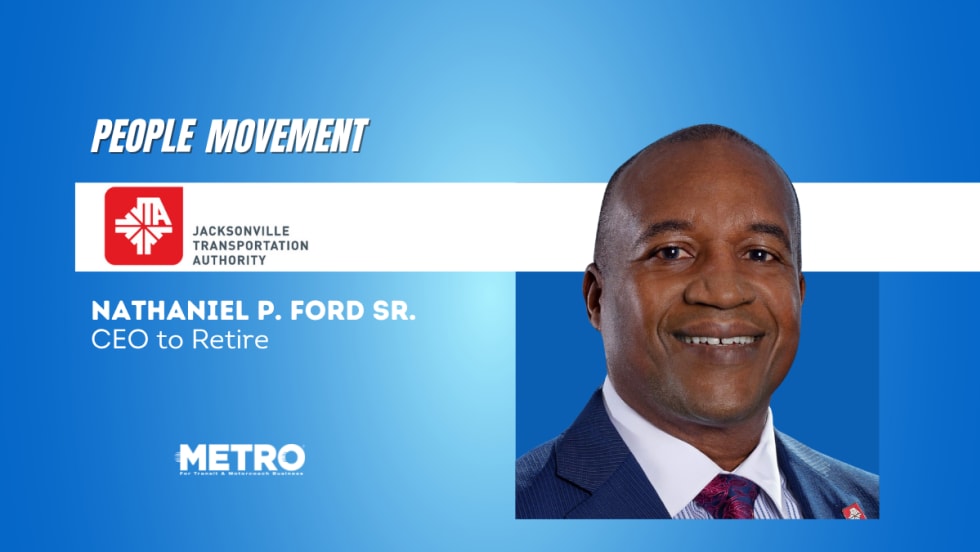
Ford to Leave JTA After More Than 10 Years as CEO
He plans to continue his work advancing innovative mobility solutions to improve the quality of life in communities across the nation. He did not announce specific plans.
Read More →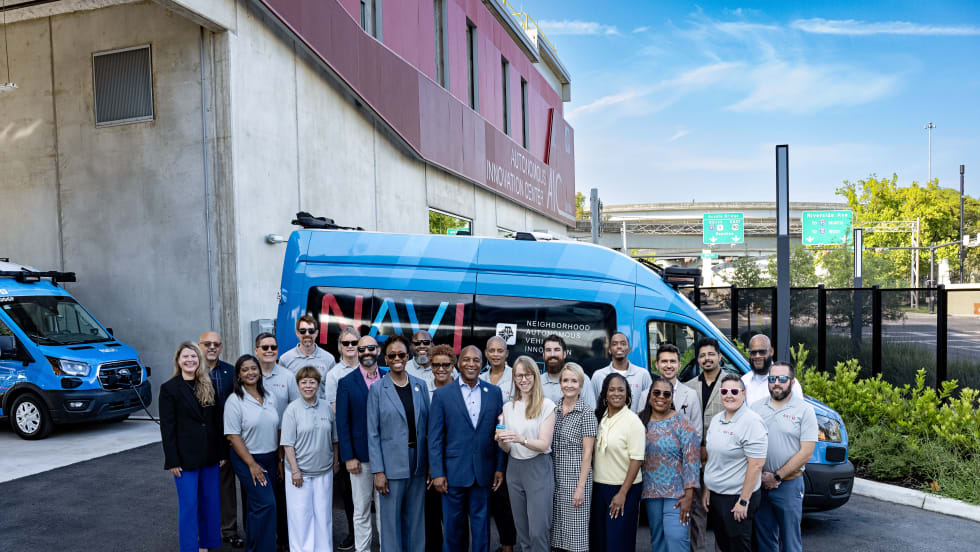
Florida's JTA Marks One Year NAVI Anniversary
During its first year of operation, NAVI has transported over 15,200 passengers and traveled more than 61,000 miles in autonomous mode without a safety incident caused by the autonomous driving system.
Read More →
SEPTA Board Approves FY2027 Budget Amid Funding Challenges
The spending plan represents an increase of just 1.9% over the current year and includes investments in new buses, additional full-length fare gates, and other customer enhancements.
Read More →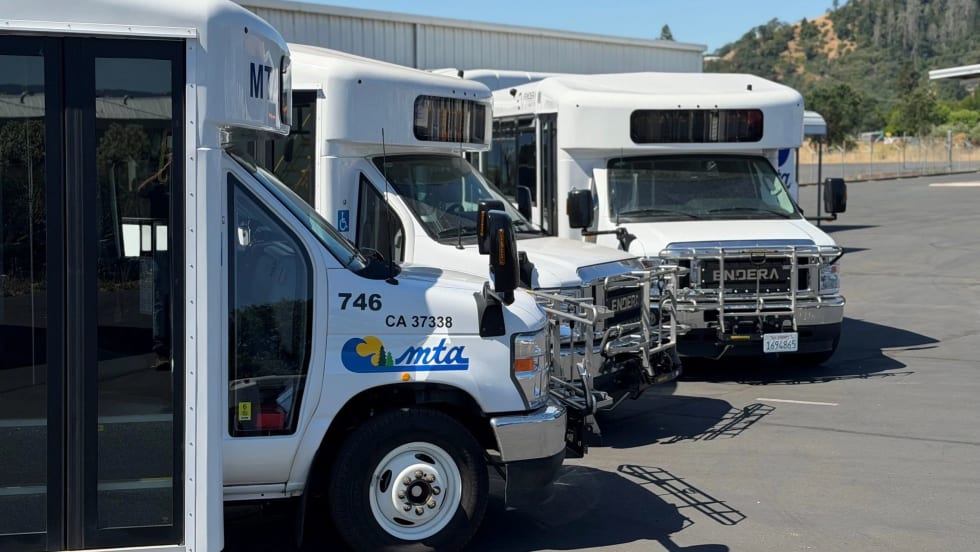
Biz Briefs: Endera Delivers to California, Safety Vision Teams with San Antonio's VIA, and More
From manufacturers and suppliers to transit agencies and motorcoach operators, these updates offer a snapshot of the projects, partnerships and business moves driving the industry forward.
Read More →
Modernizing Mobility with CharterUP CEO Armir Harris
From digital transformation to evolving customer demands, CharterUP's Armir Harris offers his perspective on the transportation industry's next chapter.
Read More →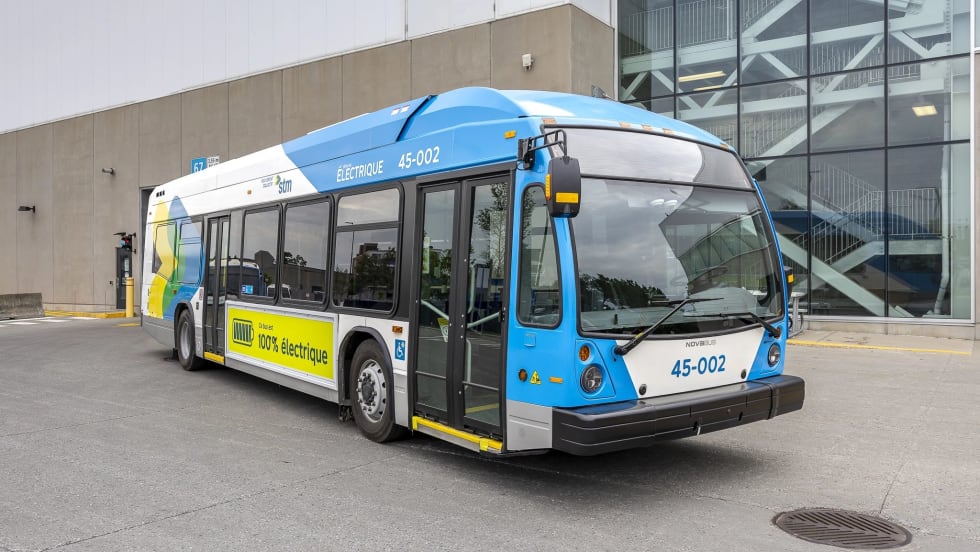
Biz Briefs: Montréal Debuts Nova Electric Buses and More
In this edition of Biz Briefs, we spotlight the latest developments shaping the future of mobility.
Read More →
6 Transit Management Lessons for Colleges and Universities Facing Seasonal Demand Swings
College transportation demand swings wildly throughout the year. Fleet strategies are starting to catch up.
Read More →