



Riding the wave
The motorcoach industry had plenty of success in 2006, now its time to capitalize on that momentum.
By all accounts, 2006 was a great year for the motorcoach industry. Demand for motorcoach service strengthened as Americans showed renewed confidence in traveling around the country. In addition, the fifth anniversary of the 9/11 terrorist attacks came and went without incident, putting more emotional distance between us and that fateful day.
This renewed confidence can be seen in this year’s Top 50 Motorcoach Operators survey. Nearly nine of 10 operators (88%) reported higher revenue during 2006 compared to the previous year. Anecdotal reports also suggest that business is strong and operators are gearing up for an even stronger 2007.
That’s encouraging news for all of us associated with the industry, including our friends in the manufacturing sector. The OEMs were hit hard by the drop-off in sales over the past several years, but their patience is being rewarded. According to our figures, unit sales topped 2,000 in 2005. That may not sound impressive, but the previous year it had hit a low of 1,650. Let’s hope the turnaround continues.
A few ideas for 2007
To fully capitalize on the travel momentum that’s been created over the past few years, I believe that motorcoach operators should consider the following strategies:
Keep pushing the technology envelope. Americans want to travel with as many conveniences as possible, such as accessories for laptop computers and Internet connectivity. Businesspeople, especially, want to be able to work while they travel. Upgrading your coaches to include these accessories makes sense in the long run.
Enhance your creature comforts. One of the big drawbacks to traveling by air is the discomfort. Unless you’re sitting in first class, you’re forced to squeeze into a seat that would make a sardine squirm. And when the guy in front of you tilts his seat back, his head is practically in your lap. That’s not good. If you can provide your customers with comfortable, roomy seats with decent leg room, you’re way ahead of the airlines.
Court the Baby Boomers. You’ve all heard that the leading edge of the Baby Boomer generation turned 60 last year. And you all know that seniors have traditionally been a strong demographic for the motorcoach industry. But what you might not know is that Baby Boomers are not inclined to follow their parents’ lead in that regard. You’ll need to put some effort in attracting this group, and the time to start is now. (For more information on how to attract Baby Boomers, see “Boomers and Buses” on pg. 20 in the January 2006 issue.)
Stay tuned to the Web. These days, most people use the Internet to research their travel options, whether it’s determining where to go, where to stay or how to get there. A large number also book their travel through the Internet. So, if your company doesn’t have a user-friendly Website that provides key information about your services as well as online booking, you’re missing out on potential sales. (For more information on how to ensure that your Website is up to snuff, see “10 Must-Have Web Features to Boost Tour and Charter Business” on pg. 76 in the Sept/Oct 2006 issue.)
Recruit for the long haul. Driver recruitment and retention was tabbed as the “greatest challenge” by 63% of respondents in this year’s Top 50 Motorcoach Operators survey. In a strong economy, it can be difficult to find good employees, especially drivers. That’s why it’s important to offer these people a career, not just a job. With the motorcoach business going strong, it’s not a good time to be short of drivers. (For more information on how to recruit and retain drivers, see “Undoing a Generation of Driver Shortages” on pg. 40 of the April 2006 issue.)
More Management
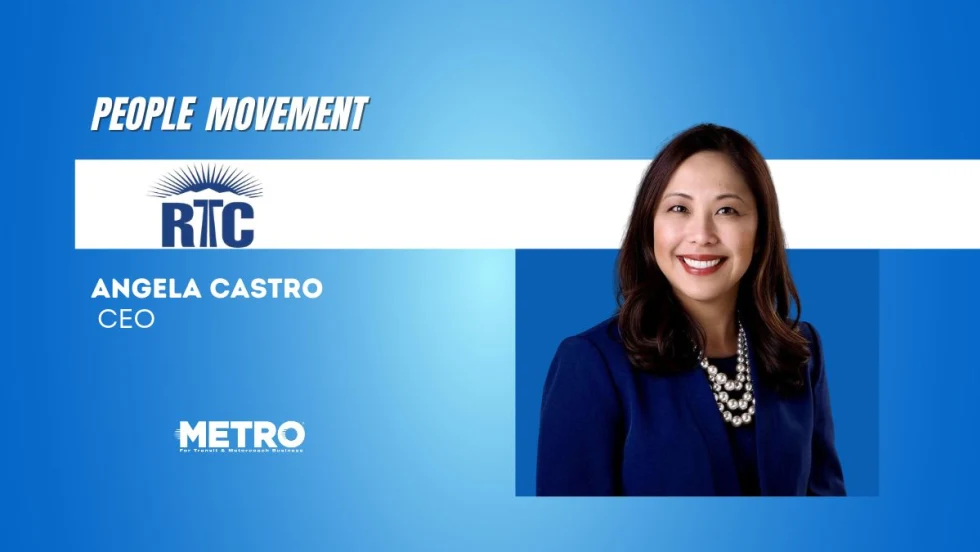
Castro to Lead RTC of Southern Nevada and More in People Movement
In this edition, we also cover recent appointments and announcements at the STV, MCI, and more, showcasing the individuals helping to shape the future of transportation.
Read More →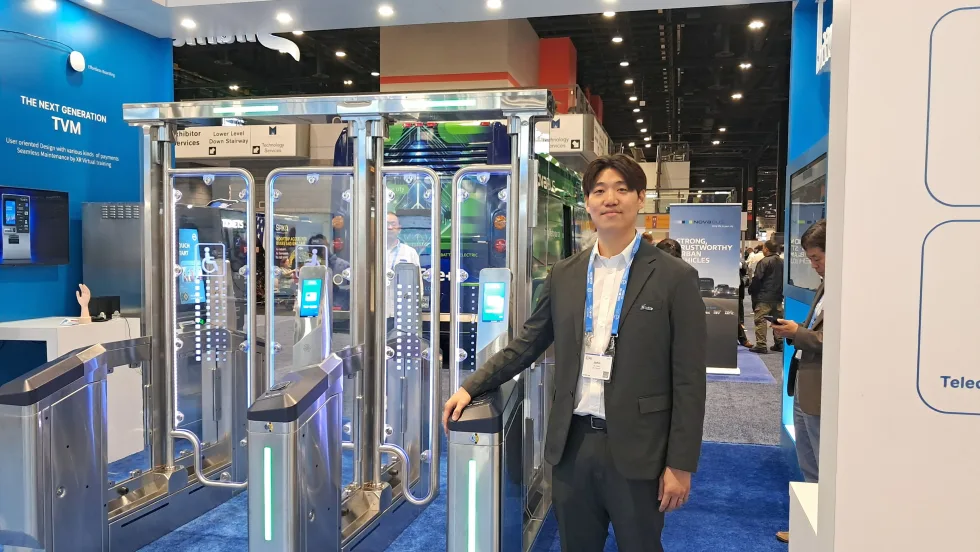
STraffic Expands North American Presence with Fare Collection Technology
John Moon, Associate Director, Product Strategy at STraffic, discusses the company's growth in North America, its efforts to reduce fare evasion, and more.
Read More →
Study: Denver RTD Generates $2.1 Billion in Annual Economic Activity
An economic impact study finds the agency supports approximately 17,500 jobs, delivers $1.6 billion in annual community and mobility benefits, and generates $2.42 in economic value for every dollar invested.
Read More →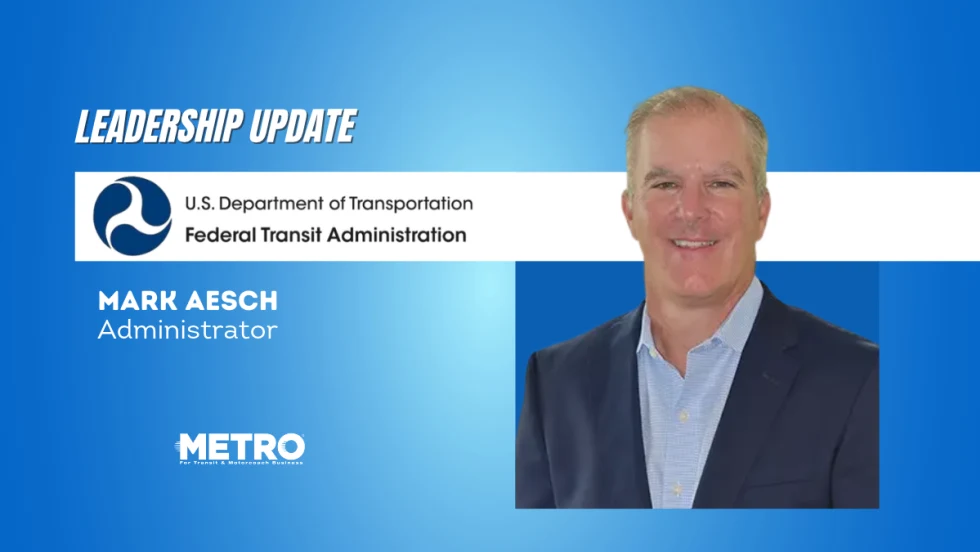
Mark Aesch Nominated to Lead Federal Transit Administration
The former Rochester transit chief and TransPro founder, who has also contributed to METRO Magazine, brings decades of industry experience and a focus on performance, accountability, and financial sustainability to the nomination.
Read More →
Best and Worst U.S. Cities for Public Transportation in 2026
A new analysis of 50 major U.S. urban areas ranks public transit systems based on accessibility, affordability, usefulness, and safety, highlighting where transit performs best and where challenges remain.
Read More →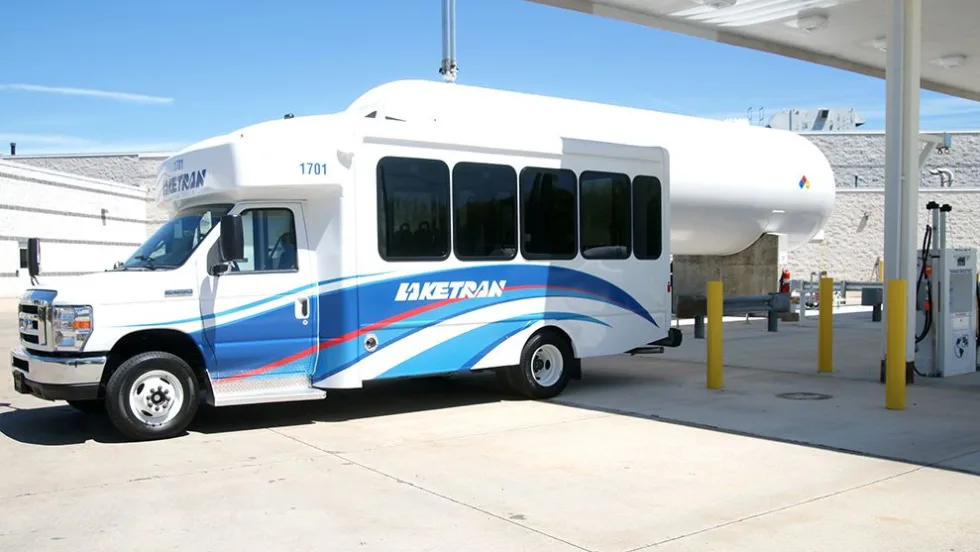
Laketran Cuts Fuel Costs, Boosts Efficiency with Propane-Powered Fleet
The Ohio transit agency is using propane-powered vehicles and on-site fueling infrastructure to cut fuel and maintenance costs while meeting growing demand for paratransit services.
Read More →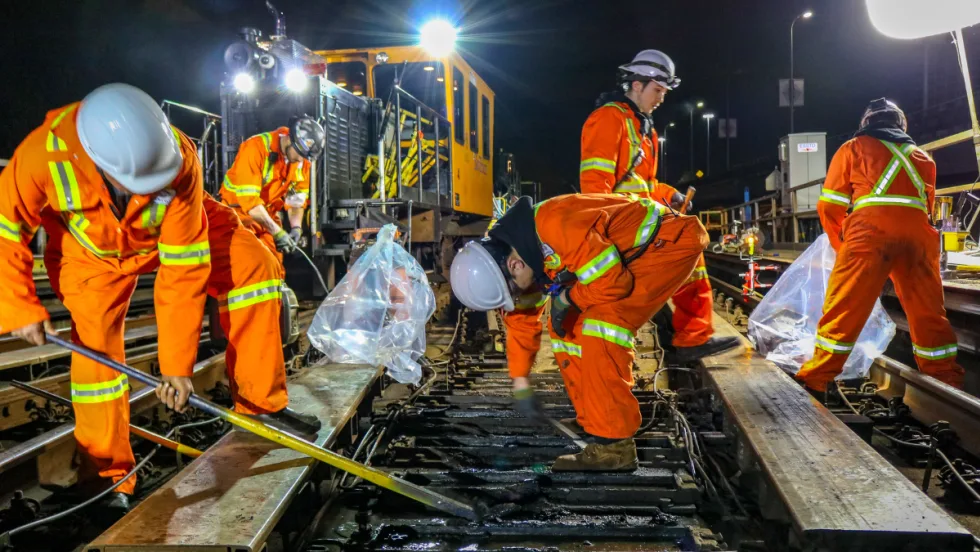
Canada’s Public Transit Supports $65.6 Billion in Annual GDP
New research from the Canadian Chamber of Commerce examines transit's economic contributions, including job creation and the financial implications of transportation investment.
Read More →
Pierce Transit Moves to Expand Fleet Following Proposition 1 Approval
The agency authorized the purchase or refurbishment of up to 60 buses to support a 47% service expansion, as voters nationwide approved billions in new transit funding.
Read More →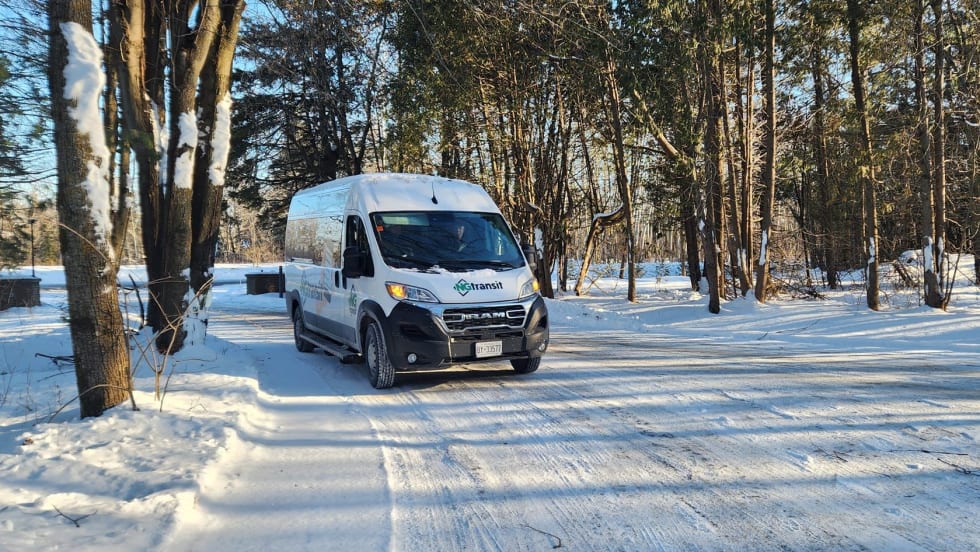
Right-Sizing Rural Transit: Lessons from North Grenville’s On-Demand Model
A small municipality shows how flexible service, rider needs, and public accountability can expand mobility with limited resources.
Read More →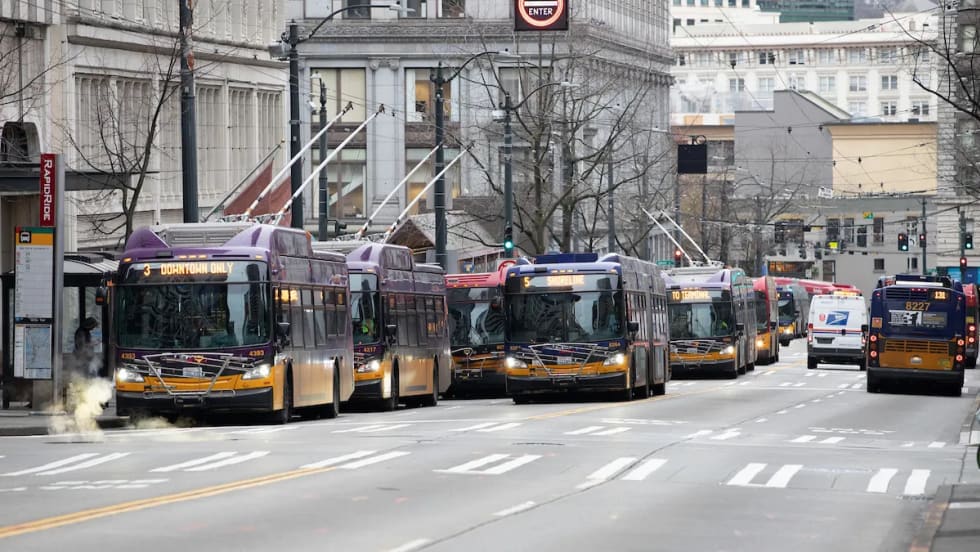
Transit Ballot Victories Signal Strong Voter Support: What Comes Next?
Voters approved billions in public transportation investments in 2026, giving agencies opportunities to preserve service, expand operations, and strengthen regional connections amid a changing political landscape.
Read More →