



Settling the score between light rail and buses
While there haven't been any fisticuffs over the issue, the debate over buses vs. light rail transit (LRT) continues to be a lively one.

While there haven't been any fisticuffs over the issue, the debate over buses vs. light rail transit (LRT) continues to be a lively one. Both sides have excellent points to make: LRT is expensive and rigid and seldom brings in the expected ridership levels; buses may be cheaper and more flexible, but they are polluting and can even add to the congestion they're supposed to be easing. But, like any real-life situation, there are more than just the two sides. All of the experts tapped for this article were far more interested in talking about public transportation as a whole than which of the two modes is better. "There's really a host of issues," said Dr. Steve Polzin, director of public transit research for the Center for Urban Transportation Research at the University of South Florida in Tampa. Polzin is also on the board of directors of Hartline, Tampa's transit operating authority. "Obviously, like any mode, there's a right time and place." "It depends on where the needs are in terms of comparing light rail with a bus-based system," said Dr. John C. Falcocchio, professor of transportation planning at Polytechnic University in New York City. "They serve, I suppose, the same needs, but they may not have the same attributes." The consensus among advocates of LRT seems to be that there are benefits to LRT beyond mere ridership, such as increased development along rail corridors, less pollution and even, as Polzin put it, "neighbor city envy," where cities feel they won't be considered world class unless they have rail. "A lot of markets don't have the demand to fill up trains," Polzin said. "The argument then turns to do we need the quality of service or do we need the physical presence that's capable of influencing development?" As long as planners are realistic about ridership levels, Polzin sees the above two goals as legitimate. "There's no point in trying to reconfigure a city," said Dr. James Moore, associate professor of civil engineering at the University of Southern California and associate director of the National Center for Metropolitan Transportation Research. Moore believes that modern cities are far too decentralized for rail service to be cost-effective. If anything, he questions having public transportation at all, but cites two main rationales for having public transit, which he says are in contradiction to each other. One is ensuring a minimum level of mobility for everybody. The second is attracting riders out of their automobiles. "The agencies sometimes get themselves into a ball trying to do both," Moore said. The bottom line, however, according to Folcocchio and Polzin, is that agencies need to genuinely look at their needs, and consider systems that are not one or the other, but both.
- Anne Louise Bannon
More Management

Bus Tech Talk: Keeping Transit Technicians Ahead of the Technology Curve
In this episode of Bus Tech Talk, Complete Coach Works’ Business Development Manager Mark Hollenbeck and METRO’s Executive Editor Alex Roman sit down with Obed Mejia, Senior Technical Trainer for Bus Maintenance, at LA Metro to discuss how rapidly evolving bus technology is changing the maintenance shop — and the skills technicians need to keep pace.
Read More →
Michael Schneider Joins Paslay Group to Expand Transportation Practice
The longtime transportation executive will help Paslay Group grow its advisory and program management work across transit, highway, and other infrastructure sectors.
Read More →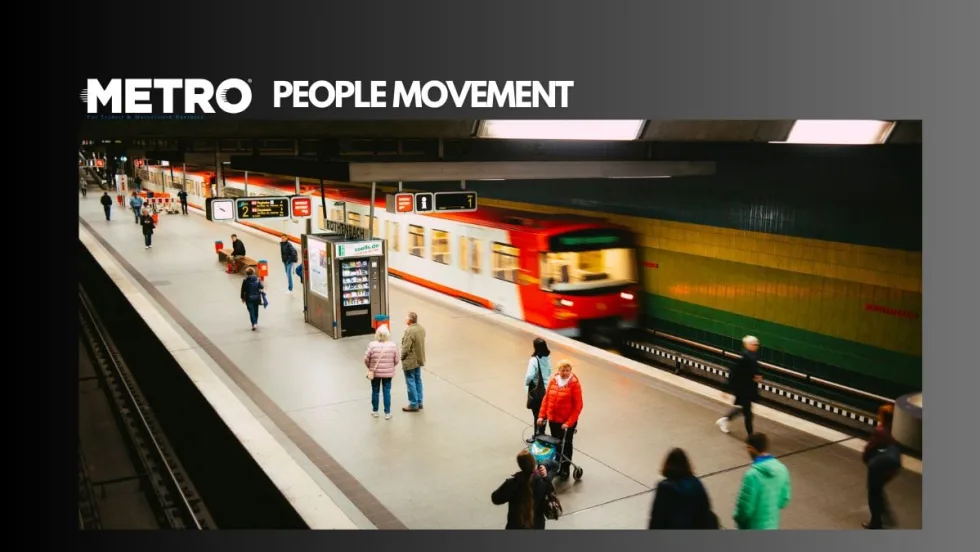
People Movement: Connectpoint Expands Leadership Team, Stadler Names New Group CEO, and More
In this edition, we also spotlight recent personnel moves at Burns, UZURV, and more, highlighting the people taking on new roles across the transportation industry.
Read More →
More Than a Summer Job: Building the Next Generation of Transit Talent
The Delaware River Port Authority and PATCO have transformed their internship program into a hands-on professional development experience that introduces students to the breadth of transportation careers — and creates a pipeline for future employees.
Read More →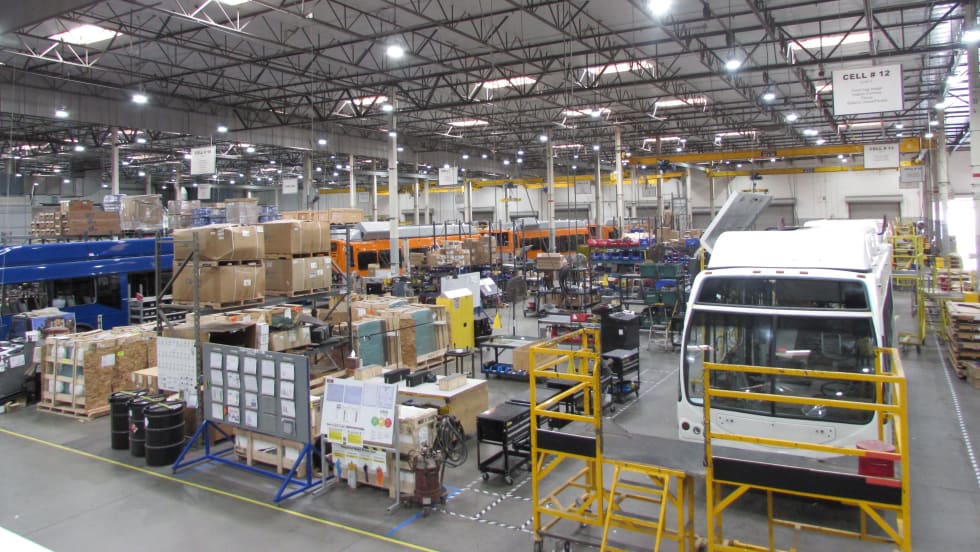
LA Metro Board Awards 220 Battery-Electric Bus Contract to ENC
The contract, which is the largest base award of battery-electric buses by a U.S. transit agency, will be built in Southern California, sustaining good jobs as LA prepares to welcome the world in 2028
Read More →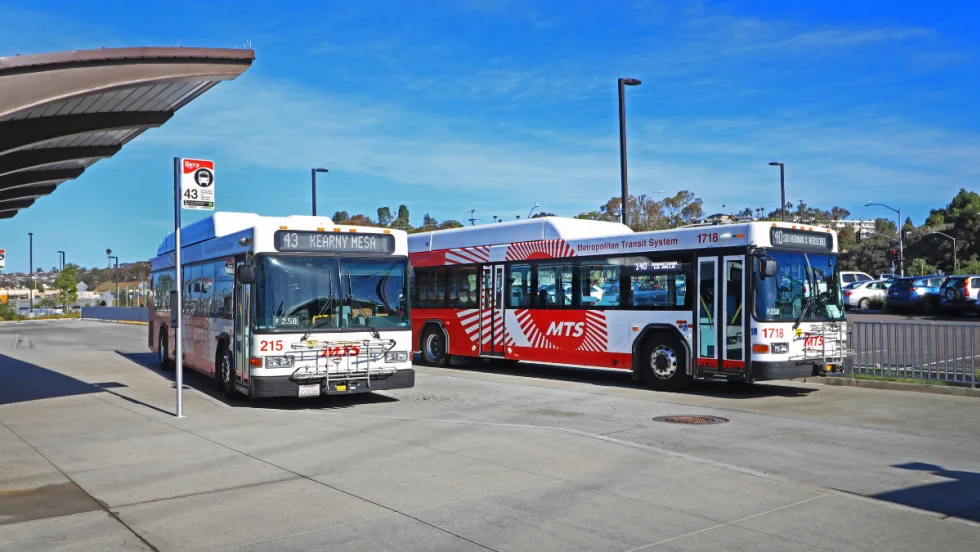
What’s Behind San Diego MTS’s Award-Winning Transit Strategy
Named one of APTA’s 2026 Outstanding Public Transportation Systems with 50 million or more annual passenger trips, California’s San Diego Metropolitan Transit System points to gains in ridership, safety, technology, and reliability as foundations of its success.
Read More →
Public Transit Conference Returning to GFX in 2027, Call for Papers Now Open
The Call for Papers is now open, allowing transit agency professionals and industry experts to help shape the PTC educational program by submitting session ideas for consideration.
Read More →
Indian River Transit’s Community-Focused Approach Earns National Recognition
Named APTA’s 2026 Outstanding Public Transportation System in its size category, Florida’s Indian River County transit system continues to grow ridership through fare-free service and a focus on evolving community needs.
Read More →
ENC Lands MATA Contract and More in Biz Briefs
In this edition of Biz Briefs, we spotlight the latest developments shaping the future of mobility.
Read More →From Surviving to Thriving: Building Stronger Transportation Organizations
Bus Business Consultants founder Brian Dickson shares lessons on leadership, organizational health, and creating options for long-term success in a changing transportation industry.
Read More →