



Governor Advances Transit-Oriented Development in Baltimore
The Maryland Transit Administration is advancing the nearly $1.4 billion Light Rail Modernization Program, which modernizes the Baltimore Central Light Rail Line from Hunt Valley to BWI Thurgood Marshall Airport with new, low-floor vehicles and upgrades to all light rail stations, systems, and maintenance facilities.

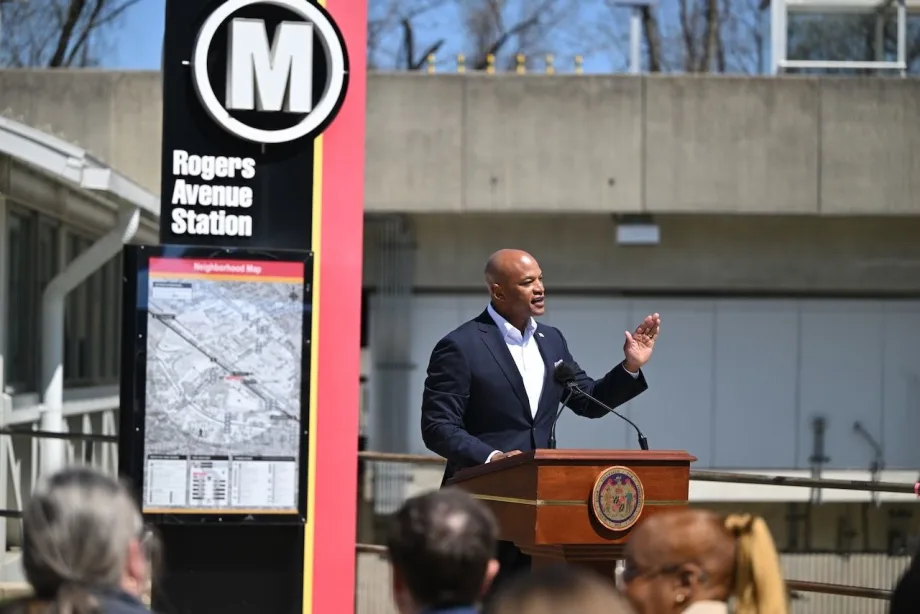
The TOD strategy continues the Moore-Miller Administration’s efforts to improve regional mobility through substantial investments in transit across the Baltimore region.
Governor Moore's Office
- The Maryland Transit Administration is implementing a $1.4 billion Light Rail Modernization Program in Baltimore.
- The initiative involves updating the Baltimore Central Light Rail Line with new low-floor vehicles.
- Upgrades will affect all light rail stations, systems, and maintenance facilities along the route.
*Summarized by AI
During a joint press conference with Baltimore City Mayor Brandon Scott and State transportation officials, Maryland Governor Wes Moore unveiled the Baltimore Region Transit-Oriented Development (TOD) Strategy and announced the first step toward securing a development partner for the North parcel of the Rogers Avenue Metro Station.
“We have said from the beginning that if this is going to be Maryland’s Decade, it has to be Baltimore’s Time,” said Gov. Moore. “Part of making that real means making sure our investments in Baltimore’s Metro and Light Rail System lead to opportunity — opportunity to live near transit, opportunity to strengthen communities near transit, and opportunity to create work, wages, and wealth near transit. That is what it means to leave no one behind.”
Baltimore TOD Plan
The TOD strategy continues the Moore-Miller Administration’s efforts to improve regional mobility through substantial investments in transit across the Baltimore region. The Maryland Transit Administration is advancing the nearly $1.4 billion Light Rail Modernization Program, which modernizes the Baltimore Central Light Rail Line from Hunt Valley to BWI Thurgood Marshall Airport with new, low-floor vehicles and upgrades to all light rail stations, systems, and maintenance facilities.
Gov. Moore, Mayor Scott, and state transportation officials also rode Baltimore’s new Metro Subway cars from Rogers Avenue to Charles Center. The $400 million Metro Subway investment secured by Maryland’s congressional delegation supports the purchase of 78 new railcars and an upgraded communications system that improves reliability and on-time performance.
“For generations, restrictive housing and transportation policies were intentionally used to limit opportunity and investment in so many of our neighborhoods. Today, the opposite is true,” said Mayor Brandon M. Scott. “Working with the State and public and private partners, we are intentionally anchoring housing projects near transit — just as we envisioned in Our Baltimore, a comprehensive development plan for the city. This strengthens our communities, attracts new residents, and creates opportunity for local businesses as we continue to drive Baltimore’s Renaissance forward.”
Following his Metro Subway ride to Downtown Baltimore, Gov. Moore convened a roundtable in partnership with the Greater Baltimore Committee and Greater Washington Partnership, which jointly lead Baltimore’s Transit Future —a coalition of business and civic leaders advocating for regional transportation investment. Elected officials and business leaders from across the Baltimore region discussed the importance of working in partnership to advance TOD and connect Marylanders to economic opportunity.
The Governor expressed the need for partnership between the state, localities, and businesses to fully realize transit-oriented development’s potential impact — including over 5,000 new housing units and almost $1.4 billion in state and local tax revenue from developing state-owned land alone.
Detailing the Plan
Local elected officials and business leaders also received a briefing on the Maryland Department of Transportation’s Baltimore Region TOD strategy.
The strategy was built through partnerships and engagement with local partners and serves as a roadmap for increasing new investment and development around Baltimore’s Metro and Light Rail network, officials said. The strategy identifies key policy and financial tools, offering an actionable vision for how the state, local jurisdictions, and private partners can work together to create vibrant, walkable communities near transit while expanding housing options, generating jobs, and connecting residents to opportunities across the region.
Gov. Moore also announced the first step toward advancing the Baltimore region’s transit-oriented development strategy, with the Maryland Department of Transportation issuing a Request for Qualifications for a Joint Development opportunity at the Rogers Avenue Metro Station.
The effort aims to develop 9 acres of state-owned land currently used as a parking lot. The project will aim to turn the parking lot, which generates neither state nor local tax revenue, into an asset that increases transit ridership, increases housing supply, maximizes the return on State transportation infrastructure investment, and supports local community needs.
“Transit-oriented development puts transit at the heart of our communities and creates vibrant, walkable spaces where people can live, work, and connect,” said Maryland Transit Administrator Holly Arnold. “By aligning development with our transit investments, we are expanding access and growing economic opportunity.”
TOD supports the Moore-Miller Administration’s State Plan to grow Maryland’s economy and create affordable housing, officials said.
The full potential of transit-oriented development requires close coordination and sustained partnership with local jurisdictions, private developers, and communities, and the Moore-Miller Administration said it is committed to working with all partners to streamline housing investments near transit stations and unlock the full development potential of State-owned land.
Quick Answers
The Light Rail Modernization Program aims to upgrade the Baltimore Central Light Rail Line, enhancing the system with new low-floor vehicles and improving all light rail stations, systems, and maintenance facilities.
*Summarized by AI
More Management

Bus Tech Talk: Keeping Transit Technicians Ahead of the Technology Curve
In this episode of Bus Tech Talk, Complete Coach Works’ Business Development Manager Mark Hollenbeck and METRO’s Executive Editor Alex Roman sit down with Obed Mejia, Senior Technical Trainer for Bus Maintenance, at LA Metro to discuss how rapidly evolving bus technology is changing the maintenance shop — and the skills technicians need to keep pace.
Read More →
Michael Schneider Joins Paslay Group to Expand Transportation Practice
The longtime transportation executive will help Paslay Group grow its advisory and program management work across transit, highway, and other infrastructure sectors.
Read More →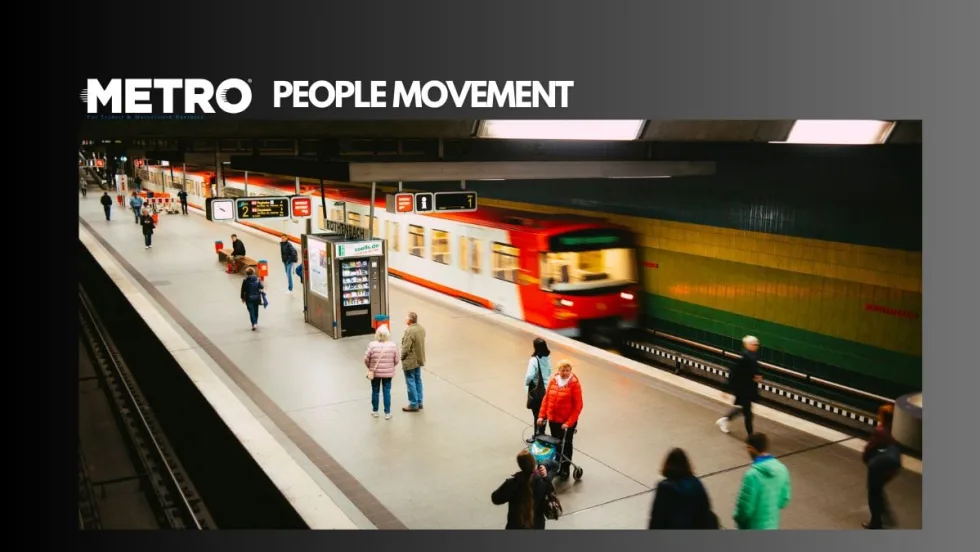
People Movement: Connectpoint Expands Leadership Team, Stadler Names New Group CEO, and More
In this edition, we also spotlight recent personnel moves at Burns, UZURV, and more, highlighting the people taking on new roles across the transportation industry.
Read More →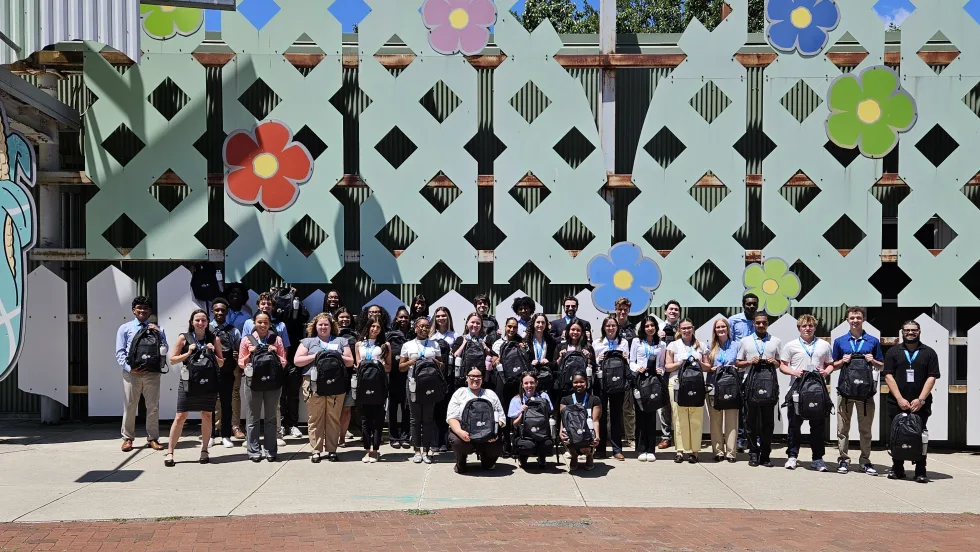
More Than a Summer Job: Building the Next Generation of Transit Talent
The Delaware River Port Authority and PATCO have transformed their internship program into a hands-on professional development experience that introduces students to the breadth of transportation careers — and creates a pipeline for future employees.
Read More →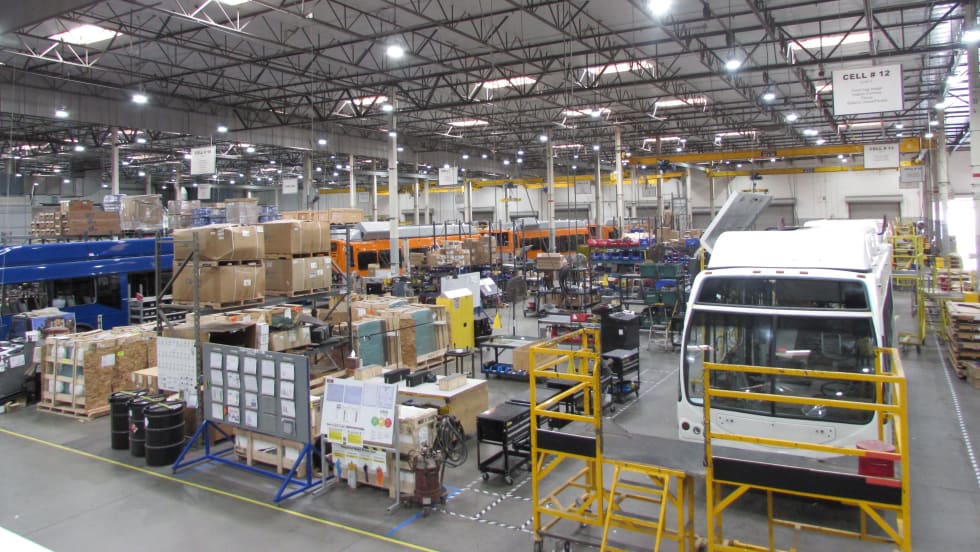
LA Metro Board Awards 220 Battery-Electric Bus Contract to ENC
The contract, which is the largest base award of battery-electric buses by a U.S. transit agency, will be built in Southern California, sustaining good jobs as LA prepares to welcome the world in 2028
Read More →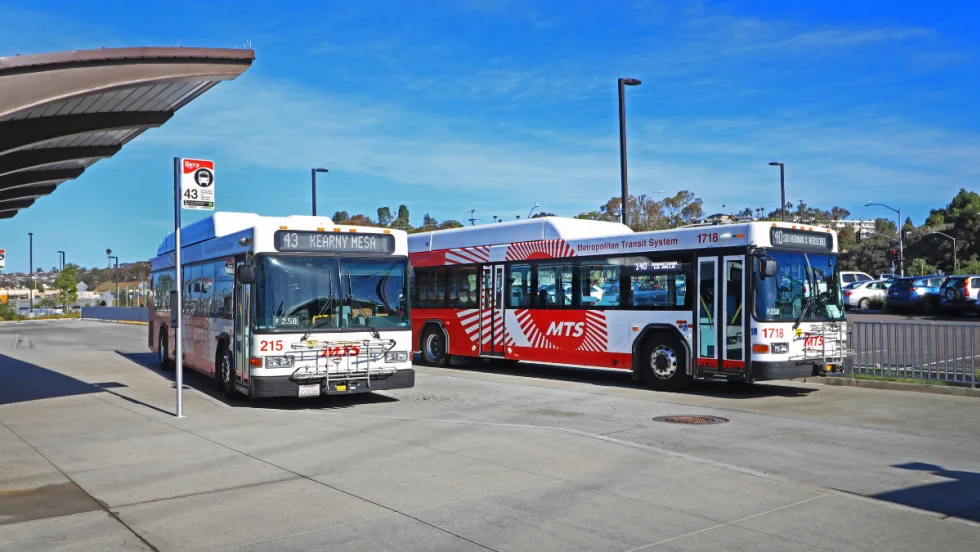
What’s Behind San Diego MTS’s Award-Winning Transit Strategy
Named one of APTA’s 2026 Outstanding Public Transportation Systems with 50 million or more annual passenger trips, California’s San Diego Metropolitan Transit System points to gains in ridership, safety, technology, and reliability as foundations of its success.
Read More →
Public Transit Conference Returning to GFX in 2027, Call for Papers Now Open
The Call for Papers is now open, allowing transit agency professionals and industry experts to help shape the PTC educational program by submitting session ideas for consideration.
Read More →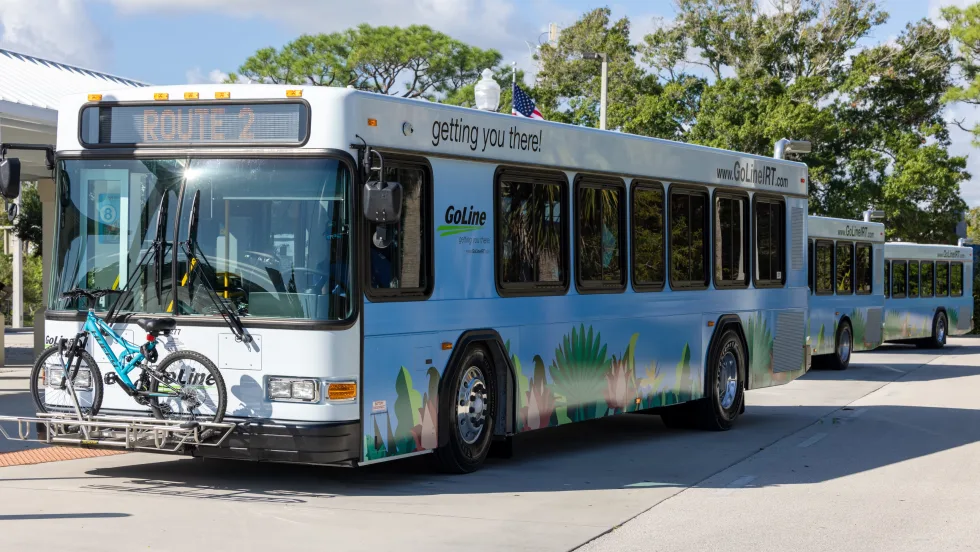
Indian River Transit’s Community-Focused Approach Earns National Recognition
Named APTA’s 2026 Outstanding Public Transportation System in its size category, Florida’s Indian River County transit system continues to grow ridership through fare-free service and a focus on evolving community needs.
Read More →
ENC Lands MATA Contract and More in Biz Briefs
In this edition of Biz Briefs, we spotlight the latest developments shaping the future of mobility.
Read More →From Surviving to Thriving: Building Stronger Transportation Organizations
Bus Business Consultants founder Brian Dickson shares lessons on leadership, organizational health, and creating options for long-term success in a changing transportation industry.
Read More →