



Survive tough times with tenacity
It would be easy to bemoan the state of the motorcoach industry, based on the troubles of the past few years. September 11, of course, put an exclamation point to the challenges facing the operators of tour and charter buses.

It would be easy to bemoan the state of the motorcoach industry, based on the troubles of the past few years. September 11, of course, put an exclamation point to the challenges facing the operators of tour and charter buses. The result has been numerous cancellations, a slowdown in bookings, higher insurance rates, reduced equity on used equipment and tougher requirements for buying new equipment. The list could go on, but it’s already long and painful. Much of the pain has been generated from external and uncontrollable forces. Leisure travel, in general, has yet to recuperate from the terrorist attacks, but the tour and charter bus industry was especially hard hit because of its reliance on visitors from other states and overseas, the type of tourists who stayed home in droves after the September 2001 atrocities. Things don’t sound too good, do they? Plenty of bright spots But 2002 wasn’t all gloom and doom. As noted in our special feature on successful bus companies (“7 Most Innovative Motorcoach Operators”), some operators have found ways to survive — and thrive — during these challenging times. Some of the strategies applied by these companies include diversification of services, extra attention to driver hiring and training, addition of onboard technologies such as GPS tracking and Internet and e-mail connectivity, upgrading of the fleet, hiring an outside management consultant and computerization of the maintenance shop. That’s not to say, however, that their strategies will work for everyone. Successful operators know what their customers are looking for, which may not be a free connection to the Internet or gourmet coffee. In some ways, Darwin’s theory of survival of the fittest comes into play. Those companies that properly adapt to shifting environmental challenges will survive to, er, procreate another day. Meanwhile, the dinosaurs of the industry are being forced into extinction. How do you avoid being a dinosaur? Look beyond yourself Use your head — and your feet. First, make grassroots connections within your community. Be proactive in developing relationships with people in your own backyard. If you haven’t already done this, get involved with the chamber of commerce, local service organizations and transportation groups. It goes without saying that you should join all local or state motorcoach associations. Do more than join, however. The best way to learn is to become an active participant, such as a committee or board member. When someone asks for volunteers, be the first person to raise your hand. Fortunately, the motorcoach industry has a couple of resource-intensive national associations that provide excellent support to their members. Anyone serious about succeeding as a tour and charter bus operator should belong to the American Bus Association (ABA) or United Motorcoach Association (UMA). Many companies belong to both. The ABA and UMA not only provide massive amounts of information about legislative matters, regulatory issues and operational and technical concerns, they also bring together their members for annual meetings that include robust educational programs as well as trade shows that features the latest products and services from the supplier community. All of these things go a long way to helping the motorcoach industry through tough times. But the buck always falls back on your desk, doesn’t it? Embrace every opportunity to improve yourself and your operation and maybe, just maybe, you won’t go the way of the dinosaur.
More Management
People Movement: Connectpoint Expands Leadership Team, Stadler Names New Group CEO, and More
In this edition, we also spotlight recent personnel moves at Burns, UZURV, and more, highlighting the people taking on new roles across the transportation industry.
Read More →
More Than a Summer Job: Building the Next Generation of Transit Talent
The Delaware River Port Authority and PATCO have transformed their internship program into a hands-on professional development experience that introduces students to the breadth of transportation careers — and creates a pipeline for future employees.
Read More →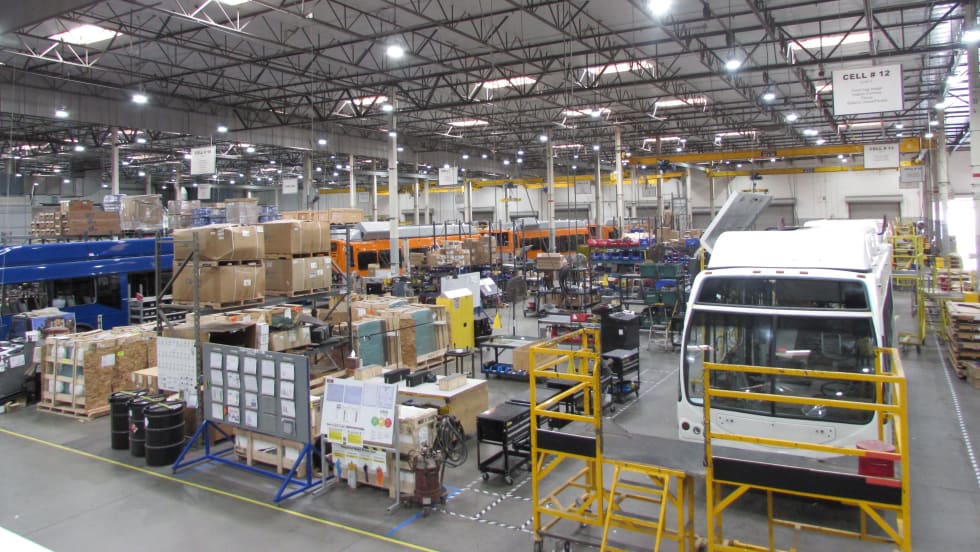
LA Metro Board Awards 220 Battery-Electric Bus Contract to ENC
The contract, which is the largest base award of battery-electric buses by a U.S. transit agency, will be built in Southern California, sustaining good jobs as LA prepares to welcome the world in 2028
Read More →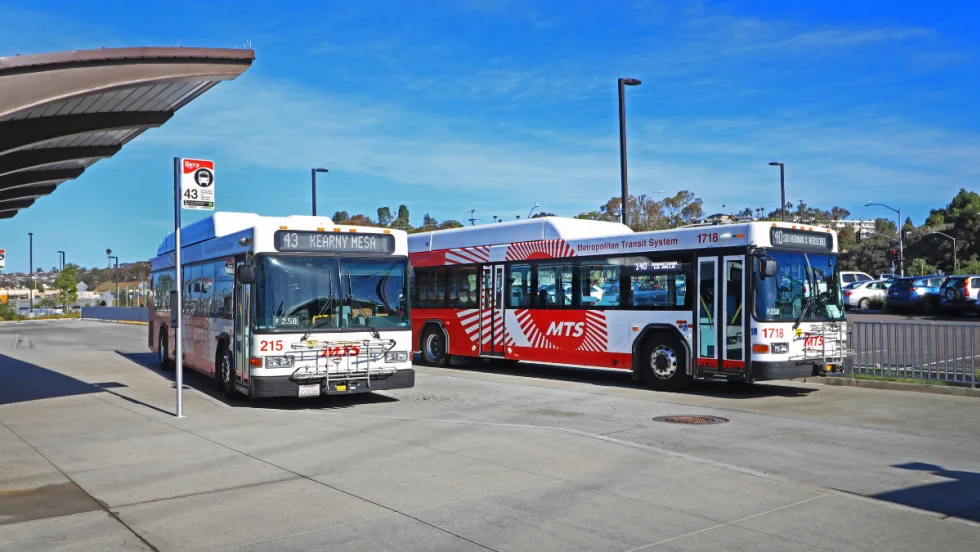
What’s Behind San Diego MTS’s Award-Winning Transit Strategy
Named one of APTA’s 2026 Outstanding Public Transportation Systems with 50 million or more annual passenger trips, California’s San Diego Metropolitan Transit System points to gains in ridership, safety, technology, and reliability as foundations of its success.
Read More →
Public Transit Conference Returning to GFX in 2027, Call for Papers Now Open
The Call for Papers is now open, allowing transit agency professionals and industry experts to help shape the PTC educational program by submitting session ideas for consideration.
Read More →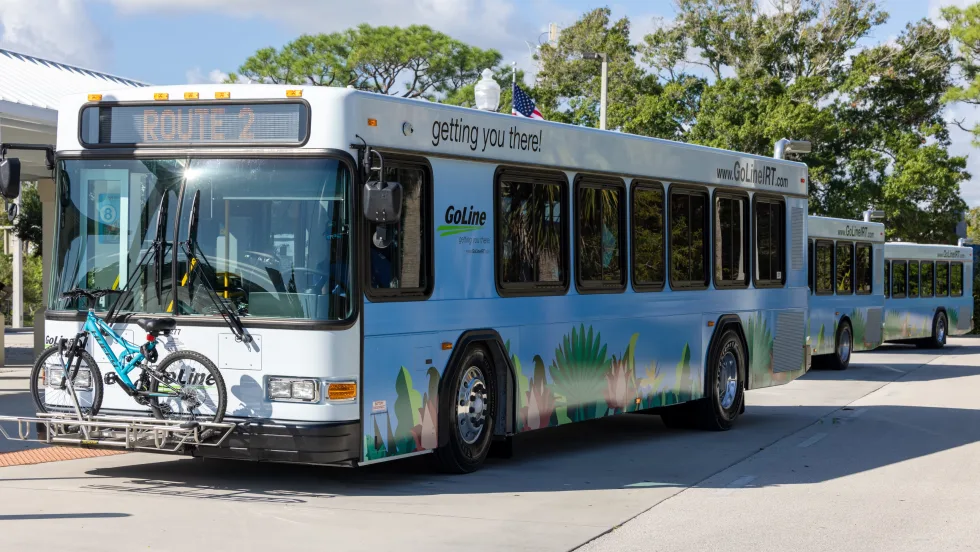
Indian River Transit’s Community-Focused Approach Earns National Recognition
Named APTA’s 2026 Outstanding Public Transportation System in its size category, Florida’s Indian River County transit system continues to grow ridership through fare-free service and a focus on evolving community needs.
Read More →
ENC Lands MATA Contract and More in Biz Briefs
In this edition of Biz Briefs, we spotlight the latest developments shaping the future of mobility.
Read More →
From Surviving to Thriving: Building Stronger Transportation Organizations
Bus Business Consultants founder Brian Dickson shares lessons on leadership, organizational health, and creating options for long-term success in a changing transportation industry.
Read More →
Everett Transit, Community Transit Outline Consolidation Agreement
The proposed agreement calls for a 50% increase in bus service in Everett, a new microtransit zone, continued paratransit service, and the transfer of Everett Transit operations to Community Transit.
Read More →
Strada360’s Steve Lassey on Turning Transit Data Into Better Decisions
From breaking down data silos to preparing for AI, Strada360 CEO Steve Lassey discusses how transit agencies can use technology to improve operations, customer information, and long-term decision-making.
Read More →