Tackling The Cost of Motorcoach Insurance Post-COVID
While the pandemic put a freeze on business, insurance companies were able to help operations control costs when their vehicles weren’t running. Now that operations are in business again, however, there are some keys to keep in mind to keep this controllable cost as low as possible.
As COVID sunk its teeth into the industry’s collective bottom line at a rapid pace, insurance companies stepped up to help motorcoach operations control outgoing costs on vehicles that simply weren’t in use.
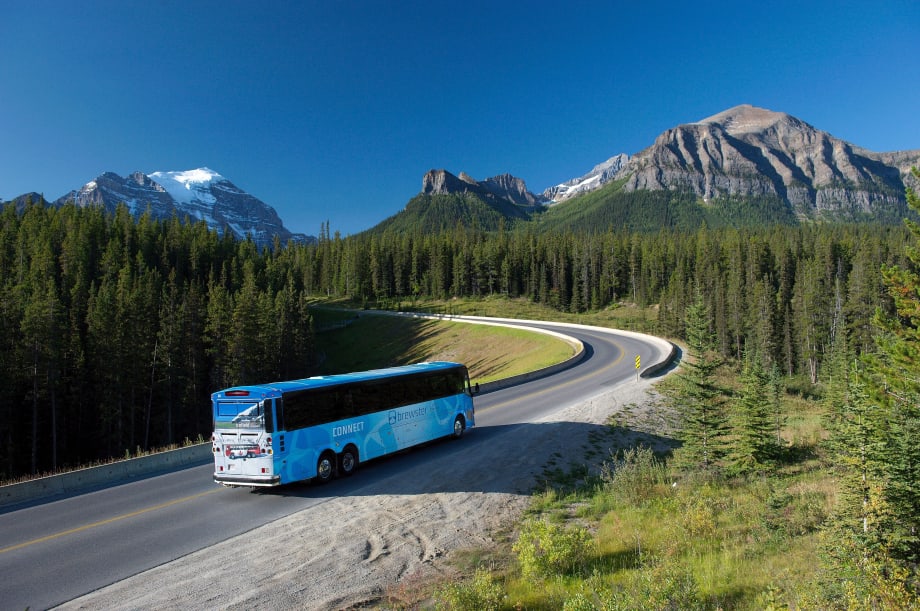
Photo: Brewster Travel Canada
7 min to read
As motorcoach operations continue to climb out of the pandemic’s rubble, many are more focused on making prudent business decisions than ever before. One way they can control costs is through making sound decisions around the insuring of their vehicles.
“There’s an acronym we have for motorcoach operators, which is L.I.F.E.: labor, insurance, fuel, and equipment,” explains Charlie Shriver, president of Shriver Transportation Insurance Agency. “Operators basically have no control over the other three, but they have control over their insurance and that’s something we’ve tried to explain to them both before and after COVID — don’t give money to your insurance company that you could keep in your pocket.”
Ad Loading...
Nothing’s Changed, but Everything’s Changed
“Operationally, nothing much has changed post-COVID. We’re still insuring this exposure, and we’re not going anywhere,” says Steven O’Shea, VP, marketing and customer service, at Lancer Insurance. “It remains important for us to have a clear understanding of the nature of the operations and safety protocols for every operator that we consider writing, and we work with all of our customers to make sure that they have the best policies and procedures in place for success.”
As COVID sunk its teeth into the industry’s collective bottom line at a rapid pace, insurance companies stepped up to help motorcoach operations control outgoing costs on vehicles that simply weren’t in use.
“Through our vehicle suspension program, we extended a lifeline to a very rattled passenger transportation industry, giving our customers the option to either pay a reduced premium or turn in their plates, which would essentially ensure the vehicles would not be moving,” says O’Shea. “We maintained that program until the industry had recovered to a sustainable, if not robust, level before discontinuing it in September 2022.”
While Shriver’s company also found ways to alleviate costs for motorcoach companies, he adds that in 60 years in the business nothing he has experienced has ever impacted the collective motorcoach industry the way COVID did.
“It not only put an unprecedented number of motorcoach operators out of business, imagine the impact it had on an insurance agency such as ours, whose income is almost 100 percent based on insuring limousine, motorcoach, and school bus operations and they were all shut down,” he says. “Because of that, not only did we not have any income coming in, but we were also returning money on policies that had some pre-paid premiums on equipment they weren’t running. It was really a hard time for the industry, overall.”
Ad Loading...
That is not to say that insurance firms weren’t staying busy during the pandemic.
“New claims were still coming in, and we sought to resolve old claims, despite the closure of the courts, to minimize out-of-pocket expenses for policyholders who were already struggling due to the shutdown, says O’Shea. “Simultaneously, we offered guidance on government relief programs and created new loss control content to address the challenges operators were experiencing or would face during the industry's restart.”
As operations began and still continue to ramp up, the driver issue that was facing the industry prior to the pandemic has only been exacerbated.
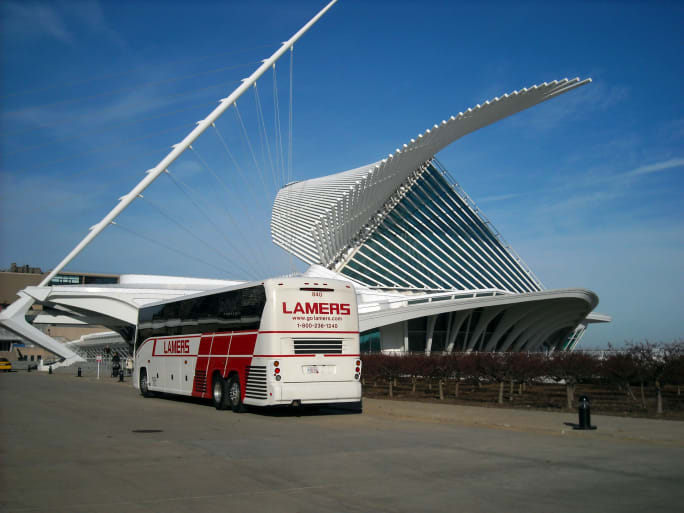
Photo: Lamers
Hurdles Facing Operators Have Lasting Insurance Impact
As operations began and still continue to ramp up, the driver issue that was facing the industry prior to the pandemic has only been exacerbated.
“During COVID, coach operators had to find something else to do, and once they did, they often made more money, got better benefits, and didn’t have to be away from their families on a one- or two-week charter,” says Shriver. “Now as operators are trying to ramp up their driver workforce, they are facing a lot of competition, which is really accelerating an issue that had already existed for some time.”
“Some drivers opted for early retirement, chose not to return due to health concerns or found other employment opportunities because of the reduced demand for travel services,” adds O’Shea. “So, as operators began to ramp up, it was difficult to find drivers and that issue continues.”
Ad Loading...
As the lack of drivers is making it difficult for operators to take on work, it is also making it difficult for them to increase operations and bring out some of the vehicles they had to put out of commission during the pandemic. With that, some operators are expanding operations enough that they need to add more vehicles, but those deliveries have been delayed because of supply chain issues, causing them to either not be able to ramp up or run older or borrowed equipment. Combined, these issues are currently impacting an operation’s insurance costs.
“Rapidly putting vehicles back into service when altering your operations and hiring new, potentially inexperienced drivers can significantly affect your insurance costs,” explains O’Shea. “To proactively address these concerns, operators should communicate any operational changes to their insurance broker so that they can be shared with the carrier. Having a comprehensive understanding of the business allows us to more accurately evaluate the level of risk we are assuming.”
Tips as the Ramp Up Continues
While some operations around the nation are back up to about 100% capacity, the typical average is at about 70%, according to industry experts. While operations continue to ramp up, it’s important to remember Shriver’s L.I.F.E. acronym and focus on that one controllable cost — insurance.
Some tips from our experts to help lower insurance costs include:
1. Choose a company familiar with the industry – This seems like a no-brainer, but it is probably one of the most important. Why would you choose an insurance provider that has no knowledge of how the industry works? Or even worse, why choose a provider that bases its premiums on factors that negatively impact passenger transport operations?
Ad Loading...
“As a company that’s been in the passenger transportation business for 60 years, obviously I’m going to say it’s important to work with somebody familiar with the industry,” says Shriver. “It’s not just because we have experience working with other motorcoach operations, but we also have experience working with operations when claims occur. There probably isn’t an issue or obstacle we haven’t seen before.”
2. Operate in the safest way possible – Another crucial and perhaps the most important tip is to take every possible measure to reduce claims, particularly since insurance rates are on the rise.
“Insurance rates are up due to a surge in claim costs, driven by multiple factors,” explains O’Shea. “Technology is one of them. For example, replacing a bumper used to be inexpensive, but it’s much more expensive now due to advanced sensors in the bumpers and higher labor costs to make those repairs. Another factor is social inflation, which means insurance claims are getting bigger because of societal trends favoring larger settlements and judgments."
Not surprisingly, insurance rates are also up because of inflation, the involvement of attorneys specializing in commercial transportation cases, the inclusion of new medical science like traumatic brain injuries in claims, as well as escalating medical costs.
O’Shea stresses that the cheapest claim to defend is one that doesn’t happen. He says, “Operators need to be extremely careful when hiring drivers, create comprehensive company policies and procedures, and ensure those policies and procedures are well-communicated to both staff and customers.”
Ad Loading...
3. Shop Around – Another tip that seems obvious, but shopping around is extremely important right now.
Shriver adds that while it’s important to shop around, it’s also imperative to shop around well ahead of when your insurance coverage is set to renew. In fact, he suggests setting a timetable to begin working with your insurance agent on a rate.
“Full disclosure, I’ve had operators call me late Friday afternoon needing me to write them up by the end of the day,” Shriver explains. “You need to work with your provider to get that quote at least two weeks ahead of time, so you don’t have to worry about it at the last minute. That also gives you time to look around should those quoted rates be a bit higher than you expected.”
4. Document Your Losses and Only Insure What’s Running –Business is a game of pluses and minuses. While there are a lot of factors playing into your insurance premiums, an operation’s losses can play a big part in their insurance rates going up. To keep a handle on that escalation, Shriver suggests motorcoach operators should keep documentation of their loss runs.
“You can’t go to a bank for a loan without financials, so it’s a good idea to come to your insurance agent with documentation of your losses,” he says. “If anything, it’s part of the story you get to tell your agent, especially if you are running hundreds of thousands of miles a year and your loss runs are minimal.”
Ad Loading...
Shriver adds that it’s also important to only continue to pay insurance on vehicles in your operation that are currently running.
“The cost of paying insurance on a vehicle that is not running should be zero,” says Shriver. “Making sure that you are not paying for something that is not moving seems obvious, but you’d be surprised. In the end, it’s all about the overall management of your bottom line, which is extremely important right now as motorcoach operators are trying to maximize their revenues during this still difficult time.”
In METRO's latest installment, we take a look at recent news from Complete Coach Works, Beep, FlixBus, and more partnerships making headlines across the transportation sector.
In METRO's latest installment, we take a look at recent news from Siemens, Prevost, Dodge, and more partnerships making headlines across the transportation sector.
In this edition, we also cover recent appointments and announcements at Pace, CamTran, MCI, and more, showcasing the individuals helping to shape the future of transportation.
In a recent episode of METROspectives, CharterUP Founder/CEO Armir Harris discussed the company’s evolution from an online charter bus marketplace into a technology platform supporting public- and private-sector mobility and much more.
In this edition, METRO also covers recent appointments and announcements at the DART, STV, and more, showcasing the individuals helping to shape the future of transportation.
Bus Business Consultants founder Brian Dickson shares lessons on leadership, organizational health, and creating options for long-term success in a changing transportation industry.
From manufacturers and suppliers to transit agencies and motorcoach operators, these updates offer a snapshot of the projects, partnerships and business moves driving the industry forward.
Preliminary findings show 98% of operators faced premium increases over the past five years, while shrinking insurer participation is putting added pressure on businesses and customers.