



Taking the distractions out of driving
Why do we allow ourselves to be distracted? Most often it's because we're impatient and lose focus on the road conditions around us. However, when we drive regularly (and some of us do it for a living), we also develop a trait called "muscle memory." Or in other words, our minds are simply driving on "auto pilot" and not actively concentrating on driving. The result is boredom.
It's well understood that driving is the most dangerous thing we do almost every day of our lives. Whether we're behind the wheel, in the passenger seat or even walking along a busy street, our lives are in the hands of every driver on the road.
So, have you ever asked yourself why we accept this risk so easily? Perhaps, we believe that our new vehicle includes the latest and greatest safety technology so our risk is minimized. Or, maybe we feel that every other driver on the road is just as cautious as we are. Or, that the federal government's safety standards create a level playing field for everyone.
Regardless of your answer, the fact is that many of us have rationalized one of the most hazardous activities of our lives with little or no consequence.
What if?
To gain a greater appreciation of the risks we all assume when we climb into our cars, consider the "what if?" scenario:
What if a car in front of you grinds to a sudden halt just as you start rummaging through your bag to find your cell phone that's ringing?
What if you don't see the brake lights soon enough and smash into the rear of the car?
What if you are operating a tour coach loaded with passengers?
What if the vehicle you collided with had an infant carrier strapped in the back seat?
Now, consider the distraction caused by the cell phone and the devastation it caused. The impact is shocking. Yet, scenarios identical to this one are played out millions of times per day by drivers all around us. Whether it's talking/texting on the phone, changing the radio station, disciplining the kids in the back seat, or even staring (as we all do) at the wreck on other side of the highway, it's easy to become distracted while driving.
Identify distractions
Why do we allow ourselves to be distracted? Most often it's because we're impatient and lose focus on the road conditions around us. However, when we drive regularly (and some of us do it for a living), we also develop a trait called "muscle memory." Or in other words, our minds are simply driving on "auto pilot" and not actively concentrating on driving. The result is boredom.
So, we look for something to keep us awake and alert. We turn to our radio or MP3 player for that perfect song or catch up with our significant other on the phone. Before long, however, we start believing that we're good at multi-tasking while driving. So we drive down the interstate at speeds in excess of 70 mph, while confidently steering with our knees as we hold our phone between our head and our shoulder and type in our destination point on the GPS unit. Sound far-fetched? The next time you're at a stop light, take a minute to look at the driver next to you. You'll find this isn't as uncommon as you might think.
Passengers & pedestrians
As passengers and pedestrians we can also be affected by poor driving habits. Consider that the average weight of a family vehicle is close to 4,000 lbs., before adding a driver, passengers and cargo. An empty coach is closer to 40,000 lbs. Add to this weight the kinetic energy generated by motion, and vehicles have the potential to create a lot of harm.
Passengers, even though they may be in seat belts and surrounded by life saving technology, have no control over the vehicle they're riding in. Ultimately, their safety is left to the skills, habits and reactions of the driver. By allowing a driver to focus on the task of operating a vehicle, passengers are creating a safer driving environment, not only for themselves, but for everyone on the road.
Pedestrians are particularly at risk when it comes to driver safety. Unlike a passenger, they don't have the luxury of the protective features of a car around them. And though pedestrians have the right-of-way, the National Highway Traffic Safety Administration (NHTSA)reported that 4,881 pedestrians were killed in crashes with motor vehicles and 64,000 were injured in 2005 alone.
Improving driving habits
Can the trend of distracted driving reverse or even stop? Of course. In fact, the NHTSA recently reported that in the first half of 2009 an estimated 16,626 people died in motor vehicle traffic crashes - a seven percent decline as compared to the 17,871 fatalities that occurred in the first half of 2008. While the decline is good news, the loss of almost 17,000 people is too high. With some proactive work, it's probable that some of these incidents could have been prevented.
But, as the saying goes, "it takes a village" to help decrease the number of crashes. There are three key players who can not only start, but support efforts to stop distracted driving:
1. Business - Corporations have endless resources available to them that specifically address poor driving habits. From new technologies to improved training, businesses can use these new resources to improve their commercial transportation.
For example, driver behavior modification tools can help companies identify high-risk driver behavior and create actionable reports that clients use to improve their journey management processes. In addition, SafeDrive International, a division of MiX Telematics, provides driver safety training that is tailored to the specific needs of each client.
2. Government - The government is taking a more active role in driver distractions by implementing stricter laws and regulations for drivers. According to a November 2009 report by the Insurance Institute for Highway Safety, seven states have a jurisdiction-wide ban on driving while talking on a hand-held cell phone. Other states and local jurisdictions across the country have similar laws targeting specific age groups or occupational drivers, such as school bus operators.
Few people want their cell phone use to be regulated by the government. Unfortunately, thousands of lives are lost each year because a phone call was more important than attentive driving.
3. Self - Looking at your phone and texting a message to your best friend while operating a moving vehicle isn't illegal in every state, but it shouldn't have to be. If every driver considered the "what ifs" each time they operated a moving vehicle, lives could be saved. Individual responsibility will not only improve, but ultimately reverse the number of driving related fatalities we see each year.
It is not enough to say that "I passed my driving test" all those years ago. Vehicle technology changes, road engineering changes, we encounter physiological changes, and our attitudes and values change. Regular defensive driver training, vehicle and condition specific driver training and the use of technical aids such as on-board computers in identifying poor driving behavior for corrective action are keys to any success we can achieve.
Through education, aggressive advertising campaigns and the measures detailed here, we can start to make a real difference in the lives of our population.
More Bus

SEPTA Details Accelerate Vision for Transit System
The plan outlines investments in trolley modernization, new Metro and Regional Rail vehicles, accessible stations, and more frequent bus and rail service.
Read More →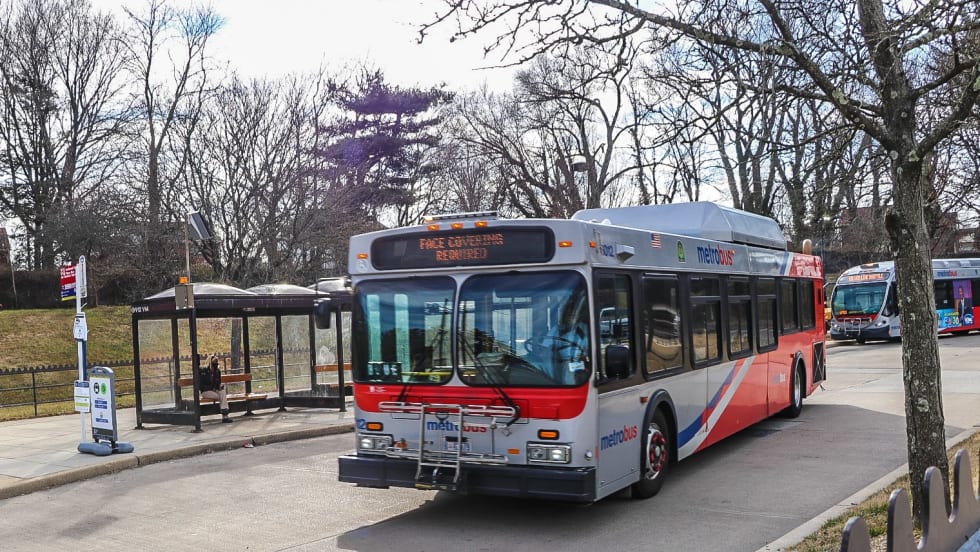
Report: Transit Bus Manufacturing Supports 34,100 Jobs, $5.1B in GDP
The “Buses Mean Business” report examines the transit bus manufacturing industry’s economic footprint, supply chain, and rising demand for vehicle replacements.
Read More →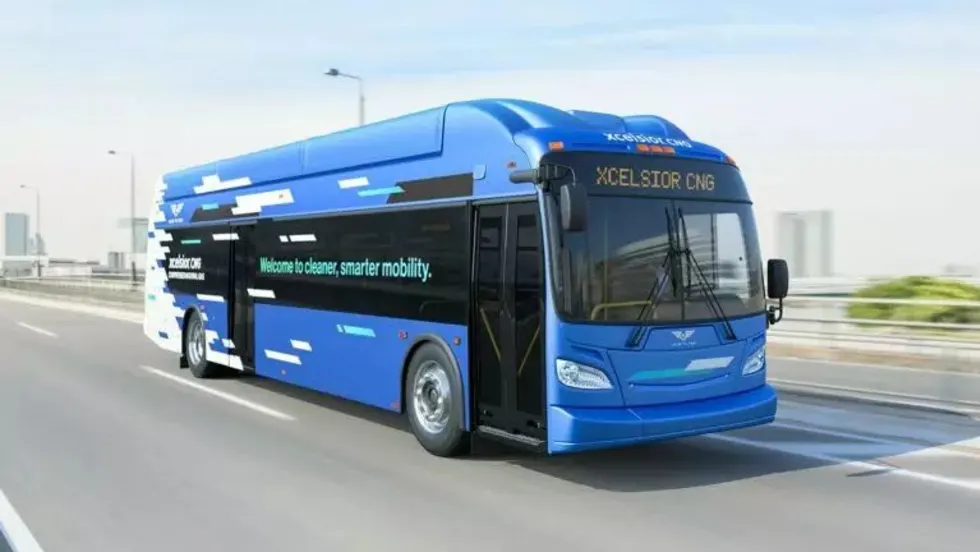
Biz Briefs: New Flyer Delivers in Columbus, Houston, Beep and Freebee Merge, and More
In this edition of Biz Briefs, we spotlight the latest developments shaping the future of mobility.
Read More →
People Movement: Dan Dipert Coaches Adds Third-Generation Leader, Keolis Names New Valley Metro VP/GM, and More
In this edition, we also cover recent appointments and announcements at the Wabtec, SilverRide, HNTB, and more, showcasing the individuals helping to shape the future of transportation.
Read More →
New York MTA Plans Largest Bus Fleet Upgrade in More Than a Decade
The agency is seeking manufacturers for 650 new CNG buses to replace aging vehicles, improve reliability, and advance its broader fleet modernization strategy.
Read More →
Building a Flexible Path to Transit Electrification
John Hroncich discusses BAE Systems’ modular and scalable approach, lessons learned from decades of real-world operations, and how agencies can identify electrification strategies that fit their fleets.
Read More →
Bus Tech Talk: Keeping Transit Technicians Ahead of the Technology Curve
LA Metro’s Obed Mejia discusses technician training, evolving maintenance technology, fleet replacement, and strategies for getting the most out of today’s transit fleets.
Read More →
Biz Briefs: RIPTA Unveils New Frontrunners, Clevland RTA Adds New Siemens, and More
In METRO's latest installment, we take a look at recent news from Siemens, Prevost, Dodge, and more partnerships making headlines across the transportation sector.
Read More →
People Movement: Holly Arnold Joins Transdev and More
In this edition, we also cover recent appointments and announcements at Pace, CamTran, MCI, and more, showcasing the individuals helping to shape the future of transportation.
Read More →
The High Cost of Transit Buses: Industry Leaders Look to Procurement Reform
Transit leaders and policymakers examine how standardized bus designs, streamlined procurement, and predictable funding could help agencies stretch budgets and deliver better service.
Read More →