



Tech Can Change the Face of Non-Emergency Medical Transportation
Soon-to-emerge technologies will optimize processes and bring greater efficiency to the nation’s transportation networks.
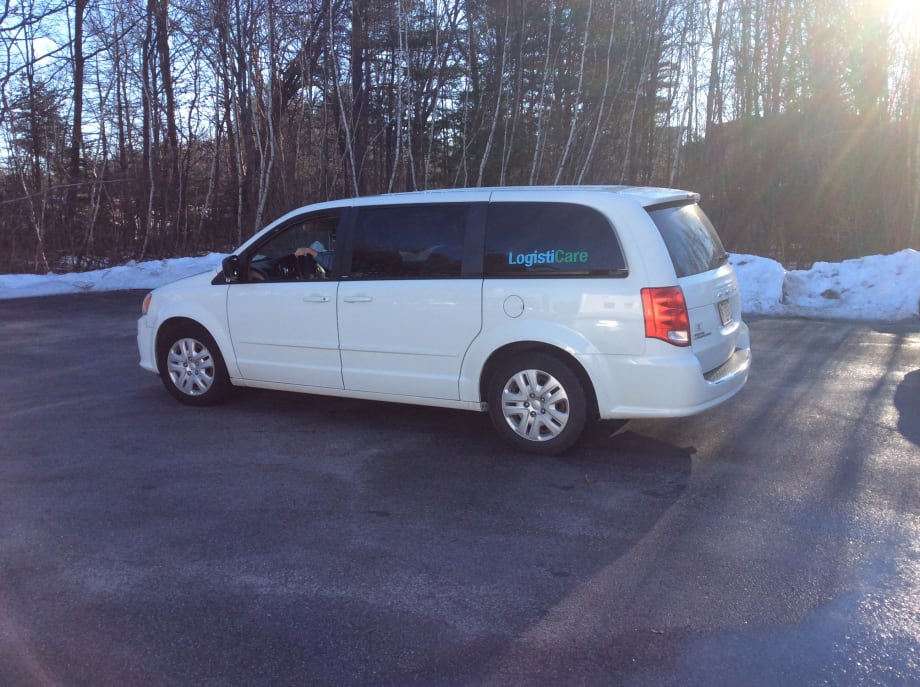
This is an exciting time for NEMT brokers, and it will be interesting to see over the next couple of years just how far this technology will take us and how much accessibility will continue to improve for patients.
LogistiCare

This is an exciting time for NEMT brokers, and it will be interesting to see over the next couple of years just how far this technology will take us and how much accessibility will continue to improve for patients.
LogistiCare
For patients who use non-emergency medical transportation (NEMT) to and from appointments, the experience could significantly improve in terms of accessibility and ease of use in the next couple of years.
It’s not only patients that will benefit. Everyone in the NEMT field can gain from soon-to-emerge technologies that will optimize processes and bring greater efficiency to the nation’s transportation networks. It’s more than just the next phase for NEMT — it’s the industry’s future.
The Case for Tech
Migrating technology toward new capabilities is essential when aiming to improve processes, making a measurable difference for patients as well as transportation and healthcare providers.
Thanks to new technologies, digitally integrated transportation networks are soon to be a reality, enabling automated administration of transportation benefits, simple ride scheduling and trip assignments by call centers, healthcare facilities, case managers, care givers, and patients. Adoption of such advances reduces barriers to healthcare transportation, improving access for people who are often frail and vulnerable — a goal that should always be the focus of companies in this industry.
Doing all we can to clear hurdles for NEMT users is so much more than a model for good business as confirmed by an oft-cited study referenced recently in the New York Times. Patients who can’t get to their medical appointments cost the nation’s healthcare system an estimated $150 billion each year.
The same study, also cited recently by CNBC, noted that at least 3.6 million people miss or delay medical care each year because they lack available or affordable transportation.
An additional study by the Medical Transportation Access Coalition found NEMT to be a cost-effective public-private partnership, assuring the health and wellbeing of millions. It also saves Medicaid and taxpayers more than $40 million per month for every 30,000 patients receiving treatment for one of three conditions covered in the study.
Besides patients, among the biggest beneficiaries of this new experience will be medical facility staff who schedule rides for their patients. They’ll be able to better manage transportation by maintaining constant contact with the NEMT company overseeing the process. Caregivers will benefit for these very same reasons.
How Will This Shift in Technology Look?
For members of NEMT brokers, every ride will be digitized — meaning a complete implementation of GPS tracking for each transport. The brokers’ customer care teams will know exactly when a member is picked up and dropped off by a transportation provider and what happens along the way.
It will give the company visibility into the entire process and provide opportunities for notifying the patient, the care manager, or hospital staff as needed. Through use of an app, members will also be able to rate their interactions and overall trip experiences using one to five stars to denote levels of satisfaction.
Companies using this technology can cut back on fraud, waste, and abuse, because individuals are empowered to report issues with their rides by maintaining constant communication with the company overseeing the transport.
These apps will include features similar to Uber or Lyft in that members can request a ride by swiping and selecting, rather than calling a phone number. Digitizing the process enhances the speed of communication and cuts down on paperwork associated with millions of rides.
Streamlines the Process
It’s notably advantageous from the transportation provider standpoint, as it streamlines the claims process. Perhaps the top game changer is trip optimization, which can then maximize revenue-per-vehicle-hour for transportation providers, while improving service.
Ideally, if transportation providers inform NEMT brokers of their capacity for a given day, that company can optimize assigned routes to enhance on-time patient pickups and dropoffs.
The use of predictive analytics helps make it all possible. As it stands, one of the biggest hurdles in the NEMT field is matching transportation supply with patient demand. If a company doesn’t have an adequate supply in the system when demand peaks, it’s difficult to deploy enough transportation providers to make all necessary pickups in a timely manner.
A fully digitized network is the answer.
This is an exciting time for NEMT brokers, and it will be interesting to see over the next couple of years just how far this technology will take us and how much accessibility will continue to improve for patients.
Neil Singer is chief technology officer for LogistiCare.
More Paratransit
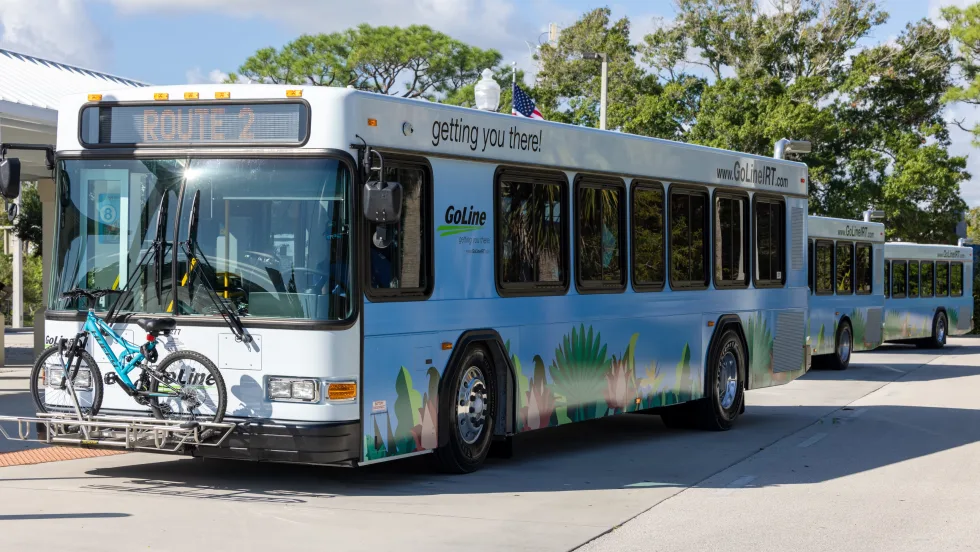
Indian River Transit’s Community-Focused Approach Earns National Recognition
Named APTA’s 2026 Outstanding Public Transportation System in its size category, Florida’s Indian River County transit system continues to grow ridership through fare-free service and a focus on evolving community needs.
Read More →
Everett Transit, Community Transit Outline Consolidation Agreement
The proposed agreement calls for a 50% increase in bus service in Everett, a new microtransit zone, continued paratransit service, and the transfer of Everett Transit operations to Community Transit.
Read More →
Driving Smarter Paratransit
John Hanlon shares how AlphaRoute is leveraging AI-powered technology to help paratransit providers optimize operations, support frontline staff, and enhance the rider experience.
Read More →
People Movement: Dan Dipert Coaches Adds Third-Generation Leader, Keolis Names New Valley Metro VP/GM, and More
In this edition, we also cover recent appointments and announcements at the Wabtec, SilverRide, HNTB, and more, showcasing the individuals helping to shape the future of transportation.
Read More →
Biz Briefs: RIPTA Unveils New Frontrunners, Clevland RTA Adds New Siemens, and More
In METRO's latest installment, we take a look at recent news from Siemens, Prevost, Dodge, and more partnerships making headlines across the transportation sector.
Read More →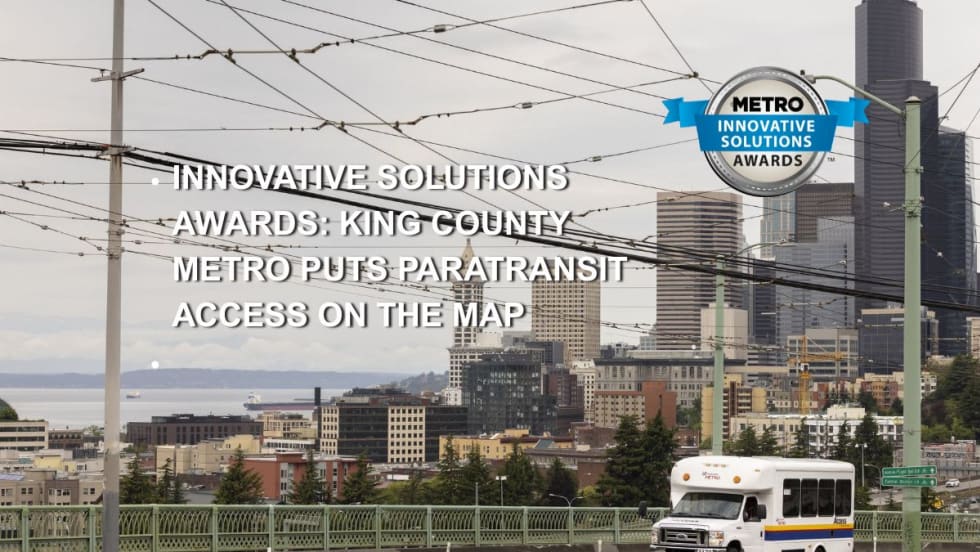
King County Metro Makes ADA Paratransit Easier to Navigate
METRO's Innovative Solutions Award winner replaces complex service-area descriptions with an accessible, interactive map that puts paratransit information directly in customers’ hands.
Read More →
Jacksonville’s NAVI Project Charts a New Course for Autonomous Public Transportation
Through its NAVI program, JTA is showing how autonomous vehicles, intelligent infrastructure, and coordinated operations can work together to deliver everyday public transportation.
Read More →
Driving Smarter Paratransit
John Hanlon shares how AlphaRoute is leveraging AI-powered technology to help paratransit providers optimize operations, support frontline staff, and enhance the rider experience.
Read More →
METRO Magazine Announces 2026 Innovative Solutions Awards Winners
Projects Recognized for Advancing Mobility Through Technology, Accessibility, Workforce Innovation, and Operational Excellence
Read More →
Biz Briefs: STV teams with Amtrak, Motorcoach Operators Boost Fleet and Land Contracts, and More
From manufacturers and suppliers to transit agencies and motorcoach operators, these updates offer a snapshot of the projects, partnerships and business moves driving the industry forward.
Read More →