



Tech Report: Increasing energy efficiency in transportation with ultracapacitors
Ultracapacitors are used in a variety of industries ranging from automotive, rail, truck and bus, amongst others.
Energy storage solutions, for applications, such as for onboard regenerative braking or wayside energy recuperation for railcar propulsion, are gaining traction in the energy-intensive transportation industry. As systems integrators look for new ways to be more energy and cost-efficient, they are increasingly turning to ultracapacitors as the energy storage and power delivery solution for transportation applications.
At first glance, an ultracapacitor, also known as a supercapacitor, may appear similar to a lithium-ion battery in terms of size and shape. However, what makes ultracapacitors different from batteries is the way they charge and store energy. In batteries, a chemical reaction converts stored chemical energy into electrical energy, which then flows out of terminals to power an application. Ultracapacitors, on the other hand, put an electric charge on plates that are separated by an insulator to store energy in an electric field. This allows them to quickly charge and discharge energy to power a variety of applications more reliably than a standard battery.
Bursts of power
Even though batteries and ultracapacitors are different, ultracapacitors can support batteries and other primary energy sources, like fuel cells and combustion engines, in a variety of ways. When paired with a battery, ultracapacitors deliver bursts of energy during times of peak power demands to take the electrical load off the battery and can extend battery life by 20% to 25% in certain transportation applications. Because ultracapacitors can discharge and recharge quickly, they have incredible durability and can perform more than hundreds of thousands charge-and-discharge cycles, leading to less maintenance, lower costs and less waste from dead batteries. They can reliably perform at temperatures ranging from -40 degrees Celsius to 65 degrees Celsius, and efficiently absorb and reuse energy that would have otherwise been lost by inefficient storage systems.
Integration in transportation
Ultracapacitors are used in a variety of industries ranging from automotive, rail, truck and bus, amongst others. One of the main applications of ultracapacitors is in hybrid and electric vehicles to support alternative means of transportation.
In hybrid-electric bus systems, ultracapacitors can provide an alternative energy solution to reduce carbon emissions for cleaner air and increased energy efficiency. Ultracapacitors provide power for the initial acceleration of the bus, so the vehicle can operate on a hybrid engine that is half the size of a traditional diesel engine. They can also improve acceleration performance, increase energy-recapture capability and increase driving range on a single charge. This allows the vehicle to cut down on fuel costs by 25% to 30%, which will pay for the additional cost of the hybrid system.
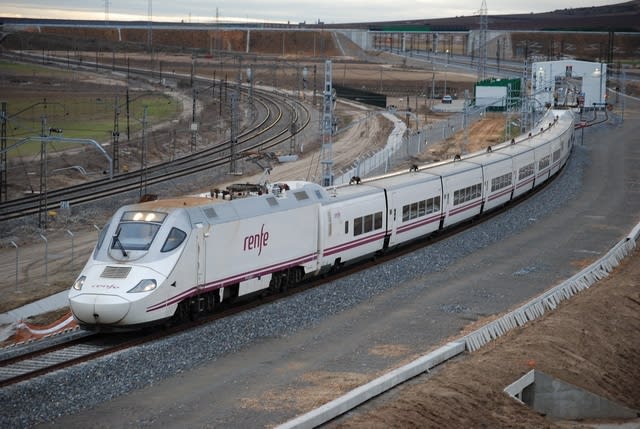
In Cerro Negro, Spain, ultracapacitors are being used in an electric rail system to improve energy efficiency in the country’s public transportation. Win Inertia, an engineering firm specializing in power electronics, energy storage and control, and communication systems, was contracted by the Spanish government’s Administrator of Railway Infrastructures (ADIF) to design and install the hybrid system in an effort to reduce energy waste and increase transportation reliability. Through rapid charge-and-discharge cycles, ultracapacitors in this application are able to recuperate energy as the rail vehicle brakes to power the vehicle’s propulsion, as well as support an electric vehicle charging station at the rail terminal. Ultracapacitors are able to significantly reduce energy waste by converting the kinetic energy from the rail into stored electric energy. In this station, ultracapacitors recover 8% to 10% of the total energy used by the railway system for reuse, creating a more sustainable operation. If the energy recuperated is not enough to completely power the EV charging station, the rail system also integrates a solar photovoltaic system to supply additional energy.
Across the various applications, ultracapacitors offer a green, maintenance-free way to increase reliability of systems to increase energy efficiency. Through their increased adoption, they can help support wider renewable energy efforts and reduce carbon emissions in the transportation industry.
Dr. Kimberly McGrath is director, business development for Maxwell Technologies. Follow Maxwell on Twitter:
@Maxwell_Tech
More Bus

New York MTA Plans Largest Bus Fleet Upgrade in More Than a Decade
The agency is seeking manufacturers for 650 new CNG buses to replace aging vehicles, improve reliability, and advance its broader fleet modernization strategy.
Read More →
Building a Flexible Path to Transit Electrification
John Hroncich discusses BAE Systems’ modular and scalable approach, lessons learned from decades of real-world operations, and how agencies can identify electrification strategies that fit their fleets.
Read More →
Bus Tech Talk: Keeping Transit Technicians Ahead of the Technology Curve
LA Metro’s Obed Mejia discusses technician training, evolving maintenance technology, fleet replacement, and strategies for getting the most out of today’s transit fleets.
Read More →
Biz Briefs: RIPTA Unveils New Frontrunners, Clevland RTA Adds New Siemens, and More
In METRO's latest installment, we take a look at recent news from Siemens, Prevost, Dodge, and more partnerships making headlines across the transportation sector.
Read More →
People Movement: Holly Arnold Joins Transdev and More
In this edition, we also cover recent appointments and announcements at Pace, CamTran, MCI, and more, showcasing the individuals helping to shape the future of transportation.
Read More →
The High Cost of Transit Buses: Industry Leaders Look to Procurement Reform
Transit leaders and policymakers examine how standardized bus designs, streamlined procurement, and predictable funding could help agencies stretch budgets and deliver better service.
Read More →
The Business Voice Behind Public Transportation
As chair of APTA’s Business Members Board of Governors, Ray Melleady explains how more than 850 business members are partnering with transit agencies to advance funding, innovation, and industry-wide collaboration.
Read More →
From Surviving to Thriving: Building Stronger Transportation Organizations
Bus Business Consultants founder Brian Dickson shares lessons on leadership, organizational health, and creating options for long-term success in a changing transportation industry.
Read More →
Finding the ‘Happy Medium’: Optimizing Maintenance Without Sacrificing Reliability
The key to maintenance optimization isn’t doing less work—it’s doing the right work at the right time on the right assets.
Read More →
LA Metro, City of West Hollywood, and Partners Advance Smarter Bus Lane Enforcement
The award-winning partnership combines AI-powered detection with human oversight to improve bus reliability, accessibility, and enforcement efficiency.
Read More →