



Texas transit system pioneers mobile data computers
To handle paratransit communications, Tyler Transit uses wireless electronic tools.

A few years ago, Texas-based Tyler Transit became aware of the fact that its existing paratransit communications system — with manual record keeping, paper manifests and radio dispatching — was not cost-effective and could not adequately serve its expanding customer base. So, in 2003, the organization implemented a mobile computing solution, complete with dispatching software and mobile data computers (MDCs) designed by RouteMatch Software and Mentor Engineering. These wireless devices enable electronic communication between drivers and dispatch, bring automatic vehicle location (AVL) capability onboard and capture driver and vehicle data instantly. “It was either add more vehicles and staff to keep up with demand or install an electronic communication system,” said Norm Schenck, general manager at Tyler Transit. “The latter option was far less expensive. Plus, the technology adds a higher level of data collection accuracy, improves the vehicle environment by cutting down on radio noise and allows for real-time driver manifest updates throughout the day.” According to Schenck, this system more than paid for itself within the first year. “Before we started using the MDCs, we were completing about 80 paratransit trips a day,” he said. “Now, we complete between 130 and 135 trips per day.” With this type of growth, it wasn’t long before Tyler Transit again needed to look at potential ITS solutions to help it keep pace. “Every vehicle does about 42 trips each day, and we needed a mobile computer that was able to store the data captured for each trip, “ said Schenck. The decision was made to upgrade from the MDC to Mentor Ranger®, an in-vehicle mobile computer with a Windows CE operating system and color touch-screen display. The Ranger has a larger storage capacity than the MDC, making it a good fit for Tyler Transit’s paratransit fleet. Moving forward, Tyler Transit plans to pair the Ranger technology with the RouteMatch TS, an advanced transit management system. RouteMatch TS automates customer, vehicle, trip request, trip accounting, scheduling, routing, dispatch management and reporting requirements. Additionally, all MDC installations will be transferred from paratransit buses onto fixed-route vehicles, which currently communicate with dispatch by way of radio. With the MDCs’ built-in GPS receivers, fixed-route dispatchers will be able to see the exact location and status of all vehicles in their care, and send response units to a bus’s precise location in the event of an emergency. By implementing these technologies today, Tyler Transit is laying the groundwork for future growth and interoperability between public service agencies in the city. “The city is embarking on a long-range hazard and security plan that will see information sharing between transit, emergency response, and police agencies,” said Schenck. “AVL information available on our fleet vehicles can be shared with these other organizations, and if there ever is a problem, like a bomb threat on a bus, everyone has access to the same accurate information. There are also plans to tie the onboard software in with passenger counters. That way, when police or fire departments respond to an accident or if a bus has to be evacuated, every passenger is accounted for.”
More Management

ENC Lands MATA Contract and More in Biz Briefs
In this edition of Biz Briefs, we spotlight the latest developments shaping the future of mobility.
Read More →
From Surviving to Thriving: Building Stronger Transportation Organizations
Bus Business Consultants founder Brian Dickson shares lessons on leadership, organizational health, and creating options for long-term success in a changing transportation industry.
Read More →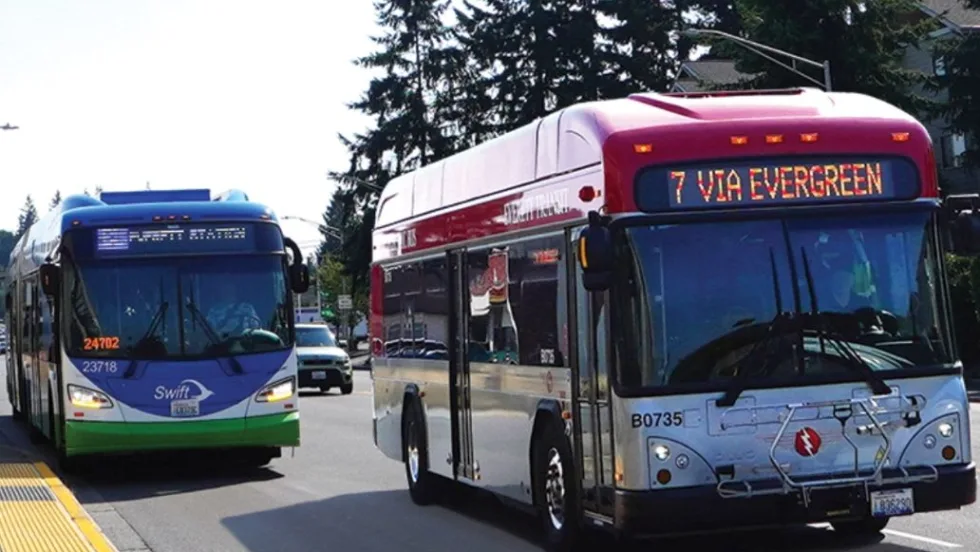
Everett Transit, Community Transit Outline Consolidation Agreement
The proposed agreement calls for a 50% increase in bus service in Everett, a new microtransit zone, continued paratransit service, and the transfer of Everett Transit operations to Community Transit.
Read More →
Strada360’s Steve Lassey on Turning Transit Data Into Better Decisions
From breaking down data silos to preparing for AI, Strada360 CEO Steve Lassey discusses how transit agencies can use technology to improve operations, customer information, and long-term decision-making.
Read More →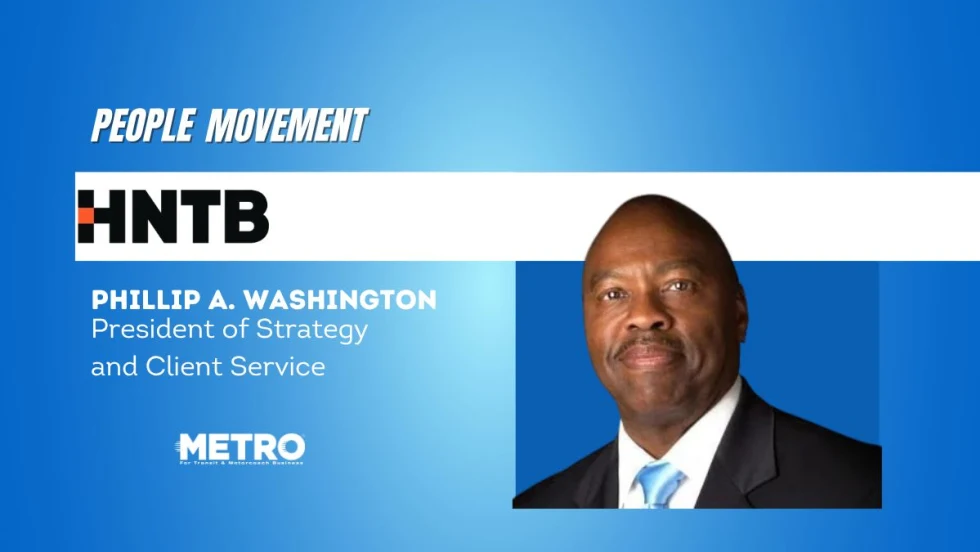
People Movement: Phil Washington Joins HNTB, Denver RTD Launches CEO Search, and More
In this edition, we also spotlight recent personnel moves at STV, the Eno Center for Transportation, and more, highlighting the people taking on new roles across the transportation industry.
Read More →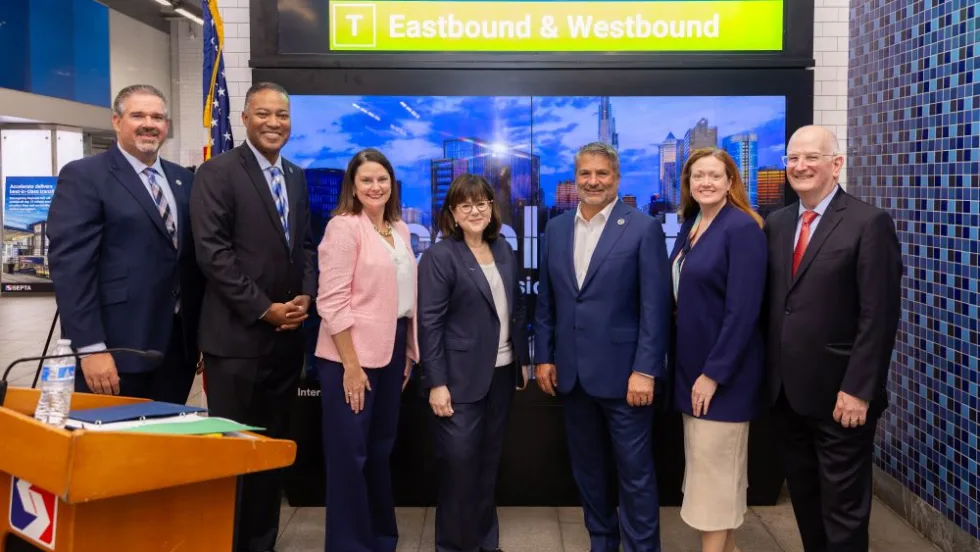
SEPTA Details Accelerate Vision for Transit System
The plan outlines investments in trolley modernization, new Metro and Regional Rail vehicles, accessible stations, and more frequent bus and rail service.
Read More →
FTA Ends Direct Oversight of MBTA Safety Actions
The federal agency closed its remaining special directive to the Massachusetts Department of Public Utilities following a safety review that began in 2022.
Read More →
Report: Transit Bus Manufacturing Supports 34,100 Jobs, $5.1B in GDP
The “Buses Mean Business” report examines the transit bus manufacturing industry’s economic footprint, supply chain, and rising demand for vehicle replacements.
Read More →
LIT Marks 10-Year Milestone at Annual Summit
Hosted by the COTA from September 10 to 13, the Summit carried the theme “Celebrating 10 Years of Excellence, Leadership, and Impact,” with every part of the program honoring the people, agencies, and partners who built LIT over its first decade.
Read More →
People Movement: Dan Dipert Coaches Adds Third-Generation Leader, Keolis Names New Valley Metro VP/GM, and More
In this edition, we also cover recent appointments and announcements at the Wabtec, SilverRide, HNTB, and more, showcasing the individuals helping to shape the future of transportation.
Read More →