



Tracking of hours-of-service violators proposed
Industry-wide use of EOBR's would be encouraged with incentives for voluntary use.
Bus and truck companies with a history of serious hours-of-service (HOS) violations may be required to install electronic on-board recorders in all of their commercial vehicles for a minimum of two years, per a new proposed rule by the Federal Motor Carrier Safety Administration (FMCSA).
Industry-wide use of electronic on-board recorders (EOBR) would be encouraged with incentives for voluntary use, said FMCSA Administrator John H. Hill.
The proposal would require EOBRs to record basic information needed to track a driver’s duty status, including identity of the driver, duty status, time and location of the commercial vehicle and distance traveled.
Companies would also be required to use global positioning technology or other location tracking systems to reduce the likelihood of falsification of HOS information.
If adopted, an estimated 930 carriers with a total of 17,500 drivers would be required to use EOBRs within the first two years that the rule is enforced, according to the FMCSA.
The full Notice of Proposed Rulemaking was published in the Federal Register on Jan. 18, 2007, and public comments will be accepted until April 18, 2007. To request a copy of the notice, e-mail news@fmcsa.dot.gov.
More Management

Canada’s Public Transit Supports $65.6 Billion in Annual GDP
New research from the Canadian Chamber of Commerce examines transit's economic contributions, including job creation and the financial implications of transportation investment.
Read More →
Pierce Transit Moves to Expand Fleet Following Proposition 1 Approval
The agency authorized the purchase or refurbishment of up to 60 buses to support a 47% service expansion, as voters nationwide approved billions in new transit funding.
Read More →
Right-Sizing Rural Transit: Lessons from North Grenville’s On-Demand Model
A small municipality shows how flexible service, rider needs, and public accountability can expand mobility with limited resources.
Read More →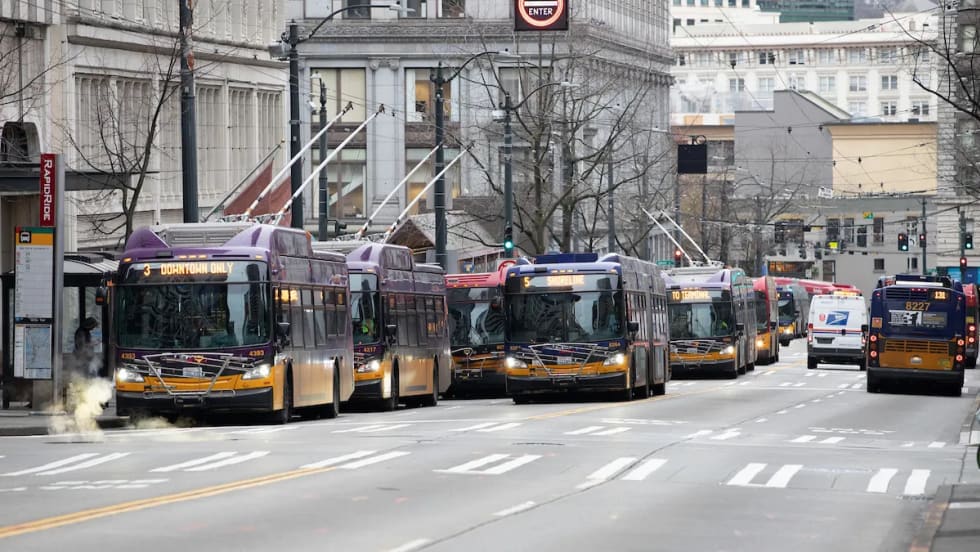
Transit Ballot Victories Signal Strong Voter Support: What Comes Next?
Voters approved billions in public transportation investments in 2026, giving agencies opportunities to preserve service, expand operations, and strengthen regional connections amid a changing political landscape.
Read More →
Transit Expands Agency Partnerships, Reaching 200 Official App Partners
COO Jake Sion discusses Transit’s growth, the success of its Transit Royale program, and how technology is helping agencies improve the rider experience.
Read More →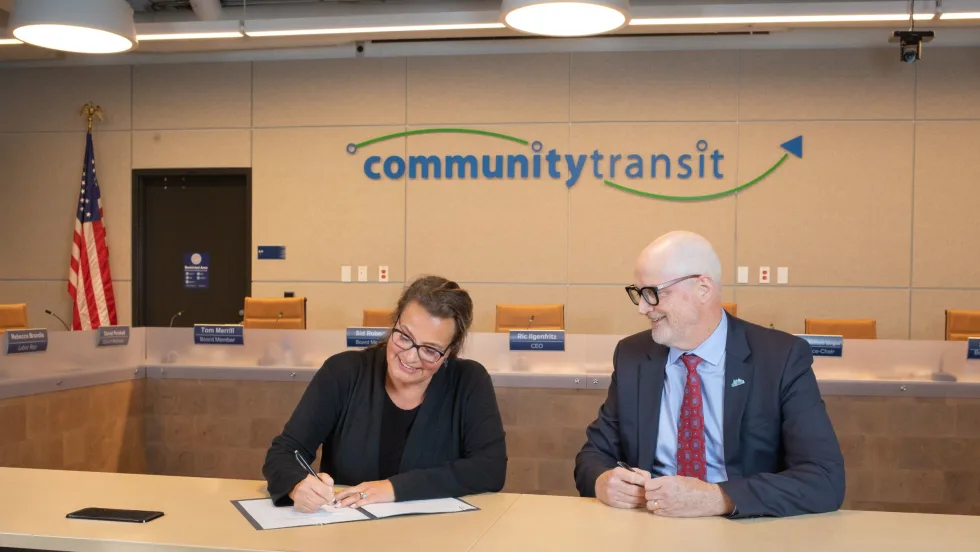
Everett Transit, Community Transit Approve Consolidation of Services
The agreement will bring Everett Transit into Community Transit’s network in April 2027, with plans to increase bus service by 50% by 2031 and expand regional connections.
Read More →
NITA Proposes $5B Operating Budget, $9.7B Capital Program for 2027
The proposed budget includes funding for expanded transit service, safety initiatives, fleet upgrades, and infrastructure improvements across CTA, Metra, and Pace.
Read More →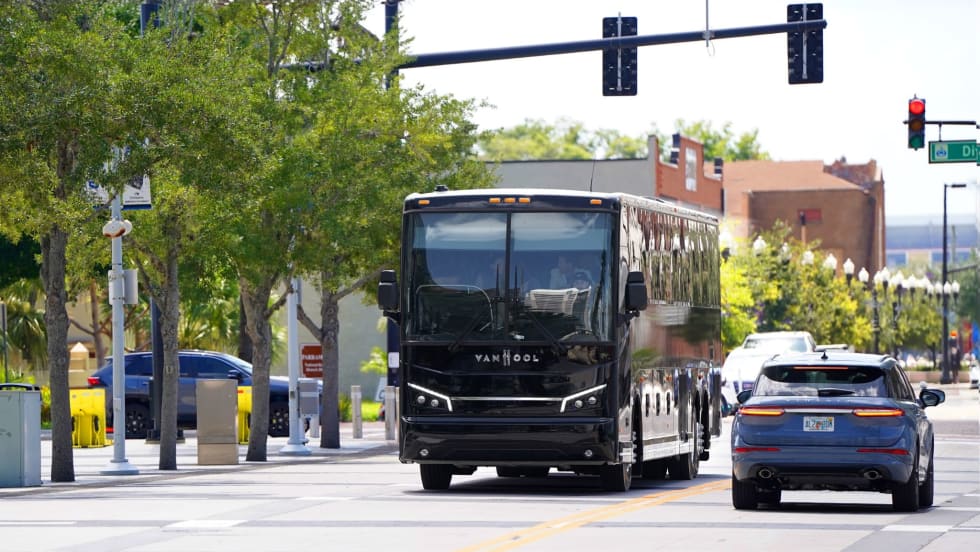
Financing, Fleet Replacement Requires a More Strategic Approach
Executives from ABC Companies and MCI discuss how rising costs, changing market conditions, and post-pandemic challenges are prompting motorcoach operators to rethink financing strategies, fleet replacement cycles, and long-term planning.
Read More →
Bringing Austin’s First Light Rail System to Life
Austin Transit Partnership CEO Greg Canally discusses the city's nearly 10-mile light rail project, its collaborative approach to project delivery, the importance of community engagement, and the milestones ahead as construction approaches in 2027.
Read More →
ETA CEO John Maglio on Transit Technology, Innovation, and Building Agency Trust
ETA founder and CEO John Maglio explores the evolution of transit technology, the importance of reliable systems, and how stronger partnerships can help agencies improve operations and the passenger experience.
Read More →