



TransLink’s MyWork Program Sets New Standard in Operations Innovation
TransLink and its subsidiary Coast Mountain Bus Company along with GIRO is a 2025 Innovative Solutions Award winner in the category of Operational Efficiency.

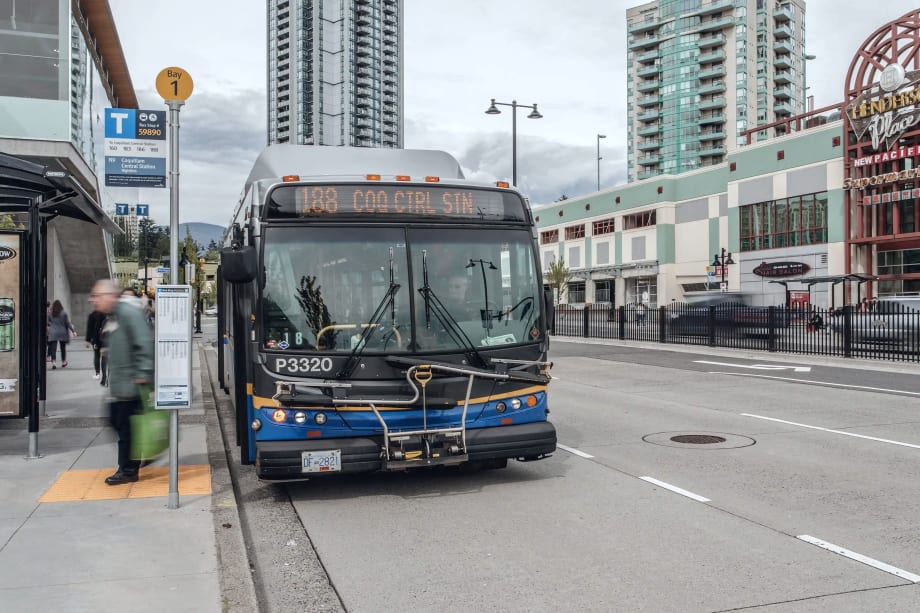
The MyWork Program was conceived as a response to a mounting operational need: replacing CMBC’s aging dispatch and timekeeping system, which had become a barrier to efficiency and scalability.
Photo: TransLink
- TransLink and Coast Mountain Bus Company, in collaboration with GIRO, have been recognized with the 2025 Innovative Solutions Award.
- The award specifically acknowledges their excellence in the category of Operational Efficiency.
- This recognition highlights the success of TransLink's MyWork program in setting new standards in operations innovation.
*Summarized by AI
When Vancouver’s TransLink and its subsidiary Coast Mountain Bus Company (CMBC) accepted the Innovative Solutions Award for Operational Efficiency from METRO Magazine, the win was more than a recognition of GIRO's technology. It was a milestone representing years of collaboration, transformation, and a culture of innovation deeply embedded in the agency's DNA.
“We’re thrilled to receive this award,” said Donald Palmer, VP, operations, at CMBC. “It’s an incredible honor that validates the vision, dedication, and collaborative spirit behind the MyWork Program. From IT specialists to depot coordinators, our cross-functional teams poured themselves into this initiative, and this recognition affirms that the effort was worth it. It’s not just a technological achievement, it’s a cultural shift in how we approach modern transit operations.”
The Genesis of MyWork
The MyWork Program was conceived as a response to a mounting operational need: replacing CMBC’s aging dispatch and timekeeping system, which had become a barrier to efficiency and scalability.
“We needed a platform that could not only replicate our existing capabilities, but also introduce modern, user-friendly features to support digital transformation,” explained Palmer.
From day one, the objective was clear: build a system that would streamline work assignments, automate overtime roll calls, and introduce digital job-trade boards, all while providing a seamless user experience.
The program, which aligns with TransLink’s broader Enterprise Digital Strategy, delivered on that promise. Since implementation, the average time required to complete the daily roll call has dropped by 70% across all depots, leading to significant gains in operational efficiency and cost control.
But the transformation wasn't just behind the scenes. With MyWork, over 3,500 CMBC operators gained new self-service capabilities, allowing them to access schedules, submit work preferences, and manage records remotely.
“This flexibility has been a game-changer, especially for those living far from their home depot,” said Shirley Samujh-Dayal, director, operations, at CMBC. “It’s improved morale, reduced unplanned absences, and significantly lessened our reliance on overtime to cover vacant shifts.”
In line with TransLink’s TravelSmart initiative, the platform supports environmental goals by reducing unnecessary vehicle trips, further positioning the agency as one of Canada’s greenest employers.
Building Through Partnership
The collaboration between CMBC, TransLink’s Business Technology Services (BTS), and GIRO, the software company behind HASTUS, was critical to the program's success.
“This wasn’t a traditional vendor-client relationship; it was a true partnership,” said Kurt Pregler, chief information officer (CIO) at TransLink. “CMBC brought deep operational expertise. BTS provided governance, transformation, and technical leadership. And GIRO co-developed features tailored to our needs.”
Every level of the organization contributed, from executive sponsorship to frontline engagement. CMBC leaders worked closely with the union to ensure operational alignment, while BTS ensured seamless integration into TransLink’s broader IT ecosystem.
GIRO’s role was especially pivotal; they tailored HASTUS to CMBC’s practical needs and incorporated leading-edge functionalities like the Sign-Up Relief Calculation Tool, which has reduced a multi-hour task to just minutes.
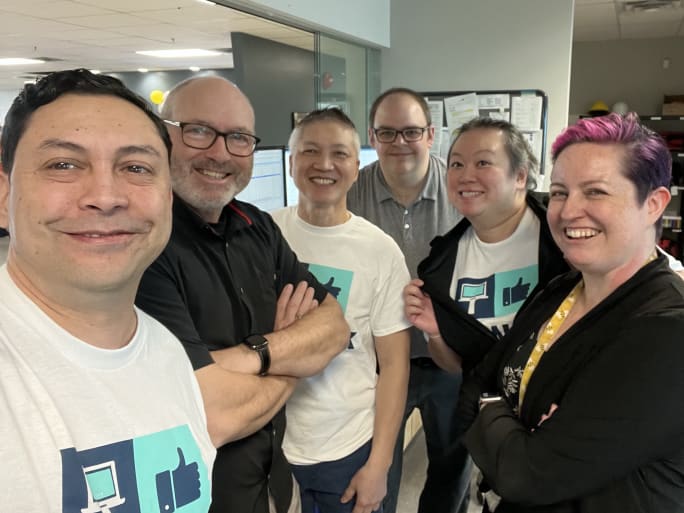
CMBC officials say the Innovative Solutions Award win was a milestone representing years of collaboration, transformation, and a culture of innovation deeply embedded in the agency's DNA.
Photo: TransLink
Navigating Complexity with Precision
Implementing MyWork meant translating decades of complex dispatch and pay rules — many rooted in long-standing collective agreements — into precise technical logic.
“This was one of the most technically challenging aspects of the program,” said Osama Aziz, director, business technology services (BTS) at TransLink. “Our goal was zero errors in pay or work assignments, even as we navigated the ratification of two new agreements during development.”
The team deployed an exhaustive, multi-phase testing process to meet that goal, including more than 20,000 test cases and months of parallel runs with CMBC’s legacy system.
The result? A flawless go-live with zero reported pay calculation errors more than a year after deployment — an extraordinary achievement for a project of this scope and scale.
A Model for the Future
The success of MyWork is already influencing other transit agencies. This rollout featured an implementation of HASTUS hosted entirely on TransLink's private cloud. This initiative now serves as a model for other agencies considering implementing similar solutions hosted in their own cloud.
“The lessons learned from adapting to CMBC’s complex operational environment are transferable,” said Aziz. “This project demonstrated what’s possible when technology meets operational insight.”
Looking ahead, TransLink has plans to expand MyWork’s functionality even further. Upcoming enhancements with HASTUS include the roll out of paperless bidding, automated dispatch, and annual vacation bidding, creating a seamless user experience across work and leave scheduling.
“MyWork has redefined what’s possible in workforce management,” summarized Palmer. “It has empowered our operators, streamlined our operations, and positioned us for a future where transit isn’t just reliable, it’s intelligent, agile, and rider-focused.”
With its blend of innovation, partnership, and strategic vision, the MyWork Program sets a new standard for digital transformation and offers a blueprint for the next generation of smart transit agencies.
Quick Answers
The MyWork program is led by TransLink and its subsidiary, Coast Mountain Bus Company, in collaboration with GIRO.
*Summarized by AI
More Technology

From Hardware to Digital Partner: Luminator Charts Its Next Chapter
CEO Magnus Friberg discusses Luminator’s shift toward becoming a digital partner, the growing importance of software and interoperability, and how AI can help agencies improve operations and passenger experience.
Read More →
Beyond the Checklist: A Structured Approach to Transit Maintenance
Reliability-Centered Maintenance helps transit agencies move beyond routine checklists to focus limited resources on the assets and failures that have the greatest impact on safety, reliability, and service.
Read More →
NJ TRANSIT Advances Bus Technology Upgrades Across Statewide Fleet
More than 1,500 buses now feature upgraded technology designed to improve arrival predictions and provide free Wi-Fi, with deployment expected to reach nearly 2,000 buses by the end of 2026.
Read More →

Building a Flexible Path to Transit Electrification
John Hroncich discusses BAE Systems’ modular and scalable approach, lessons learned from decades of real-world operations, and how agencies can identify electrification strategies that fit their fleets.
Read More →
Biz Briefs: Alstom Lands Canadian Contract, LYT to Supply California TSP, and More
In METRO's latest installment, we take a look at recent news from Complete Coach Works, Beep, FlixBus, and more partnerships making headlines across the transportation sector.
Read More →
From Legacy Silos to Conversational Intelligence
What if transit leaders could ask any operational question and get a trusted answer in seconds? Conversational AI is transforming how agencies use their data.
Read More →
USDOT Announces Rail Vehicle Replacement Grants, Chattanooga AV Shuttle Funding
More than $191 million in federal funding will help three transit agencies replace aging rail vehicles and support a new autonomous shuttle service in Chattanooga.
Read More →
Bus Tech Talk: Keeping Transit Technicians Ahead of the Technology Curve
LA Metro’s Obed Mejia discusses technician training, evolving maintenance technology, fleet replacement, and strategies for getting the most out of today’s transit fleets.
Read More →
Biz Briefs: RIPTA Unveils New Frontrunners, Clevland RTA Adds New Siemens, and More
In METRO's latest installment, we take a look at recent news from Siemens, Prevost, Dodge, and more partnerships making headlines across the transportation sector.
Read More →
Why Simulating Pedestrian Movement Has Become Essential for Modern Rail Stations
Pedestrian microsimulation is helping rail planners identify bottlenecks, test station designs, and prepare complex transit hubs for growing passenger volumes.
Read More →