Paratransit’s role is shifting amongst communities investing in new mobility solutions, delivering huge cost savings for cities and quality of life improvements for riders.
by Yannis Simaiakis
November 18, 2021
Modernizing an old system takes time, but with advanced software that includes several key features, transit agencies can easily customize services tailored to the specific needs of the disabilities community — whether through pre-scheduled or on-demand microtransit.
Photo: Via
4 min to read
As a large and growing body of research indicates, public transportation can have significant equity impacts. By providing affordable and easy connections to jobs, schools, and services, cities are offering a “ladder of opportunity” for citizens.
Accessible transportation for the disability community has always been a part of the equity picture, and one that has only gained further relevance in recent years. Though legislation like the Americans with Disabilities Act (ADA) and efforts of many organizations around the globe have revolutionized accessible transportation, taking monumental steps toward creating greater equity for the disability community, outcomes have been mixed.
Ad Loading...
Now, 30 years later after ADA went into effect, many transit systems are still not close to being fully accessible, and the rigidity of most paratransit systems has made it challenging to build truly inclusive services. For millions of people reliant on paratransit, waiting outside for a trip booked days ago with no way to track the status of where that vehicle is and when it will arrive is an all-too-common experience.
However, the last few years have seen a rapid development of new and innovative technology that rethinks the current approaches to paratransit and ensures that people with disabilities have the tools they need to live independently, provide for their financial needs, and enjoy equal opportunity.
The answer lies in TransitTech, tech-enabled solutions that are addressing today’s thorniest public transportation challenges. It can be leveraged in the paratransit world to build smart, transparent transportation systems capable of providing truly equitable service across an entire population. Best of all, this can be done cost-effectively for the transit agencies responsible for delivering services, ensuring that the benefits can reach riders in every corner of the U.S.
In addition to leveraging accessible TransitTech for their own riders, transit agencies can also encourage federal and state policymakers to incentivize the use of such technology across the nation.
Photo: Via
An Integrated, Accessible Experience
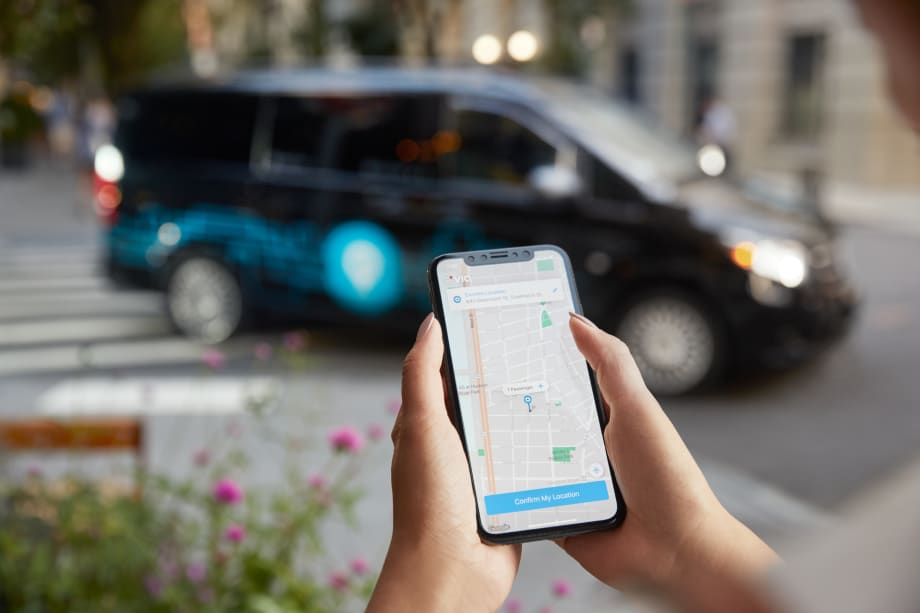
Take Green Bay Metro (GBM), the transportation agency operating in Green Bay, Wis., as an example. Serving a community of 200,000-plus residents, GBM upgraded their previous paratransit network with TransitTech in a partnership with Via. In addition to calling an operator to book a trip as before, riders now have the flexibility to schedule in-app or through the web portal, where they can see real-time updates on the vehicle location or estimated arrival time.
All these new features significantly improve riders’ experience, which in turn benefits the transit agency by generating more positive passengers’ feedback and ensuring compliance.
Ad Loading...
As one of the paratransit riders in Green Bay says, “[This app] will give me the tools to know where my ride is — I love that I get an ETA, which has been spot on.”
In August 2020, GBM introduced a microtransit service by leveraging its spare paratransit fleet vehicles. With both services sharing the same 12 accessible vehicles, GBM’s “commingled” microtransit and paratransit service offers more flexible transportation options for riders of all abilities.
Data reveals the overwhelming progress the new tech-enabled service has brought: It increases on-time performance by 7%, ensuring 98% of trips were punctual. Meanwhile, GBM hasn’t missed a single trip since launch.
A robust set of access features allow riders to specify their disability type and pass this information onto the driver through an automated process. Drivers receive additional training in how best to accommodate the needs of these riders in both the paratransit and microtransit services — for example, by phoning a visually impaired rider when arriving at a pickup location to assist in getting them on board.
For millions of people reliant on paratransit, waiting outside for a trip booked days ago with no way to track the status of where that vehicle is and when it will arrive is an all-too-common experience.
Photo: Via
A Solution Starts with A Few Key Features
Modernizing an old system takes time, but with advanced software that includes several key features, transit agencies can easily customize services tailored to the specific needs of the disabilities community — whether through pre-scheduled or on-demand microtransit.
Ad Loading...
These innovative features provide a solid base for transit agencies to reduce operating costs, while at the same time deliver a vastly improved rider experience:
Automated scheduling, dispatching, and ride assignment optimization.
Routing powered by advanced algorithms, not by guesswork or pen-and-paper directions.
A diverse assortment of convenient and accessible booking options. This should include mobile apps, call centers, and web booking.
Pass through information (and training) for drivers that empowers drivers to support the unique needs of their passengers.
Accelerating the Path to Equitable Access
In addition to leveraging accessible TransitTech for their own riders, transit agencies can also encourage federal and state policymakers to incentivize the use of such technology across the nation. Some advocacy groups and private technology companies can help to increase support for grant opportunities that prioritize technological solutions.
Developing integrated, tech-forward transit systems improves operational efficiency and fleet management — delivering flexible and innovative transportation for the disabilities community.
About the Author: Yannis Simaiakis is GM, Paratransit, at Via.
In this edition, we also cover recent appointments and announcements at the Wabtec, SilverRide, HNTB, and more, showcasing the individuals helping to shape the future of transportation.
In METRO's latest installment, we take a look at recent news from Siemens, Prevost, Dodge, and more partnerships making headlines across the transportation sector.
METRO's Innovative Solutions Award winner replaces complex service-area descriptions with an accessible, interactive map that puts paratransit information directly in customers’ hands.
Through its NAVI program, JTA is showing how autonomous vehicles, intelligent infrastructure, and coordinated operations can work together to deliver everyday public transportation.
John Hanlon shares how AlphaRoute is leveraging AI-powered technology to help paratransit providers optimize operations, support frontline staff, and enhance the rider experience.
From manufacturers and suppliers to transit agencies and motorcoach operators, these updates offer a snapshot of the projects, partnerships and business moves driving the industry forward.
In METRO's latest installment, we take a look at recent news from Transdev, Hitachi, and more partnerships making headlines across the transportation sector.
Accessibility enhancements at Nevins St Station will be financed through a development agreement tied to the MTA's Zoning for Accessibility initiative.
Transit leaders need to know what needs fixing, where to look, who is responsible, when work is completed, and what it costs without having to chase information across disconnected systems.