



UV device irradiates bus, rail microorganisms
New technology kills airborne germs on transit vehicles, saves money and improves heatlth.

A new device available to public transit agencies uses an ultraviolet (UV) light source to eliminate harmful biological elements, odors and bacterial and viral growths in bus and train air conditioning and ventilation systems. This germicidal UV technology, developed and licensed by a partnership between JKA Co. of Venice, Fla., and Steril-Aire in Cerritos, Calif., has been piloted by several transit properties and given favorable reviews. Houston’s Metropolitan Transit Authority of Harris County (METRO) and Miami-Dade Transit have both completed 18-month pilot programs for buses and have reported positive results. John Franks, senior director of bus maintenance for METRO, said the technology has been positive for employee health conditions and could also contribute to ridership increases. “We are currently researching monies for retrofits, and we have included this system in specifications for new buses,” he said. Essentially, the device, called the Clean Air System, uses rays from UV lamps to irradiate microorganisms such as bacteria, fungi, viruses and other potentially dangerous biological material, rendering them unable to reproduce. The UV light kills the agents responsible for colds, flu, hepatitis, fungus, algae and even biological terror weapons. The implications are widespread. During pilot programs, employee respiratory problems showed improvement, and the number of cut and scrape infections among maintenance workers decreased. The technology is also thought to be responsible for decreasing employee sickness and reducing absenteeism; protecting against unpleasant smells on buses and trains; and saving money on air conditioning maintenance. There may be other benefits, too. “We are gathering more data, but at this time, we feel there is a savings in fuel economy,” Franks said. Head pressure of the air conditioning system was lowered, which over the long term leads to efficient operation and longer lasting components, Franks added. The Metropolitan Atlanta Rapid Transit Authority (MARTA) is also testing the device in a rail application. Results of MARTA’s pilot program have not been released.
More Management
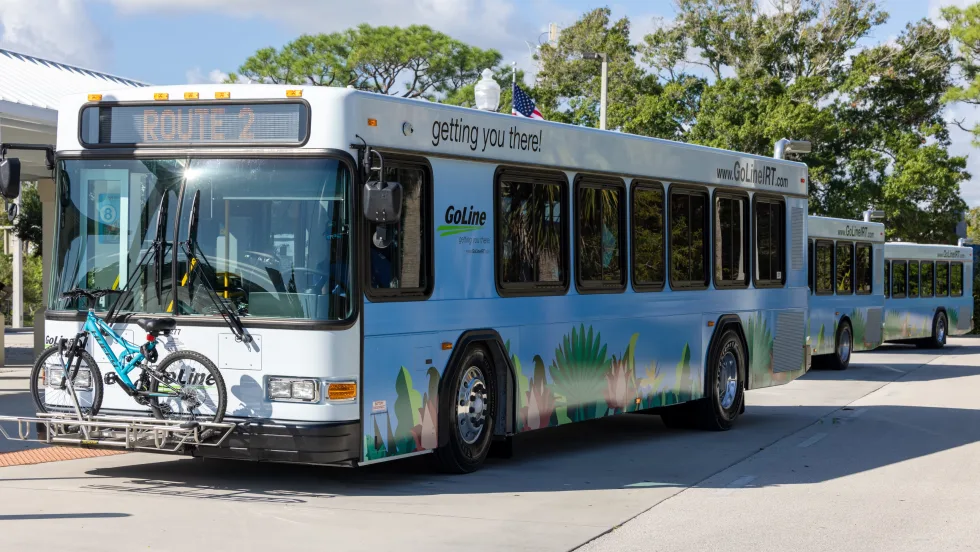
Indian River Transit’s Community-Focused Approach Earns National Recognition
Named APTA’s 2026 Outstanding Public Transportation System in its size category, Florida’s Indian River County transit system continues to grow ridership through fare-free service and a focus on evolving community needs.
Read More →
ENC Lands MATA Contract and More in Biz Briefs
In this edition of Biz Briefs, we spotlight the latest developments shaping the future of mobility.
Read More →
From Surviving to Thriving: Building Stronger Transportation Organizations
Bus Business Consultants founder Brian Dickson shares lessons on leadership, organizational health, and creating options for long-term success in a changing transportation industry.
Read More →

Everett Transit, Community Transit Outline Consolidation Agreement
The proposed agreement calls for a 50% increase in bus service in Everett, a new microtransit zone, continued paratransit service, and the transfer of Everett Transit operations to Community Transit.
Read More →
Strada360’s Steve Lassey on Turning Transit Data Into Better Decisions
From breaking down data silos to preparing for AI, Strada360 CEO Steve Lassey discusses how transit agencies can use technology to improve operations, customer information, and long-term decision-making.
Read More →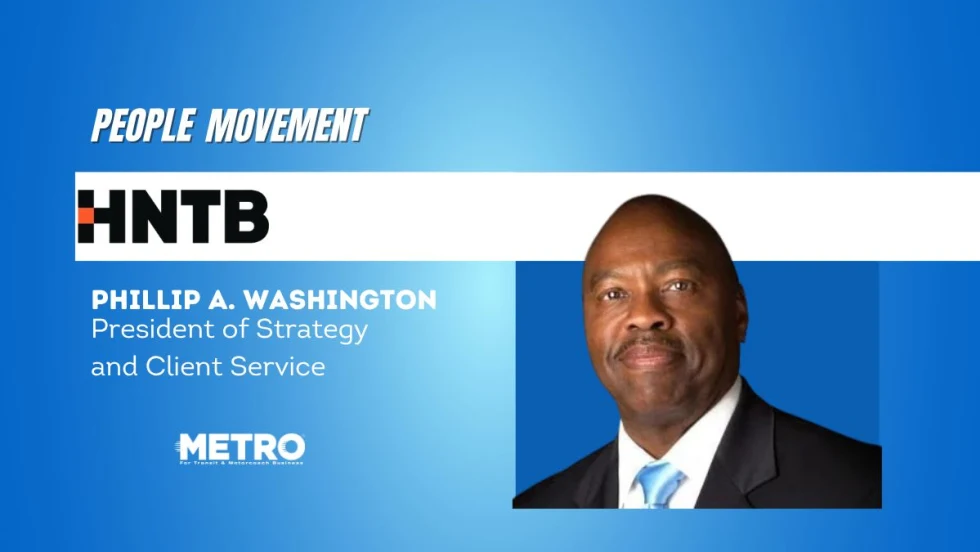
People Movement: Phil Washington Joins HNTB, Denver RTD Launches CEO Search, and More
In this edition, we also spotlight recent personnel moves at STV, the Eno Center for Transportation, and more, highlighting the people taking on new roles across the transportation industry.
Read More →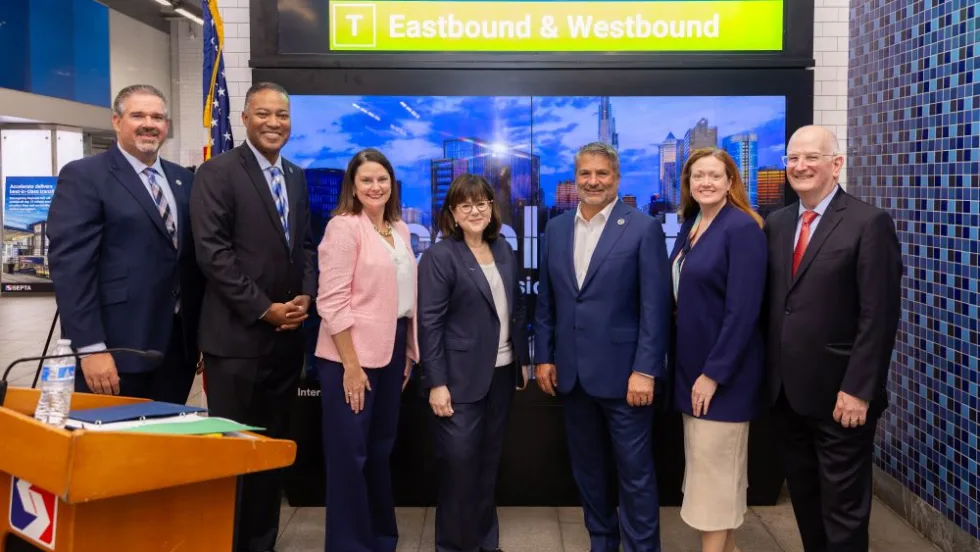
SEPTA Details Accelerate Vision for Transit System
The plan outlines investments in trolley modernization, new Metro and Regional Rail vehicles, accessible stations, and more frequent bus and rail service.
Read More →
FTA Ends Direct Oversight of MBTA Safety Actions
The federal agency closed its remaining special directive to the Massachusetts Department of Public Utilities following a safety review that began in 2022.
Read More →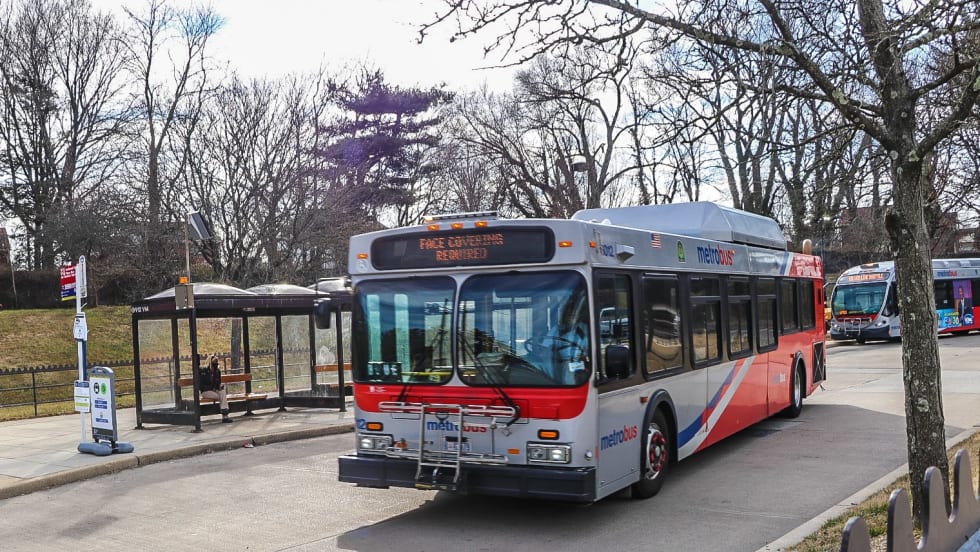
Report: Transit Bus Manufacturing Supports 34,100 Jobs, $5.1B in GDP
The “Buses Mean Business” report examines the transit bus manufacturing industry’s economic footprint, supply chain, and rising demand for vehicle replacements.
Read More →
LIT Marks 10-Year Milestone at Annual Summit
Hosted by the COTA from September 10 to 13, the Summit carried the theme “Celebrating 10 Years of Excellence, Leadership, and Impact,” with every part of the program honoring the people, agencies, and partners who built LIT over its first decade.
Read More →