
Metro Magazine

 MENU
MENU SEARCHMENUSEARCH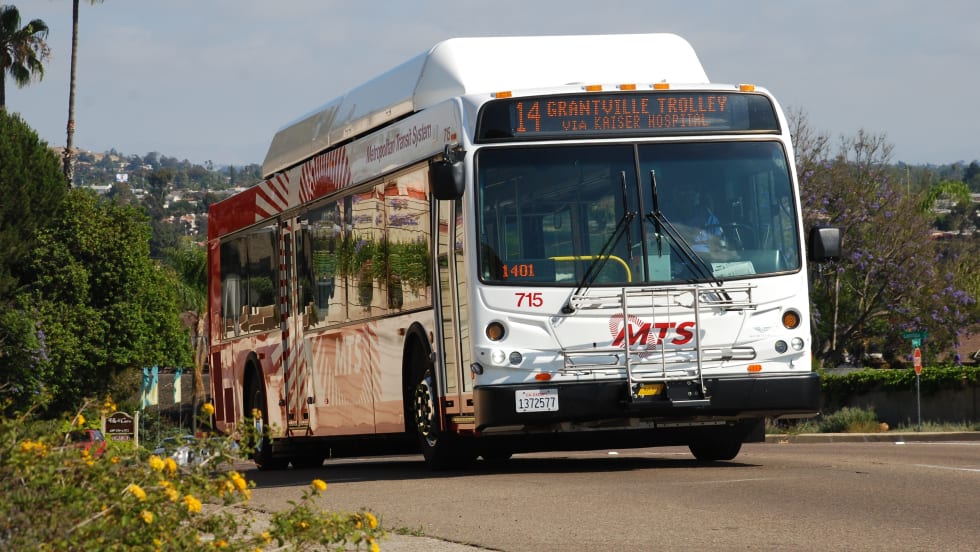
Alternatively-propelled vehicles total 16,434 and make up 25% of the fleet totals reported for 2013, with natural gas leading the way.
Read More →
Conventional wisdom figures that transit agencies would naturally lean toward sustainability. After all, getting people out of their cars and reducing their carbon footprint is a major selling point to many massive public works projects, especially in congested regions with progressive constituencies.
Read More →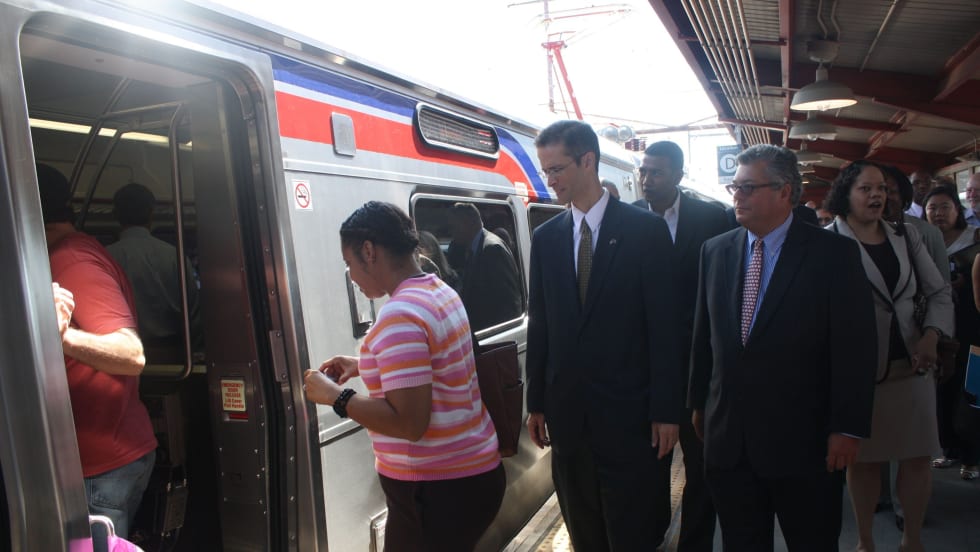
@SEPTA_Social’s major advantage as a customer service tool is that agents can use it to talk to many people at once, as opposed to phone calls and emails which can only help one customer at a time.
Read More →
The two-year MAX pilot program is being funded through three local partners as well as an FTA Job Access and Reverse Commute grant.
Read More →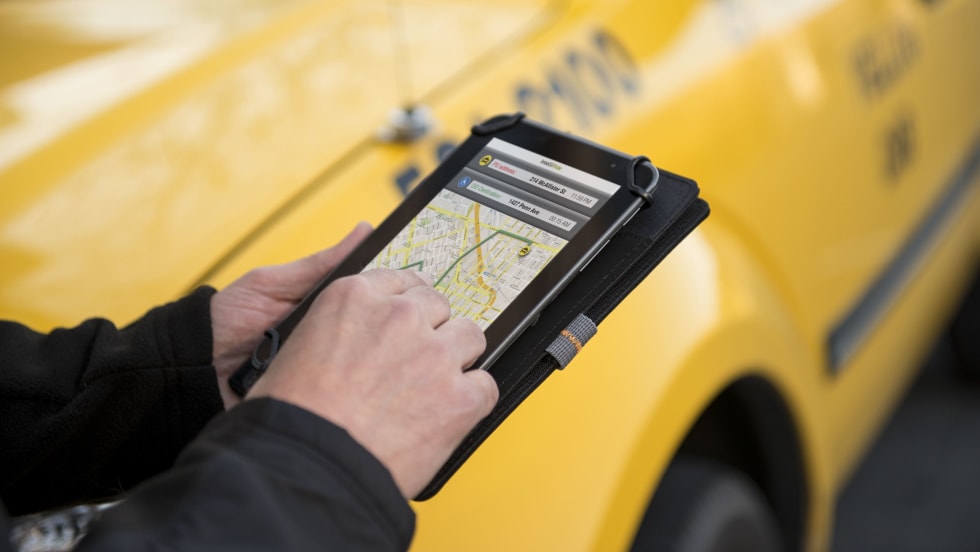
Tablet use is not only rising in the general public, paratransit and human service transportation are also taking advantage of the convenience of the mobile devices.
Read More →
Access Services has used several taxi companies over the years, each meeting its standards for driver training, a background in sensitivity to working with customers with disabilities, and maintenance and upkeep of the vehicles.
Read More →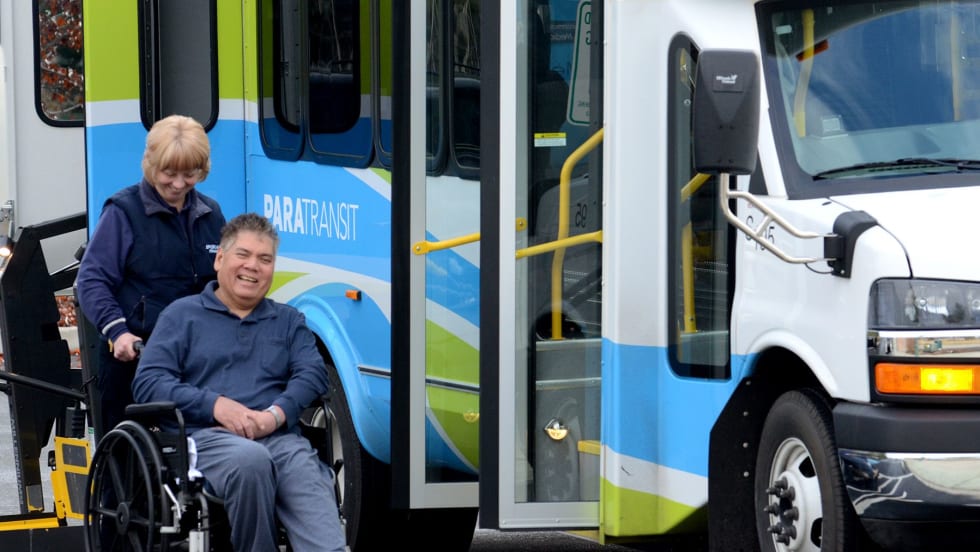
Forty percent cite these factors as their top daily obstacles. Meanwhile, ridership continues to rise, with two-thirds of operators reporting increases.
Read More →
Operators can help make the streets safe for all by being more aware of pedestrians and proceeding with caution.
Read More →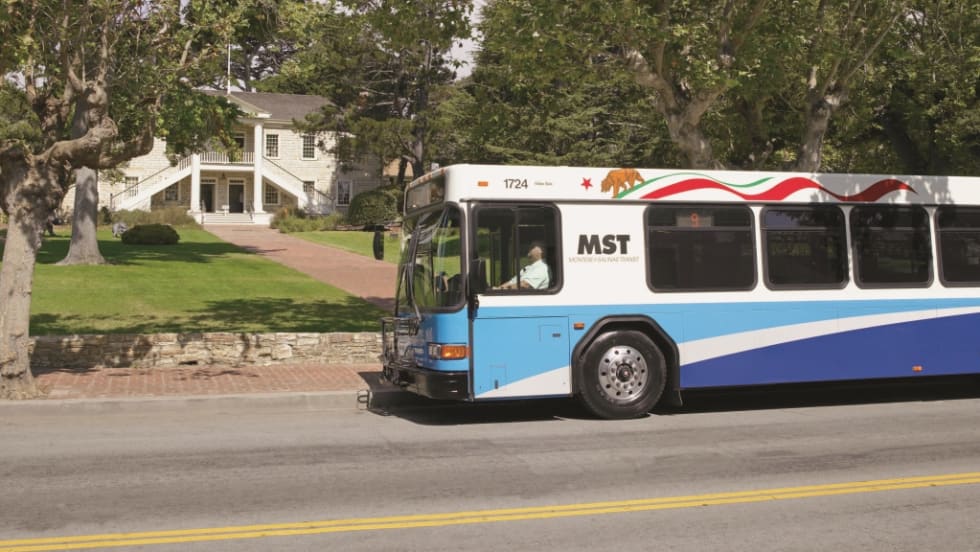
As funding from state and federal agencies continues to be more difficult to secure, local transit systems have found a variety of new partners that not only help pay for new hours of service, but can also provide opportunities for transit agencies to restructure service in parts of the community.
Read More →
Some new products being incorporated into designs are security cameras and two-way audio, as well as improvement in custom branding glass and LED illuminations.
Read More →