
Staff
Editorial
Our team of enterprising editors bring years of experience covering the fleet industry. We offer a deep understanding of trends and the ever-evolving landscapes we cover in fleet, trucking, and transportation.


 MENU
 SEARCH
Editorial
Our team of enterprising editors bring years of experience covering the fleet industry. We offer a deep understanding of trends and the ever-evolving landscapes we cover in fleet, trucking, and transportation.

NYSERDA and NYSDOT will award the funding as part of a two-step competitive process.
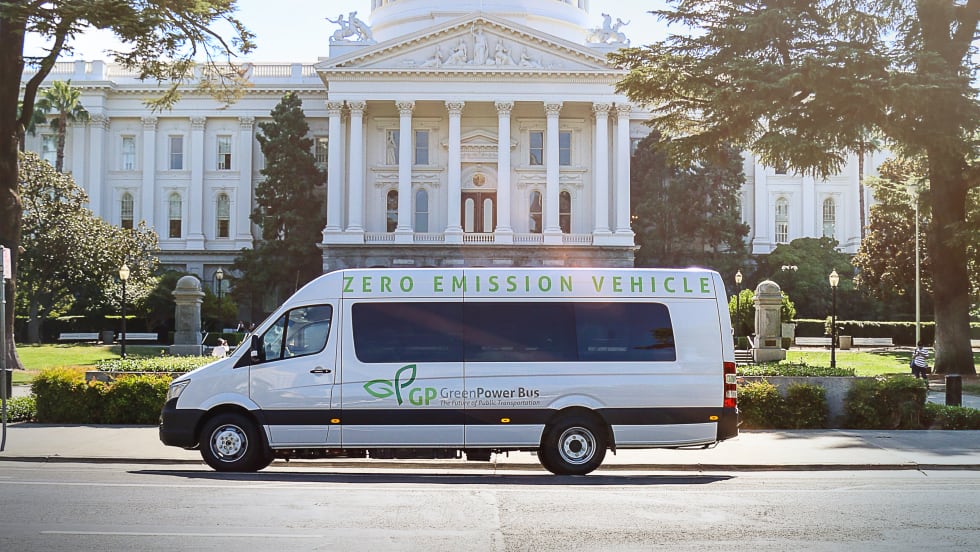
Vehicles will be used for the agency's successful microtransit program, dubbed SmaRT Ride.

The two stations have been planned for years, however, funding was first held up in the state’s budget woes and then cut in 2017.
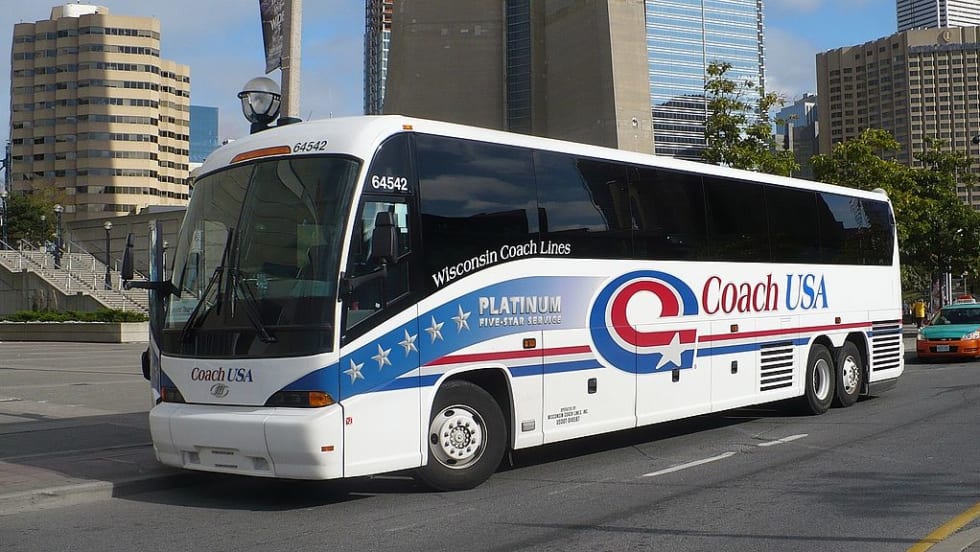
The company operates through a number of marquee brands, including megabus.com.
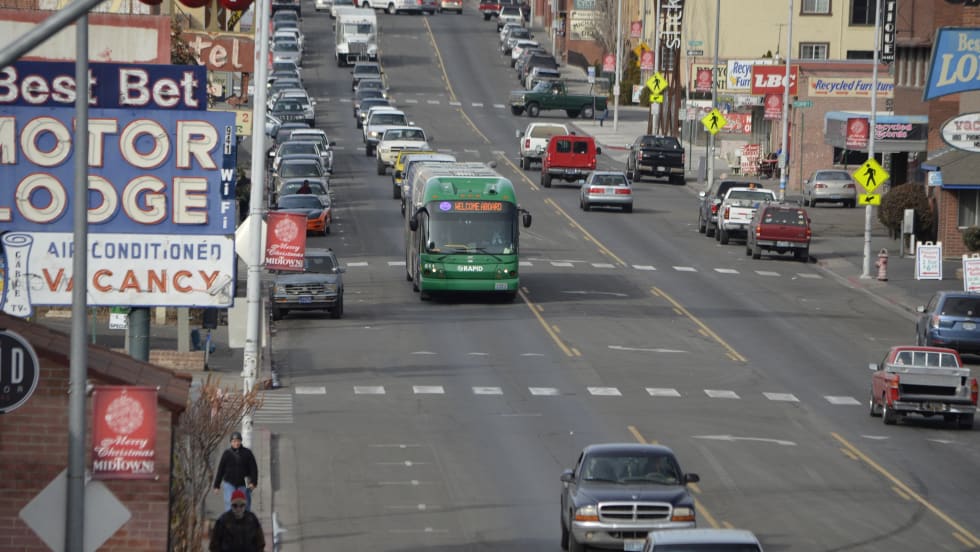
The fixed-route bus network serves over seven million annual passengers, including over 20,000-weekday riders.
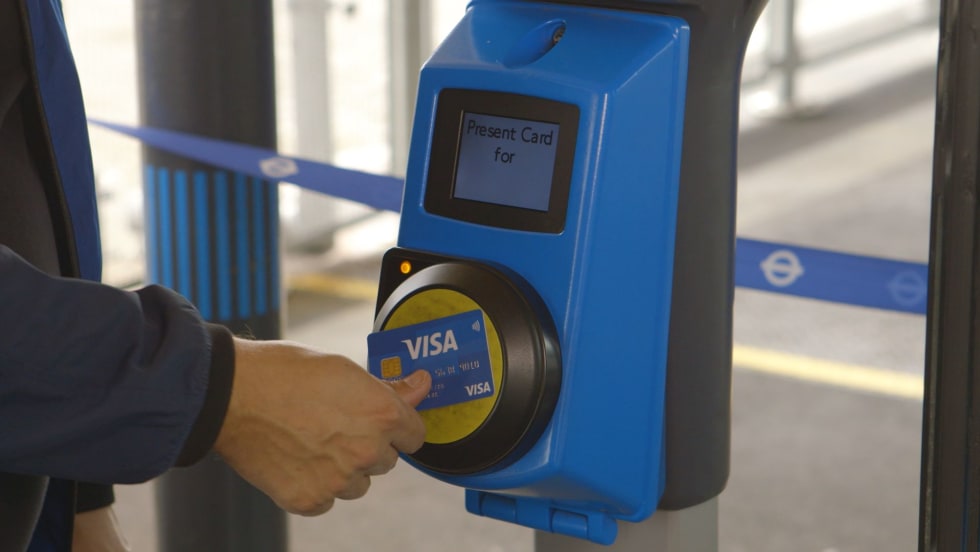
Large transit agencies have moved or are moving to open contactless payments, including in Chicago, Portland, and New York.
The agency is on the Forbes list for the fifth year in a row and is among 500 employers across 25 industries.
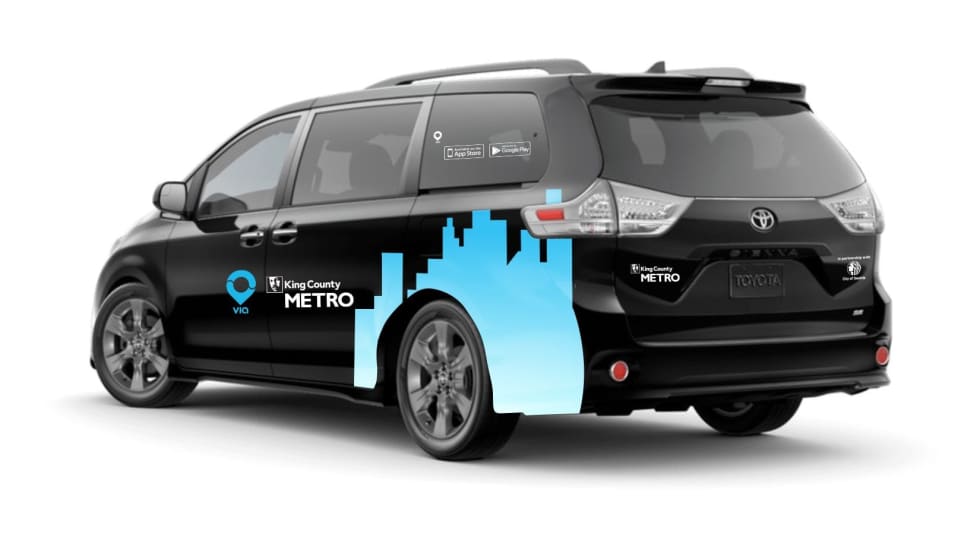
The year-long pilot project is partly funded by $2.7 million from the voter-approved Seattle Transportation Benefit District.
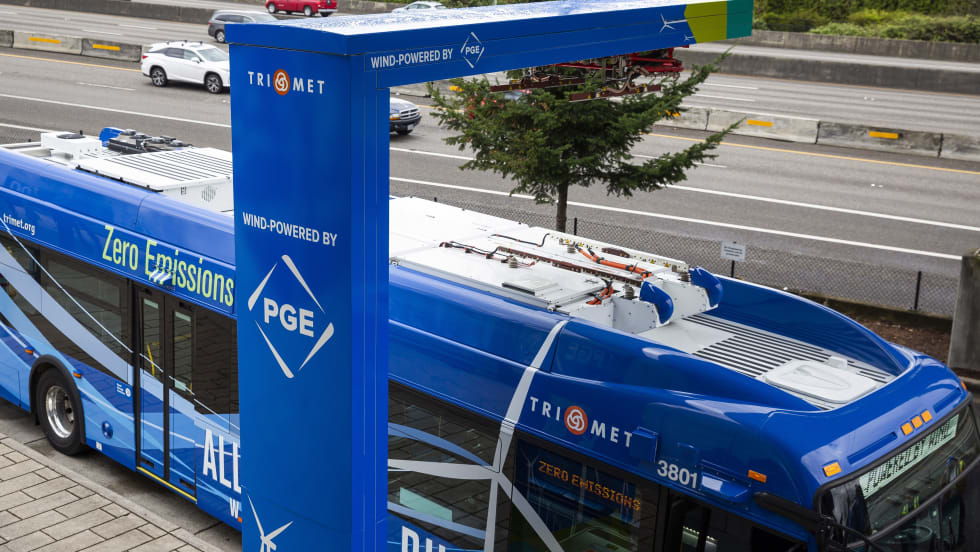
The buses have electric motors powered by energy stored in rechargeable battery packs instead of combustion engines fueled by diesel.
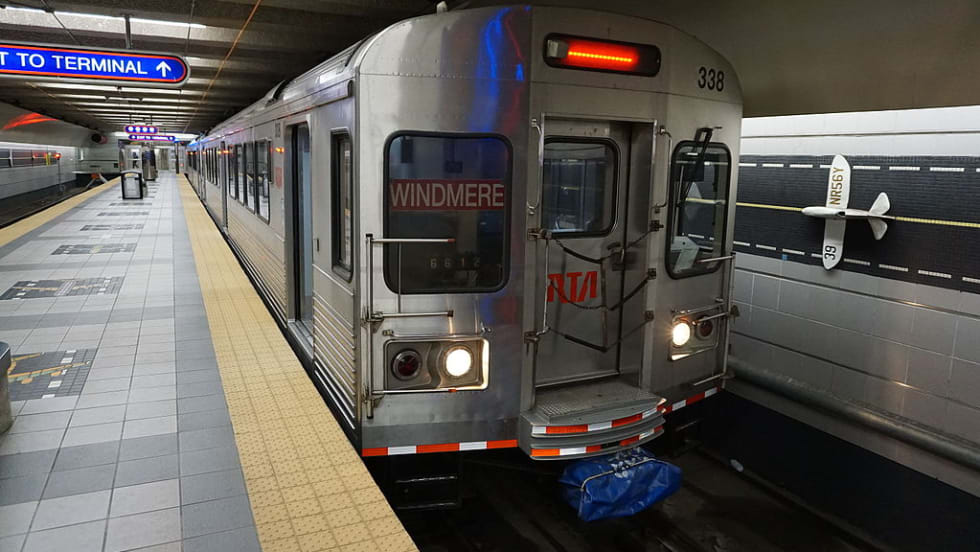
While both fleets have had some level of mid-life rehabilitation, each fleet is exceeding the acceptable 30-year useful life for railcars.