



Report suggests Cleveland should replace entire rail fleet by 2028
While both fleets have had some level of mid-life rehabilitation, each fleet is exceeding the acceptable 30-year useful life for railcars.

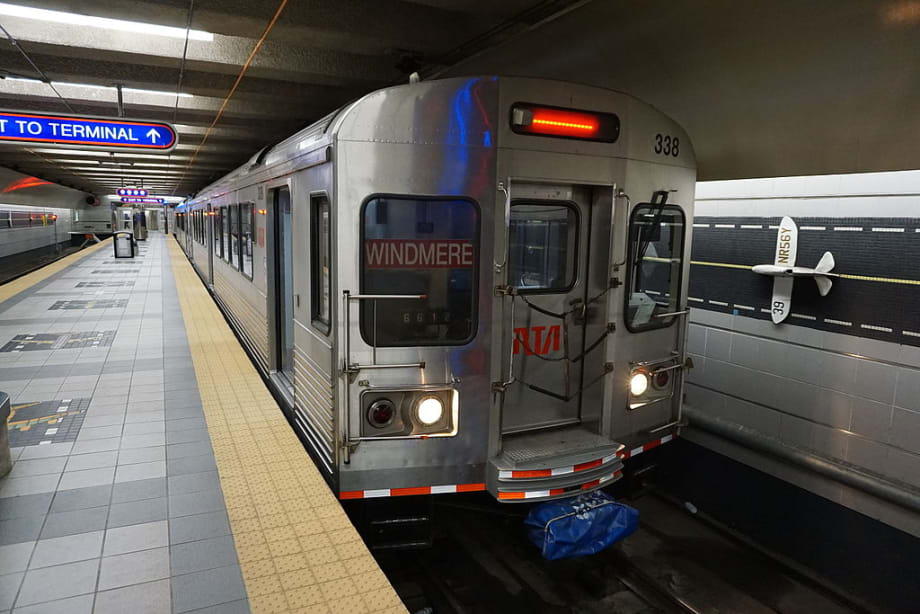
The rationale for replacing both heavy and light rail vehicles is the structural loss from corrosion, lack of readily available spare parts, and the cost of rehabilitation that far exceeds replacement costs
The rationale for replacing both heavy and light rail vehicles is the structural loss from corrosion, lack of readily available spare parts, and the cost of rehabilitation that far exceeds replacement costs
The Greater Cleveland Regional Transit Authority’s (RTA) heavy rail fleet should be replaced within five years, the light rail fleet within 10 years, and the entire fleet’s lifespan is well beyond any benefits of continued system upgrades.
That was the recommendation of LTK Engineering’s preliminary rail car replacement study findings, which LTK presented to the RTA Board of Trustees at a committee meeting.
While both fleets have had some level of mid-life rehabilitation, each fleet is exceeding the acceptable 30-year useful life for railcars in their respective categories, LTK officials said.
RTA contracted with LTK in June of 2018 with a scope of work to determine the estimated remaining life of each fleet and evaluate the benefits of a major rehabilitation of the fleet vs. replacing the railcars.
“RTA’s rail system is safe, but we are well past the point of incurring the ever-increasing costs of continually upgrading the fleet and repairing the railcars. Those costs far exceed that of purchasing a new fleet,” said RTA Interim CEO and GM Floun’say Caver. “Our customers will appreciate the reliability, not to mention the style, of riding in new railcars. This rail system is way over-due in serving our region with state-of-the-art technology and a 21st century rail fleet.”
The rationale for replacing both Heavy Rail Vehicles (HRVs), which are used on the Red Line, and Light Rail Vehicles (LRVs) which are used on the Blue, Green, and Waterfront Lines, is the structural loss from corrosion, lack of readily available spare parts, and the cost of rehabilitation that far exceeds replacement costs, the LTK study says.
LTK recommends the procurement of two different fleets (HRV and LRV) rather than a single, common car to serve both high and low platforms. A single, common car fleet would require significant infrastructure work at rail stations and increase engineering design costs, as well as eliminate the ability to phase into service, vehicle purchase, and delivery.
LTK recommends that procurement for HRVs begins in 2020, with delivery in 2023, with a recommended fleet size of 34 railcars. Cost is estimated at $3 million per vehicle, or $102 million.
The reduction in the number of railcars from its current 40 active to 34 is possible because of greater reliability and fewer maintenance requirements. The number of LRV railcars can be reduced to 24, from its current 34 active to 24, for the same reasons, LTK says.
LTK also recommends that the procurement of LRVs should start in 2025, with delivery in 2028. Estimated cost is $4 million per vehicle, or $96 million.
More Rail

New York MTA Advances Final Contract for Second Avenue Subway Expansion
Contract Four is the largest in the Second Avenue Subway Phase 2 project and includes construction of station infrastructure, tracks, and signals for the subway expansion, MTA officials said. Work on Contract Four will begin in 2027.
Read More →
San Diego MTS Breaks Monthly Trolley Ridership Record
Agency officials said July’s ridership indicates MTS’s continued recovery from the pandemic.
Read More →
Report Examines NJ TRANSIT Reliability, Funding Challenges
The Garden State Initiative analysis examines the roles of Amtrak infrastructure, fleet management, and agency operations while recommending a more performance-based approach to improving reliability.
Read More →
Stadler, CapMetro Sign Long-Term Rail Fleet Support Agreement
Beginning in 2027, Stadler will provide on-site technical expertise, spare parts support, training, and obsolescence management to help extend the reliability and longevity of CapMetro’s GTW fleet.
Read More →
Biz Briefs: Alstom Lands Canadian Contract, LYT to Supply California TSP, and More
In METRO's latest installment, we take a look at recent news from Complete Coach Works, Beep, FlixBus, and more partnerships making headlines across the transportation sector.
Read More →
CATS Gold Line Marks 5 Years of Service, 2.8M Passenger Trips
With a six-mile expansion planned, the Charlotte streetcar is positioned to connect more neighborhoods and major transit hubs across the region.
Read More →
Why Simulating Pedestrian Movement Has Become Essential for Modern Rail Stations
Pedestrian microsimulation is helping rail planners identify bottlenecks, test station designs, and prepare complex transit hubs for growing passenger volumes.
Read More →
Amtrak Begins Major Construction at New York’s Sunnyside Yard
The new maintenance facility will support Amtrak’s Airo trainsets while improving maintenance efficiency and turnaround times in New York.
Read More →
Chicago Leaders Unveil Plans for O’Hare Airport Express Train
The privately developed project would offer a 15-minute trip between downtown and O’Hare’s Terminal 2, with trains operating every 15 minutes on a dedicated track. The service would use battery-electric trains and three existing freight rail rights-of-way.
Read More →
OCTA Maps Out 30-Year Strategy to Protect Coastal Rail Corridor
The draft feasibility report identifies strategies to protect the coastal rail line for decades as the agency continues near-term stabilization and sand placement efforts.
Read More →