




RELATED: How to improve sleep quality for safe bus operation
Addressing sleep apnea in public transit operations
Sleep apnea is a common disorder affecting nearly 12% of the U.S. population, in which airway blockages cause shortened breaths or pauses in breathing while one sleeps.
June 29, 2018
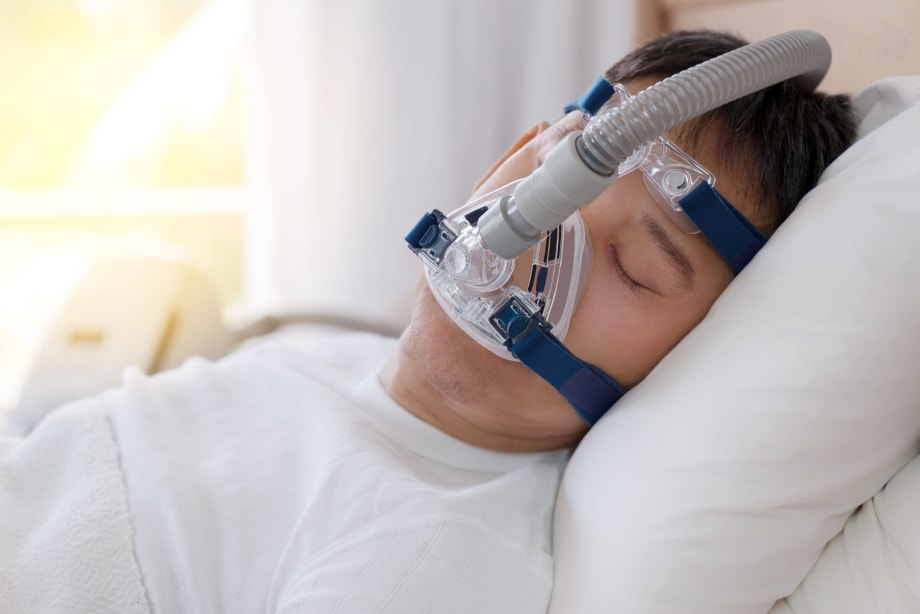
The most common treatment for obstructive sleep apnea is using a continuous positive airway pressure (CPAP) machine. Photo: Aeroflow
4 min to read
The most common treatment for obstructive sleep apnea is using a continuous positive airway pressure (CPAP) machine. Photo: Aeroflow
In 2015, the total economic impact from U.S. motor vehicle accidents was estimated at $26.2 billion, and AAA research attributes about 21% of fatal crashes to drowsy drivers. Furthermore, recent numbers from the Bureau of Transportation Statistics indicate that 247 rail passengers were killed in 2015. What’s worse is that many of these accidents are avoidable, and are linked to a very treatable disorder called sleep apnea.
What is sleep apnea?
Sleep apnea is a common disorder affecting nearly 12% of the U.S. population, in which airway blockages cause shortened breaths or pauses in breathing while one sleeps. The most common form of sleep apnea is obstructive sleep apnea (OSA), in which blockages can last for seconds or for minutes. This makes it much more difficult for the diaphragm and chest muscles to keep the airway open and take in air. When this happens, the body reacts with movements, snoring or gasps, which can result in waking up during the night.
But even those waking up during the night may be unaware that they have OSA. In a 2016 study, Frost & Sullivan and the American Academy of Sleep Medicine (AASM) estimated that approximately 29.4 million Americans — including about 23.5 million undiagnosed — suffer from OSA.
Needless to say, waking up constantly throughout the night results in exhaustion the next day. But there’s good news — the treatment is very effective once a diagnosis is made. That’s why it’s so important to pay attention to energy levels — because it’s extremely difficult for doctors to detect during routine visits and often goes undiagnosed.
According to WebMD, symptoms of OSA include trouble waking up, morning headaches, trouble concentrating, forgetfulness and daytime fatigue. But in severe cases, this can result in falling asleep unexpectedly.
Sleep apnea in public transit operation
With Americans boarding public transportation 35 million times per weekday, their lives are in the hands of the transit employees and operators who must work together to get passengers to their destinations safely. The idea of a train or bus operator experiencing extreme exhaustion or falling asleep on the job is especially concerning, as lapses in concentration or falling asleep can result in injury or death for others. Here’s a video that shows how tired driving can be just as dangerous as driving under the influence.
Frost & Sullivan and the AASM estimate that undiagnosed OSA cost the U.S. economy about $150 billion, with much of that cost coming in the form of workplace accidents and motor vehicle accidents.
Attention around the condition has prompted transportation agencies and authorities to provide affected employees with the testing and treatment that they need to keep passengers safe. Earlier this year, New York’s Metropolitan Transportation Authority (MTA) became the first public transportation agency to offer its employees specialized screening and treatment for sleep apnea, system-wide as part of a $7.5 million initiative.
Sleep apnea diagnosis and treatment
Luckily, there are highly effective treatments for sleep apnea, and more and more transportation companies like the MTA are choosing to cover the costs of testing and treatment for their employees.
The MTA, for example, evaluates employees’ body mass index (BMI) and neck circumference, asks sleep-related medical questions, and requests some medical history. If an employee is found to be at risk based on these qualifiers, they’re then identified for additional testing and treatment.
The testing process usually involves an overnight sleep study, in which a doctor monitors the patient’s sleep habits, eye movement, sleep rate, heart rate, muscle activity, blood oxygen levels, and airflow. They’ll then determine if the patient suffers from sleep apnea and propose an effective course of treatment might be. Today, there are a variety of at-home options for sleep studies, as well.
If you are diagnosed with mild sleep apnea, you can begin a more conservative treatment plan. Mild treatment might involve eliminating the use of alcohol and sedatives, making diet changes in order to lose weight, and avoiding sleeping on your back.
If you have 20 or more breathing cessation episodes in an hour, then you would be eligible for obstructive sleep apnea (OSA) treatment.
The most common treatment for obstructive sleep apnea is continuous positive airway pressure (CPAP). Typically, CPAP machines come in the form of a breathing mask one wears while sleeping, and they continuously apply minor air pressure, keeping airways open throughout the night.
While the CPAP machine can take some adjusting to, and sleep studies take time, the Alaska Sleep Clinic estimates CPAP treatment to be nearly 100% effective among patients that wear masks.
Don’t sleep on sleep apnea
From a human perspective, transportation operators can save lives, and greatly improve the lives of their employees. With the flexibility of testing and treatment programs today, it’s a win-win for all parties involved, in the long run saving money and lives.
From a cost perspective, for transportation companies, this should be a no-brainer. The cost of testing and treatment pales in comparison to the damages and lawsuits that result from accidents, that often also create ripple effects.
Robert Hunter is director of Industrial Markets for Aeroflow Healthcare.
Subscribe to Our Newsletter
More Blog Posts
Improving Transit Accessibility by Offering Assistive Listening
Did you know that there are literally tens of millions of people worldwide with hearing loss, many of whom will use some form of public transit at some point?
Read More →
35 Years of the ADA, Making Travel Easier for Seniors
Thirty-five years after the passage of the Americans with Disabilities Act of 1990 (ADA), the impact of this landmark piece of civil rights legislation cannot be overstated.
Read More →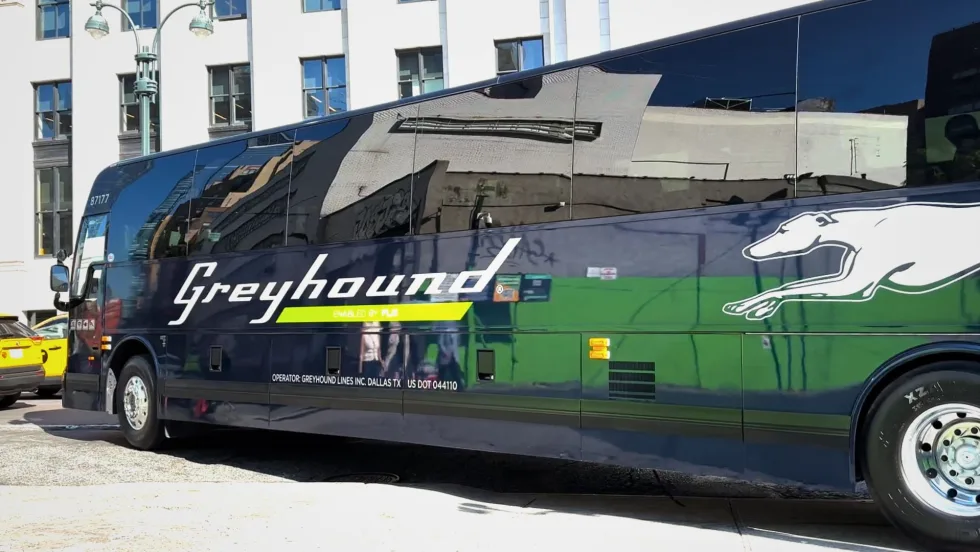
Driving Performance with Purpose: How I Lead One of Greyhound’s Top Teams
Safety, on-time performance, and customer experience are critical elements in intercity bus operations. But getting them right doesn’t come down to plans or protocols alone. It comes down to execution. How well your team performs on the ground, in real time, is what defines success.
Read More →
Navigating Emerging Privacy Laws: A Call to Action for Service Providers in Mass Transit
With Data Privacy Day Jan. 28, I want to spotlight a critical challenge faced by service providers in the mass transit sector: managing personal information responsibly in an era of rapidly evolving privacy regulations.
Read More →
Human Trafficking Awareness: What Public Transportation Can Do?
January is National Slavery and Human Trafficking Prevention Month in the U.S., and January 11 is National Human Trafficking Awareness Day.
Read More →
Want to Improve Transit Safety and Operations? Break Down the Silos
Retrieving and reviewing data and video can be a cumbersome process for fleet managers. Each system or tool provides a piece of the puzzle, but seeing the complete picture requires tedious manual synchronization.
Read More →
Ensuring Public Transit Cybersecurity Through Robust Protective Measures
In today’s highly connected world, cybersecurity is of utmost importance, particularly for transportation agencies overseeing transit bus systems that rely increasingly on sophisticated technologies, including the use of data analytics in traffic signal networks, to manage and operate their systems.
Read More →
How Advances in Thermal Management Revolutionize Urban Mobility
In the daily hustle and bustle of city life, transit buses serve as the backbone of urban transportation, allowing millions of city dwellers to get from point A to point B each day reliably.
Read More →
The Evolution of Bus Design
Thirty years ago, drivers not only had to drive the bus and navigate heavy traffic, but they were also responsible for tasks like supervising passenger loading and unloading, selling tickets, and providing passengers with various kinds of information, all while sitting in an often ill-fitting workstation.
Read More →
What 'Transit Safety 101' Really Means
Safety, Safety, Safety. This word is used repeatedly, and in many contexts, without most people understanding what it actually means.
Read More →