



Navigating Emerging Privacy Laws: A Call to Action for Service Providers in Mass Transit
With Data Privacy Day Jan. 28, I want to spotlight a critical challenge faced by service providers in the mass transit sector: managing personal information responsibly in an era of rapidly evolving privacy regulations.

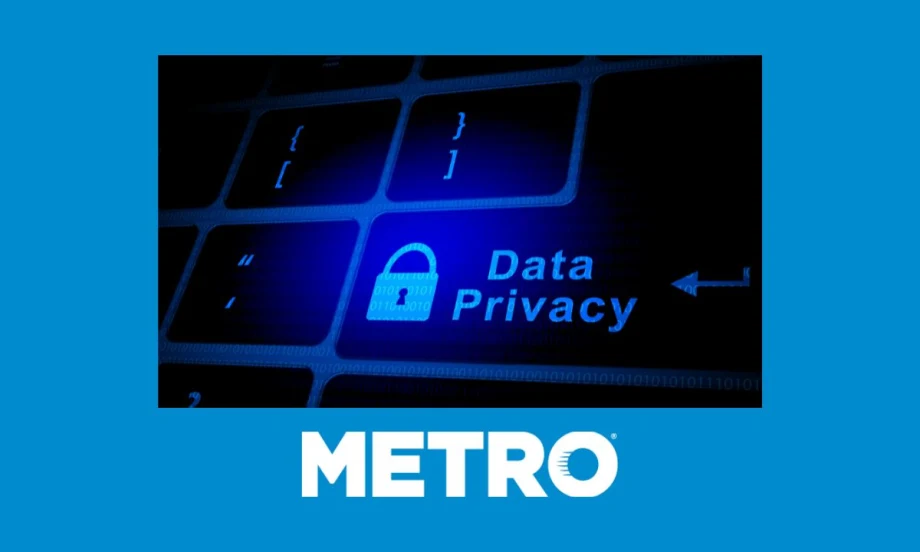
Service providers act as intermediaries between transit agencies and the public, handling sensitive data like names, payment details, and travel patterns.
Photo: Canva
- Service providers in the mass transit sector face a significant challenge in responsibly managing personal information amid evolving privacy laws.
- The rapid change in privacy regulations makes it crucial for transit providers to stay updated and compliant with new legal requirements.
- Data Privacy Day serves as a timely reminder for mass transit services to evaluate their data protection strategies and practices.
*Summarized by AI
With Data Privacy Day Jan. 28, I want to spotlight a critical challenge faced by service providers in the mass transit sector: managing personal information responsibly in an era of rapidly evolving privacy regulations.
As someone with a background bridging technology, compliance, and leadership, I’ve seen firsthand how privacy practices can shape both organizational success and customer trust.
The Privacy Landscape is Shifting
Emerging laws like the California Privacy Rights Act (CPRA), General Data Protection Regulation (GDPR), and Virginia Consumer Data Protection Act (VCDPA) are setting a higher bar for responsible data stewardship. These regulations emphasize principles like data minimization, limitations on usage for specific disclosed purposes, and user consent — mandating not just compliance, but a culture of privacy.
For service providers and agencies collecting personal data for mass transit fare collection, this shift is monumental.
The Unique Challenges of Transit Service Providers
Service providers act as intermediaries between transit agencies and the public, handling sensitive data like names, payment details, and travel patterns.
While this data is critical to operational efficiency, it is also a potential target for misuse, fraud or criminal mischief. Moreover, transit agencies are increasingly holding their vendors accountable for meeting privacy and security standards to protect public trust.
Key questions every service provider should ask:
Are we clear on the data we collect and why? Avoid "just-in-case" data collection practices.
How robust are our data protection measures? Encryption, access controls, and monitoring must be up to par.
Can we respond effectively to subject access requests (SARs)? Many new laws grant individuals rights over their data, requiring swift action.

Service providers that prioritize privacy-by-design, proactively assess risk, and invest in employee training will stand out as trusted partners in the transit ecosystem.
Photo: Canva
Opportunities to Lead, Not Just Comply
Meeting these challenges isn’t just about avoiding fines — it’s a chance to innovate and build deeper relationships with transit agencies and their riders.
Service providers that prioritize privacy-by-design, proactively assess risk, and invest in employee training will stand out as trusted partners in the transit ecosystem.
A Call to Action
I urge service providers in the transit space to move beyond compliance and embrace a privacy-first mindset. It’s not just about adhering to regulations — it’s about earning the trust of agencies and the public we serve. After all, privacy isn’t just a legal obligation; it’s a fundamental aspect of ethical business.
Together, let’s ensure that as the world moves forward with smart cities and digital transit, privacy is at the heart of every step.
Quick Answers
Mass transit service providers handle large volumes of personal data, making responsible data management crucial to protect user privacy and comply with regulatory requirements.
*Summarized by AI
More Blog Posts
Improving Transit Accessibility by Offering Assistive Listening
Did you know that there are literally tens of millions of people worldwide with hearing loss, many of whom will use some form of public transit at some point?
Read More →
35 Years of the ADA, Making Travel Easier for Seniors
Thirty-five years after the passage of the Americans with Disabilities Act of 1990 (ADA), the impact of this landmark piece of civil rights legislation cannot be overstated.
Read More →
Driving Performance with Purpose: How I Lead One of Greyhound’s Top Teams
Safety, on-time performance, and customer experience are critical elements in intercity bus operations. But getting them right doesn’t come down to plans or protocols alone. It comes down to execution. How well your team performs on the ground, in real time, is what defines success.
Read More →
Human Trafficking Awareness: What Public Transportation Can Do?
January is National Slavery and Human Trafficking Prevention Month in the U.S., and January 11 is National Human Trafficking Awareness Day.
Read More →
Want to Improve Transit Safety and Operations? Break Down the Silos
Retrieving and reviewing data and video can be a cumbersome process for fleet managers. Each system or tool provides a piece of the puzzle, but seeing the complete picture requires tedious manual synchronization.
Read More →
Ensuring Public Transit Cybersecurity Through Robust Protective Measures
In today’s highly connected world, cybersecurity is of utmost importance, particularly for transportation agencies overseeing transit bus systems that rely increasingly on sophisticated technologies, including the use of data analytics in traffic signal networks, to manage and operate their systems.
Read More →
How Advances in Thermal Management Revolutionize Urban Mobility
In the daily hustle and bustle of city life, transit buses serve as the backbone of urban transportation, allowing millions of city dwellers to get from point A to point B each day reliably.
Read More →
The Evolution of Bus Design
Thirty years ago, drivers not only had to drive the bus and navigate heavy traffic, but they were also responsible for tasks like supervising passenger loading and unloading, selling tickets, and providing passengers with various kinds of information, all while sitting in an often ill-fitting workstation.
Read More →
What 'Transit Safety 101' Really Means
Safety, Safety, Safety. This word is used repeatedly, and in many contexts, without most people understanding what it actually means.
Read More →
5 Ways AI Will Impact the Bus and Motorcoach Sector
The old joke that you wait ages for one bus and suddenly three come along at once may be consigned to the history bin thanks to developments in artificial intelligence (AI).
Read More →