



Bus Simulator Training: How to Get It Right!
It’s no secret that I am a firm believer in bus simulator training. I enjoyed the benefits of utilizing simulators as a supplemental training tool during my days at New York City Transit. The simulators helped us produce outstanding results by targeting specific outcomes. If your simulator training is not producing what you expected it to deliver, the answer is plain and simple: something is wrong!


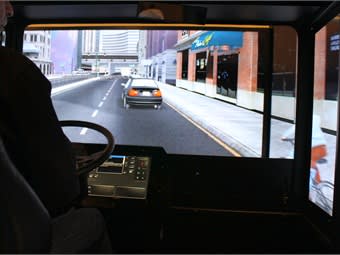
It’s no secret that I am a firm believer in bus simulator training. I enjoyed the benefits of utilizing simulators as a supplemental training tool during my days at New York City Transit. The simulators helped us produce outstanding results by targeting specific outcomes. If your simulator training is not producing what you expected it to deliver, the answer is plain and simple: something is wrong!
You should be experiencing a reduction in both your targeted type of collision and your new bus operator candidate washout rate, NOT a reduction in the amount of training days. This is not what you sign up for when you decide to administer this type of supplemental training for your bus operators. Never eliminate needed basic skill development training from the bus, however, a simple modification and repackaging of what you already have in place, can be a positive measure.
Each agency has its own unique issues and their individual training applications must be respected and shaped to accept the integration of a bus simulator. Knowing what type of simulator application to give during training and when to give it — and also how much to give — are key elements that only an experienced transit simulator instructor with proven results can provide. Both the new hire candidate and the seasoned veteran must be handled differently in the type of training they receive. This individualized tailoring of the training is necessary to achieve the results you are seeking.
There are also ways in which you can hinder the chances of getting the results you were expecting when you received delivery of your new training tool. This is usually the case when training agencies fail to establish the chain of accountability within the department, or when the wrong individual is selected to lead the simulator training effort. This is where a mutually respectable relationship between the training staff and the provider of training services pays dividends. Trust, integrity, knowledge and results are all key ingredients that the provider of training services should claim ownership to.
Being made aware of unsafe acts by on-board observation tools is the first step but not the only step in realizing the need to be proactive rather than reacting to a situation after the damage has occurred. Identification by the use of on-board observation tools, Retraining by supplementing with simulation training — for repeated “fix it” applications in the low risk environment of the simulator until mastery has been accomplished — and On–Board Monitoring to confirm results, completes the trifecta of collision reduction.
Does your simulator training need a jolt? Are you still on the fence about the thought of introducing this type of supplemental training to your agency? If so, I’d be happy to share best practices with you to ensure that your agency gets the greatest possible benefit from the use of this technology.
Louie is the former director of training for the New York City Transit Dept. of Buses Safety & Training Division and 2003 NTI Fellow. Currently, he is sr. consultant/SME in transit training & bus simulation at L-3 D.P. Associates and independent consultant at "Bus Talk" Surface Transit Solutions.
More Blog Posts
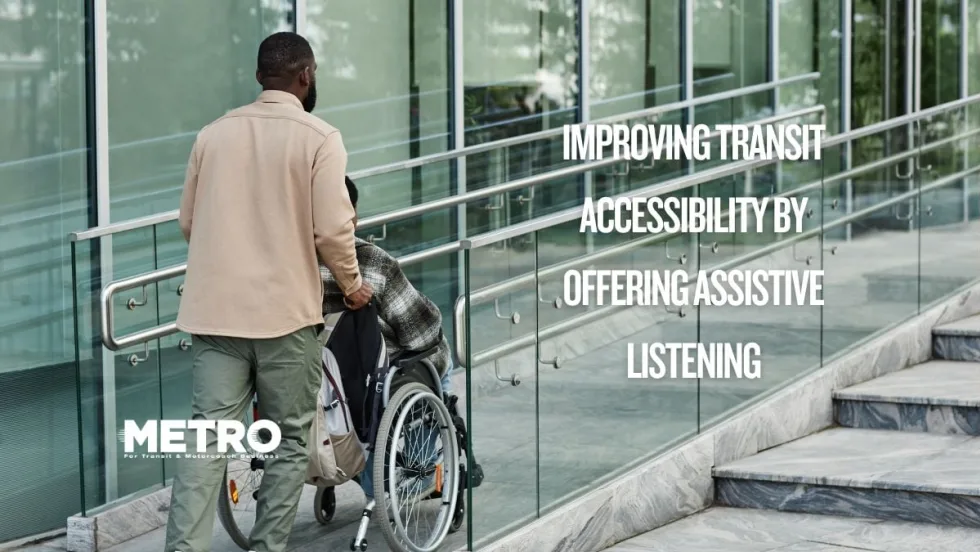
Improving Transit Accessibility by Offering Assistive Listening
Did you know that there are literally tens of millions of people worldwide with hearing loss, many of whom will use some form of public transit at some point?
Read More →
35 Years of the ADA, Making Travel Easier for Seniors
Thirty-five years after the passage of the Americans with Disabilities Act of 1990 (ADA), the impact of this landmark piece of civil rights legislation cannot be overstated.
Read More →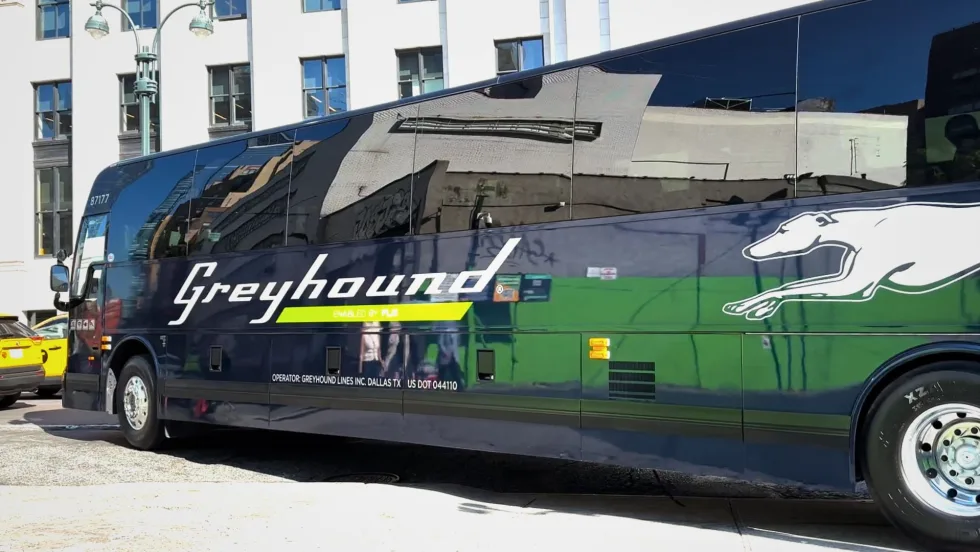
Driving Performance with Purpose: How I Lead One of Greyhound’s Top Teams
Safety, on-time performance, and customer experience are critical elements in intercity bus operations. But getting them right doesn’t come down to plans or protocols alone. It comes down to execution. How well your team performs on the ground, in real time, is what defines success.
Read More →
Navigating Emerging Privacy Laws: A Call to Action for Service Providers in Mass Transit
With Data Privacy Day Jan. 28, I want to spotlight a critical challenge faced by service providers in the mass transit sector: managing personal information responsibly in an era of rapidly evolving privacy regulations.
Read More →
Human Trafficking Awareness: What Public Transportation Can Do?
January is National Slavery and Human Trafficking Prevention Month in the U.S., and January 11 is National Human Trafficking Awareness Day.
Read More →
Want to Improve Transit Safety and Operations? Break Down the Silos
Retrieving and reviewing data and video can be a cumbersome process for fleet managers. Each system or tool provides a piece of the puzzle, but seeing the complete picture requires tedious manual synchronization.
Read More →
Ensuring Public Transit Cybersecurity Through Robust Protective Measures
In today’s highly connected world, cybersecurity is of utmost importance, particularly for transportation agencies overseeing transit bus systems that rely increasingly on sophisticated technologies, including the use of data analytics in traffic signal networks, to manage and operate their systems.
Read More →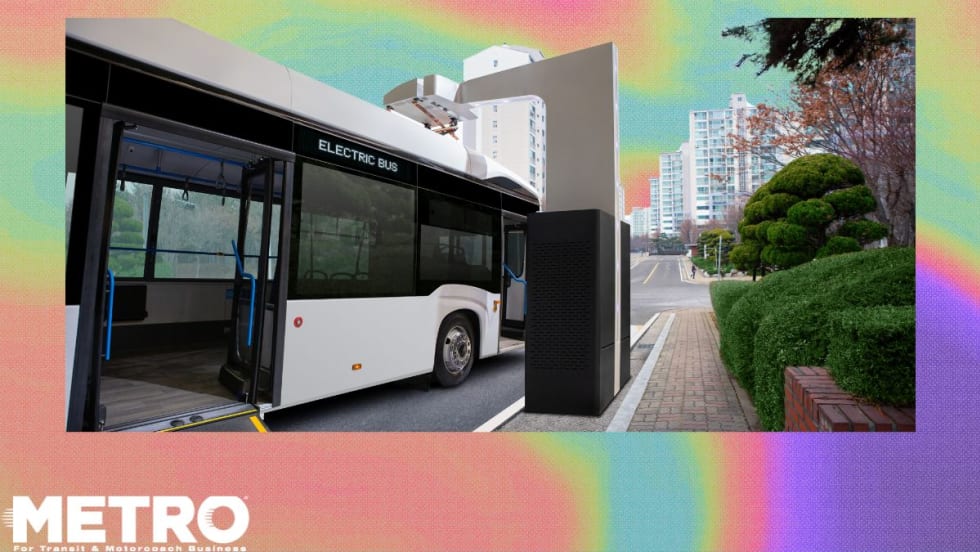
How Advances in Thermal Management Revolutionize Urban Mobility
In the daily hustle and bustle of city life, transit buses serve as the backbone of urban transportation, allowing millions of city dwellers to get from point A to point B each day reliably.
Read More →
The Evolution of Bus Design
Thirty years ago, drivers not only had to drive the bus and navigate heavy traffic, but they were also responsible for tasks like supervising passenger loading and unloading, selling tickets, and providing passengers with various kinds of information, all while sitting in an often ill-fitting workstation.
Read More →
What 'Transit Safety 101' Really Means
Safety, Safety, Safety. This word is used repeatedly, and in many contexts, without most people understanding what it actually means.
Read More →