



Delivering Rail Safety's Message to the Public
The national focus in transit safety has increased, particularly in the wake of several high-profile train collisions on rail transit systems over the last decade. But, it is important to remember that 71% of transit-related fatalities in 2012 were pedestrians, trespassers or occupants of cars that collided with transit vehicles.

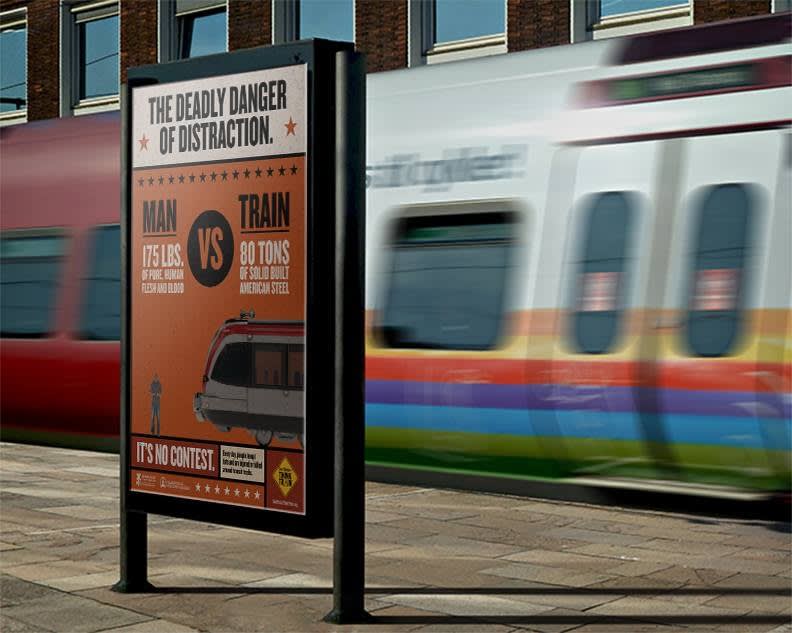
MBTA Green Line platform posters for See Tracks? Think Train! campaign.
MBTA Green Line platform posters for See Tracks? Think Train! campaign.
Operation Lifesaver Inc. (OLI) is the national rail safety education organization whose mission is to end collisions, deaths and injuries at highway-rail grade crossings and on rail property.
The national focus in transit safety has increased, particularly in the wake of several high-profile train collisions on rail transit systems over the last decade. But, it is important to remember that 71% of transit-related fatalities in 2012 were pedestrians, trespassers or occupants of cars that collided with transit vehicles. The greatest area of risk in transit safety is people driving, walking or bicycling in an unsafe manner around crossings and tracks, or acting carelessly on station platforms.
RELATED:How OLI can help your transit system's safety program
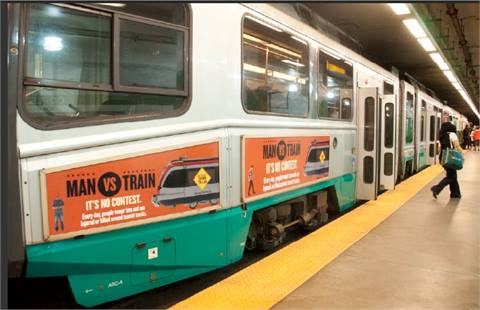
Since 2007, OLI has partnered with state Operation Lifesaver programs and transit agencies to develop public awareness and outreach campaigns to improve safety around rail transit systems. Last month, OLI announced the 2014 competitive transit safety education grant awards to 11 transit agencies totaling $162,500, for public outreach and education campaigns utilizing the Operation Lifesaver national safety campaign, “See Tracks? Think Train!” (ST3). The ST3 campaign is aimed at young people aged 18 to 35, especially young men, and has a variety of bilingual campaign materials, including video and radio PSAs, billboards, train and bus posters and wraps, and public awareness merchandise. The campaign has a dedicated microsite, www.SeeTracksThinkTrain.org, where materials can be shared and downloaded.
The 11 transit systems that were awarded grant funding this year are:
• Sacramento RTD
• the City of Atlanta
• Rio Metro RTD in Albuquerque
• Illinois Operation Lifesaver for Metra
• Dallas Area Rapid Transit (DART)
• New Jersey Transit
• Bi-State Development Agency, St. Louis
• Fort Worth Transportation Authority/The T
• Ohio Operation Lifesaver for Greater Cleveland Regional Transit Authority
• Utah Transit Authority
• Valley Metro, Phoenix
The winning projects for this year proposed creative ways to implement transit safety education. A few examples include the City of Atlanta, which will be educating students at Georgia State University about safety around the new Atlanta Streetcar; Dallas’ DART, which aims to increase rail safety awareness among the homeless population near its rights-of-way; and Cleveland’s GCRTA, which will focus on educating drivers who act unsafely at grade crossings along their 13.5-mile light rail system.
In addition to this year’s competitive transit safety education grants, OLI kick-started the ST3 campaign by disbursing $70,000 in regional grants to use the “See Tracks? Think Train!” materials in transit systems around the country. Thus, in Boston, Green Line trains have been wrapped with the ST3 message; the Virginia Railway Express runs the ST3 video PSAs at its platform monitors; Metra commuters in Illinois carry their monthly passes in ticket cases with the ST3 logo imprint; and Fresno Area Express buses carry side-panel ads with the ST3 message. These are just a few of the transit safety outreach efforts featuring the campaign.
Funding for the OLI transit safety education grants is provided by the Federal Transit Administration. OLI is grateful for FTA’s support and looks forward to increasing our partnership with transit systems through the transit safety education grant program.
In case you missed it...
Read our previous blog, "Emergency Plans: How Transit Prepares for the Worst"
More Blog Posts
Improving Transit Accessibility by Offering Assistive Listening
Did you know that there are literally tens of millions of people worldwide with hearing loss, many of whom will use some form of public transit at some point?
Read More →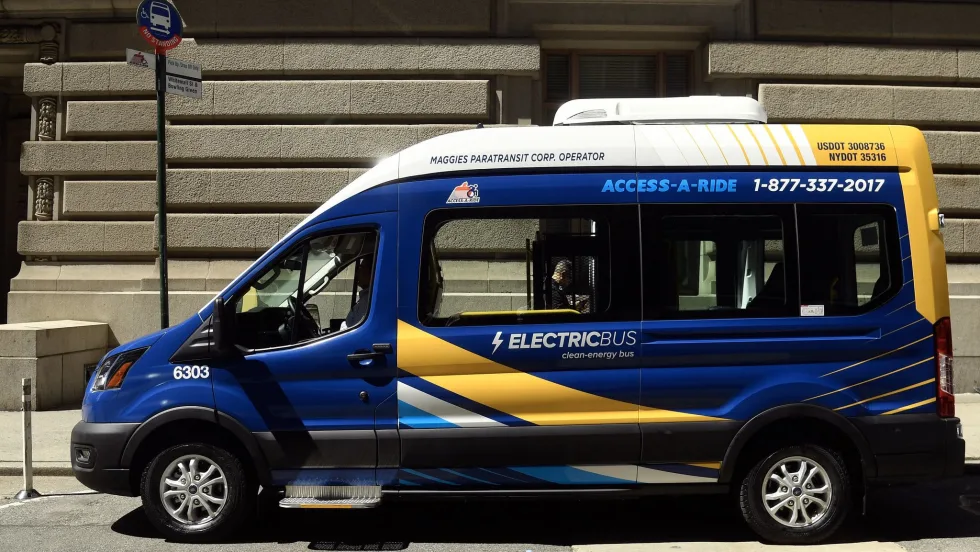
35 Years of the ADA, Making Travel Easier for Seniors
Thirty-five years after the passage of the Americans with Disabilities Act of 1990 (ADA), the impact of this landmark piece of civil rights legislation cannot be overstated.
Read More →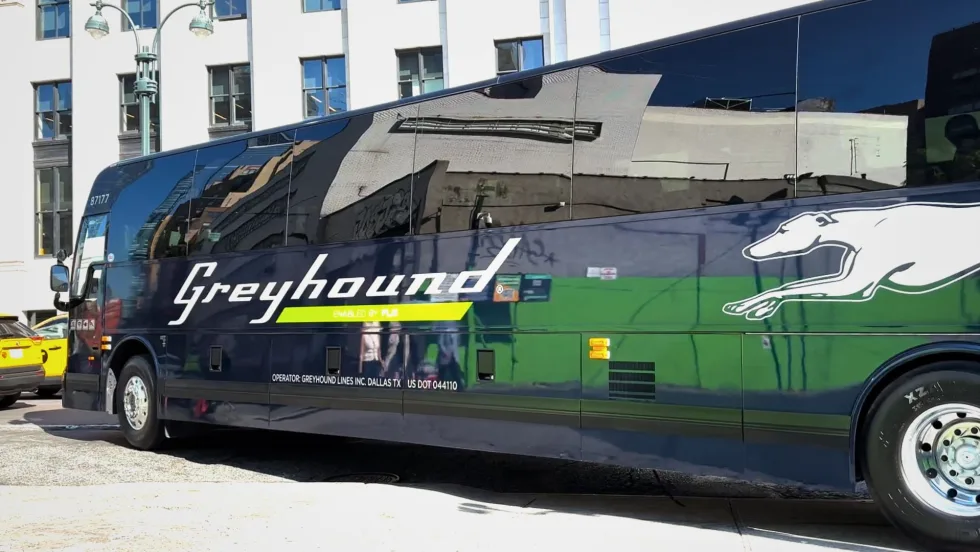
Driving Performance with Purpose: How I Lead One of Greyhound’s Top Teams
Safety, on-time performance, and customer experience are critical elements in intercity bus operations. But getting them right doesn’t come down to plans or protocols alone. It comes down to execution. How well your team performs on the ground, in real time, is what defines success.
Read More →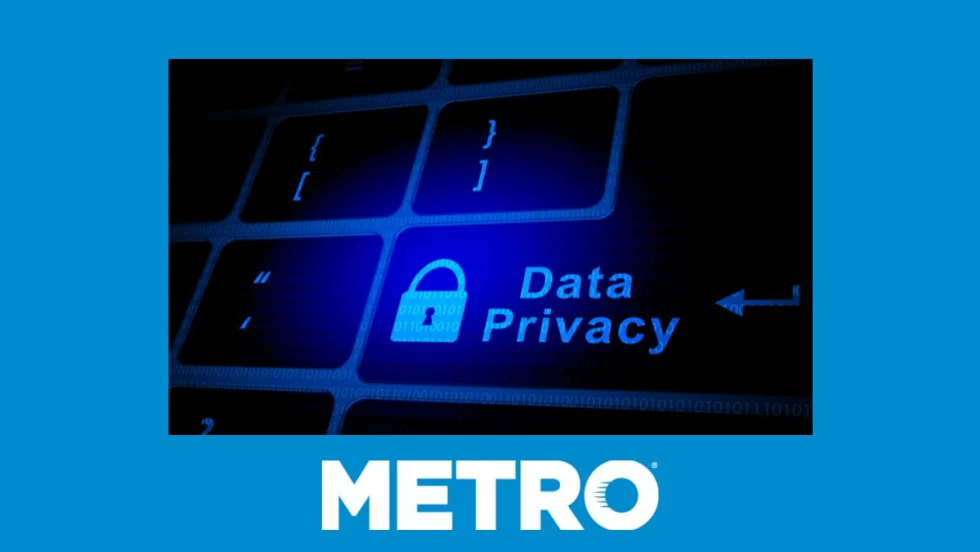
Navigating Emerging Privacy Laws: A Call to Action for Service Providers in Mass Transit
With Data Privacy Day Jan. 28, I want to spotlight a critical challenge faced by service providers in the mass transit sector: managing personal information responsibly in an era of rapidly evolving privacy regulations.
Read More →
Human Trafficking Awareness: What Public Transportation Can Do?
January is National Slavery and Human Trafficking Prevention Month in the U.S., and January 11 is National Human Trafficking Awareness Day.
Read More →
Want to Improve Transit Safety and Operations? Break Down the Silos
Retrieving and reviewing data and video can be a cumbersome process for fleet managers. Each system or tool provides a piece of the puzzle, but seeing the complete picture requires tedious manual synchronization.
Read More →
Ensuring Public Transit Cybersecurity Through Robust Protective Measures
In today’s highly connected world, cybersecurity is of utmost importance, particularly for transportation agencies overseeing transit bus systems that rely increasingly on sophisticated technologies, including the use of data analytics in traffic signal networks, to manage and operate their systems.
Read More →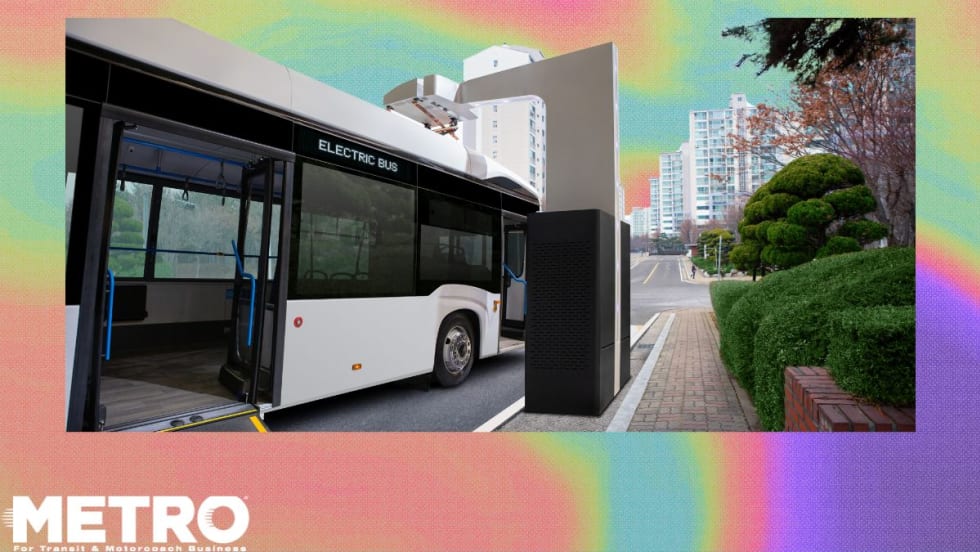
How Advances in Thermal Management Revolutionize Urban Mobility
In the daily hustle and bustle of city life, transit buses serve as the backbone of urban transportation, allowing millions of city dwellers to get from point A to point B each day reliably.
Read More →
The Evolution of Bus Design
Thirty years ago, drivers not only had to drive the bus and navigate heavy traffic, but they were also responsible for tasks like supervising passenger loading and unloading, selling tickets, and providing passengers with various kinds of information, all while sitting in an often ill-fitting workstation.
Read More →
What 'Transit Safety 101' Really Means
Safety, Safety, Safety. This word is used repeatedly, and in many contexts, without most people understanding what it actually means.
Read More →