



Deprogramming the New Hire Candidate
Well, another BusCon has come and gone and this year’s gathering was again the place to be. The abundant networking opportunities, the various presentation topics and the industry’s latest offerings made it a win — for all! I would like to thank all of you that were part of the standing room only audience that attended the session given by my colleague Steve Mentzer and I, representing L-3.

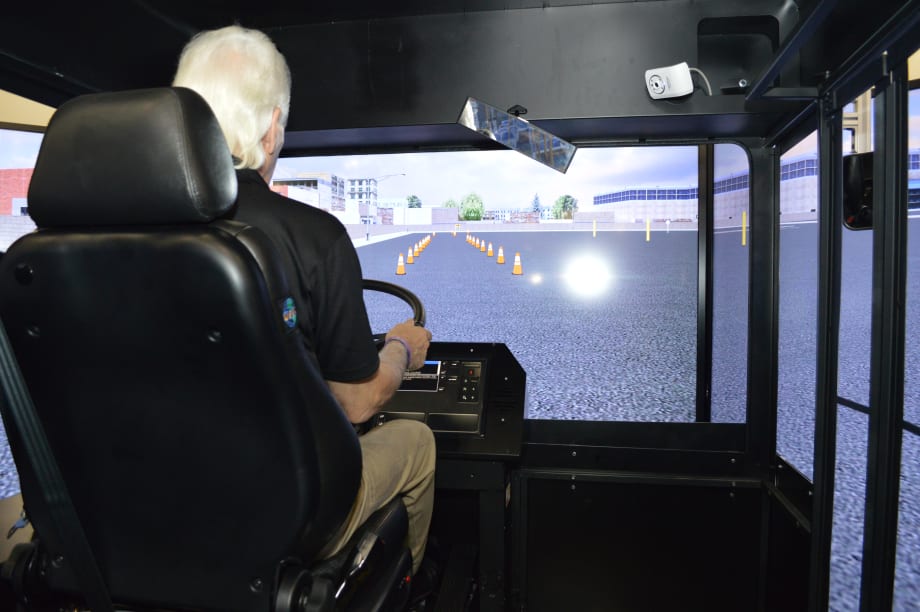
Well, another BusCon has come and gone and this year’s gathering was again the place to be. The abundant networking opportunities, the various presentation topics and the industry’s latest offerings made it a win — for all! I would like to thank all of you that were part of the standing room only audience that attended the session given by my colleague Steve Mentzer and I, representing L-3. We appreciate the opportunity to have answered your questions with regard to ‘Blended Learning, Creating a Bus Operator Training Program and Bus Simulator Training.’
A question was asked regarding the amount of training to administer and how to ensure proper placement of a new hire candidate that brings some past driving experience with transport vehicles that required a CDL. (fixed-route bus, trucking, school bus, etc...)
Should they complete the entire training program?
Should they automatically be considered ‘qualified’ to be placed in passenger service/route familiarization?
In most of my student bus operator classes, some first-day arrivals consisted of people who already possessed a valid CDL license (void of any restrictions that would have prevented them to continue on with training and carrying the proper endorsements, etc…). The CDL only ensures that the trainee would not have to test with the state DMV during their training. That's all it guaranteed.
Other arrivals included some that needed to obtain the required CDL and others who rarely drove a motor vehicle and used their license as a form of identification. This last type was usually the toughest to train as they were basically learning to drive again, but this time the vehicle was a bus, not a car. Not the easiest vehicle to utilize as a refresher tool to rejoin the driving population.
Some, but not all, who already possessed a valid CDL license found themselves behind the eight ball when arriving for training because with them they brought ‘baggage’ from their previous experience. This baggage would take the form of bad driving habits and over confidence. Many had driven larger vehicles then what they were attempting to now qualify on, but they soon discovered that although they were experience drivers, they were now faced with the deprogramming progress of having to lose bad habits and having to learn how to drive a transit vehicle according to the standards of the agency’s training department and not the way they were accustomed to driving in the past. Those that arrived with driving habits not acceptable to the training agency were usually in the form of:
Unable to set up and utilize mirrors according to the agencies standards.
Excessive speed.
Failing to utilize push / pull steering.
With the clock ticking and having a limited amount of training days to qualify, some lost precious time and found themselves lagging behind most of the class eventually running out of available training days, which resulted in them having to resign. Training should not be endless but have a set amount of training days available to qualify or be disqualified. A new hire candidate must qualify in the required time or it’s over. As an instructor, do not make the mistake of believing that you don’t have to be as critical with ‘already licensed’ CDL drivers that enter your training program simply because they arrive with such credentials. Be consistent with all new hire candidates. Have them complete the entire training program as this will allow you to look at the class as one and send a message to those already having a CDL that they will not receive a free ride to qualifying.
Remember, it’s the agency’s way or the highway.
Louie is the former director of training for the New York City Transit Dept. of Buses Safety & Training Division and 2003 NTI Fellow. Currently, he is sr. consultant/SME in transit training & bus simulation at L-3 D.P. Associates and independent consultant at "Bus Talk" Surface Transit Solutions.
In case you missed it...
Read our previous blog, "Learn how to create a comprehensive driver training program"
More Blog Posts
Improving Transit Accessibility by Offering Assistive Listening
Did you know that there are literally tens of millions of people worldwide with hearing loss, many of whom will use some form of public transit at some point?
Read More →
35 Years of the ADA, Making Travel Easier for Seniors
Thirty-five years after the passage of the Americans with Disabilities Act of 1990 (ADA), the impact of this landmark piece of civil rights legislation cannot be overstated.
Read More →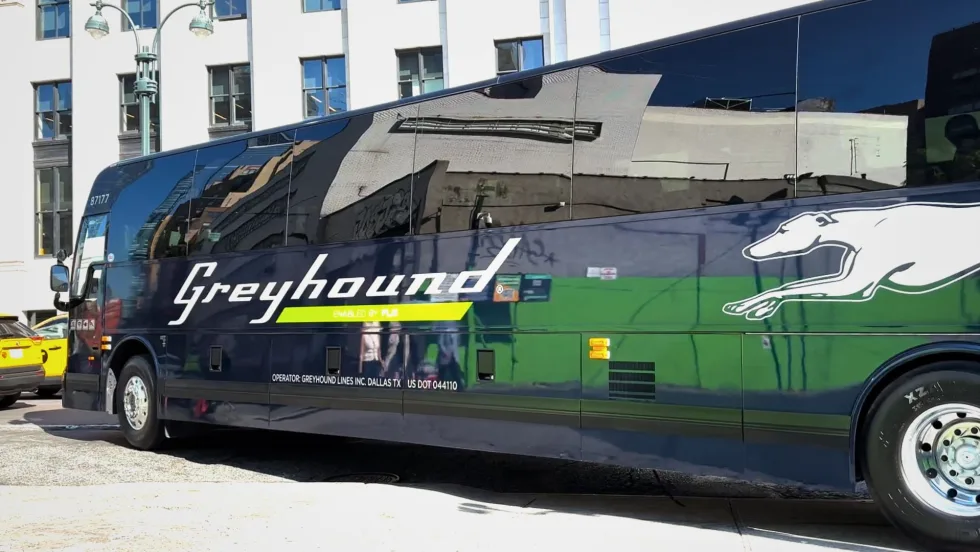
Driving Performance with Purpose: How I Lead One of Greyhound’s Top Teams
Safety, on-time performance, and customer experience are critical elements in intercity bus operations. But getting them right doesn’t come down to plans or protocols alone. It comes down to execution. How well your team performs on the ground, in real time, is what defines success.
Read More →
Navigating Emerging Privacy Laws: A Call to Action for Service Providers in Mass Transit
With Data Privacy Day Jan. 28, I want to spotlight a critical challenge faced by service providers in the mass transit sector: managing personal information responsibly in an era of rapidly evolving privacy regulations.
Read More →
Human Trafficking Awareness: What Public Transportation Can Do?
January is National Slavery and Human Trafficking Prevention Month in the U.S., and January 11 is National Human Trafficking Awareness Day.
Read More →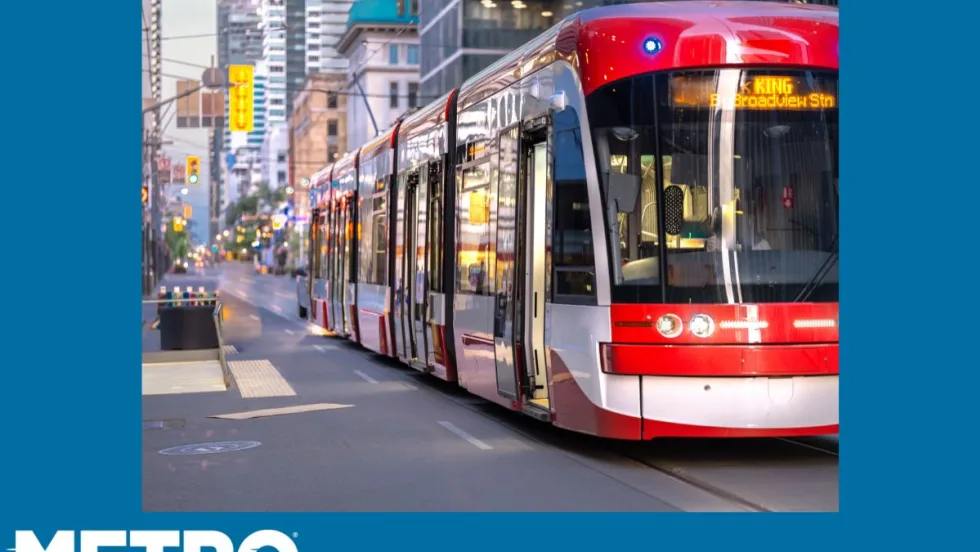
Want to Improve Transit Safety and Operations? Break Down the Silos
Retrieving and reviewing data and video can be a cumbersome process for fleet managers. Each system or tool provides a piece of the puzzle, but seeing the complete picture requires tedious manual synchronization.
Read More →
Ensuring Public Transit Cybersecurity Through Robust Protective Measures
In today’s highly connected world, cybersecurity is of utmost importance, particularly for transportation agencies overseeing transit bus systems that rely increasingly on sophisticated technologies, including the use of data analytics in traffic signal networks, to manage and operate their systems.
Read More →
How Advances in Thermal Management Revolutionize Urban Mobility
In the daily hustle and bustle of city life, transit buses serve as the backbone of urban transportation, allowing millions of city dwellers to get from point A to point B each day reliably.
Read More →
The Evolution of Bus Design
Thirty years ago, drivers not only had to drive the bus and navigate heavy traffic, but they were also responsible for tasks like supervising passenger loading and unloading, selling tickets, and providing passengers with various kinds of information, all while sitting in an often ill-fitting workstation.
Read More →
What 'Transit Safety 101' Really Means
Safety, Safety, Safety. This word is used repeatedly, and in many contexts, without most people understanding what it actually means.
Read More →