




One often overlooked aspect of workplace safety is the need for employees to get seven or more hours of sleep on a regular basis for optimal health, productivity and alertness.
Don’t Let Sleepiness Derail Your Health & Safety
A recent CDC analysis found that the jobs with the highest rates of short sleep duration were communications equipment operators (58.2%), other transportation workers (54.0%) and rail transportation workers (52.7%).
May 1, 2018

One often overlooked aspect of workplace safety is the need for employees to get seven or more hours of sleep on a regular basis for optimal health, productivity and alertness. Photo: Creative Commons
5 min to read

One often overlooked aspect of workplace safety is the need for employees to get seven or more hours of sleep on a regular basis for optimal health, productivity and alertness. Photo: Creative Commons
When it comes to safety in the workplace, the transportation industry (like many others) has a checklist for workers to consider while performing their daily tasks. These safety protocols focus on preventing accidents while knowing how best to correct an error when it does occur.
However, keeping a workplace safe begins at home. According to the American Academy of Sleep Medicine (AASM), one often overlooked aspect of workplace safety is the need for employees to get seven or more hours of sleep on a regular basis for optimal health, productivity and alertness. Workers who routinely get sufficient sleep are prepared to take on their tasks, less likely to commit costly mistakes, and better primed to detect and correct errors.
Many sleep-deprived individuals are unaware of their cognitive impairment, as symptoms can be hard to identify. These tired workers may nod off on the job or experience “micro-sleeps,” short, involuntary episodes of inattention that last only a few seconds but can pose a deadly threat on crowded roadways or when operating heavy machinery.
The Perils of Drowsy Driving
While sleep is vital for the safety of workers in all industries, sleep deprivation is more common in some professions than others. A recent CDC analysis found that the jobs with the highest rates of short sleep duration were communications equipment operators (58.2%), other transportation workers (54.0%) and rail transportation workers (52.7%). In addition to being less productive, sleep-deprived workers can be a threat to themselves and others, especially when operating heavy machinery such as motor vehicles. A person who is sleep-deprived can be as impaired as someone who is drunk. The negative effects of sleep loss can compromise driving ability, reduce alertness and attentiveness, delay reaction times and hinder decision-making skills.
In fact, a research brief from the AAA Foundation for Traffic Safety estimates that drowsy driving is involved in up to 9.5 percent of all motor vehicle crashes, causing an average of 328,000 accidents in the U.S. each year, including 6,400 fatal crashes. Recognizing that fatigue has been a contributing factor in 20 percent of its investigations over the last two decades, the National Transportation Safety Board (NTSB) included “reduce fatigue-related accidents” in its 2017 – 2018 Most Wanted List of transportation safety improvements.
Although an increased rate of collisions is a common risk associated with not getting the recommended seven or more hours of sleep each night, many workers may not realize that they are fatigued until it is too late. This lack of awareness can be especially costly in transportation industries.
Signs of Sleepiness
Transportation workers should be on the lookout for any of these signs of sleepiness:
You keep yawning or are unable to keep your eyes open.
You catch yourself “nodding off” and have trouble keeping your head up.
You can’t remember driving the last few miles.
You end up too close to cars in front of you.
You miss stops or drive past your turn.
You drift into the other lane of traffic, onto the “rumble strip” or the shoulder of the road.
Better Sleep for Shift Workers
With 13 percent of work injuries attributable to sleep problems, and more than 37 percent of U.S. workers sleep-deprived, it is essential to promote a workplace culture that values the importance of sleep. The National Healthy Sleep Awareness Project — led by the AASM, the Centers for Disease Control and Prevention (CDC), the Sleep Research Society (SRS) and other partners such as the National Safety Council (NSC) — launched the “Sleep Works for You” campaign to encourage employers and workers to prioritize healthy sleep habits.
Getting sufficient sleep can be challenging for shift workers, especially those who work night shifts. Here are some tips to help shift workers sleep better:
Tips for “Wake Time”
Avoid exposure to sunlight if you need to sleep during the day, and wear sunglasses if you must go outside.
Use moderate amounts of caffeine in the early part of your shift.
Take a 20- to 30-minute nap during a work break or before a night shift.
Get help from a sleep specialist to use strategically timed bright light therapy to improve alertness.
Tips for “Sleep Time”
Avoid caffeine and alcohol in the hours before you go to bed.
Plan for any major changes in your shift schedule by altering your sleep time a few days in advance.
Keep the same sleep schedule on workdays and days off, and create a relaxing bedtime routine.
Maintain a cool bedroom temperature and turn off all electronics.
Use the National Healthy Sleep Awareness Project’s bedtime calculator to find your ideal bedtime based on when you need to wake up for work.
Help for Sleep Problems
It’s estimated that about 70 million Americans suffer from a sleep problem. The AASM notes that sufficient sleep is one of the three pillars of a healthy lifestyle – along with good nutrition and regular exercise. Insufficient sleep – due to inadequate or mistimed sleep – contributes to the risk for several of today’s public health epidemics, including chronic diseases such as obesity, high blood pressure and diabetes.
Routinely getting seven hours or more of sleep is important for productivity, safety and good health. If you or a fellow worker is having trouble sleeping, talk to your doctor or get help from a board-certified sleep medicine physician and their team at an accredited sleep center. For more information go to www.sleepeducation.org.
Dr. Ilene Rosen, MD, MS, is the 2017-2018 president of the American Academy of Sleep Medicine and is board certified in sleep medicine and pulmonary medicine.
Subscribe to Our Newsletter
More Blog Posts
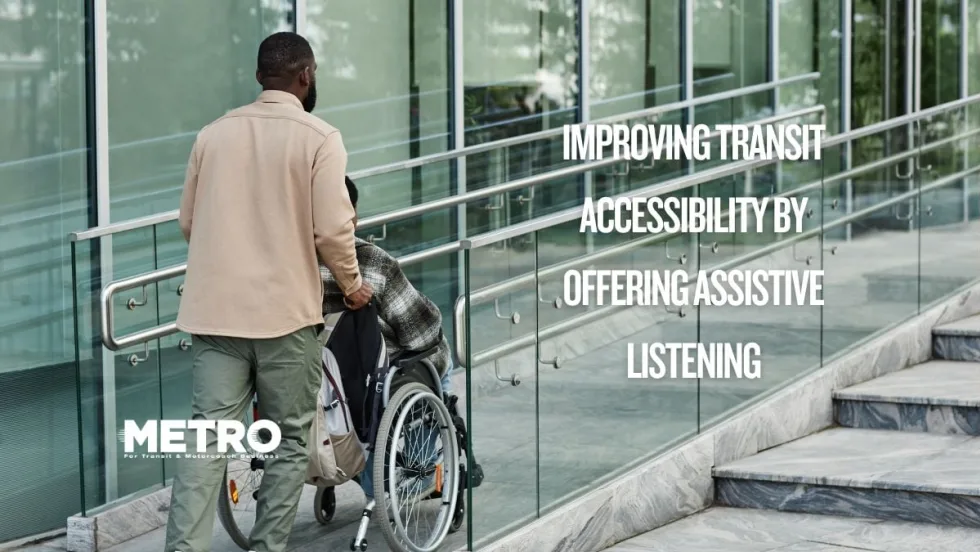
Improving Transit Accessibility by Offering Assistive Listening
Did you know that there are literally tens of millions of people worldwide with hearing loss, many of whom will use some form of public transit at some point?
Read More →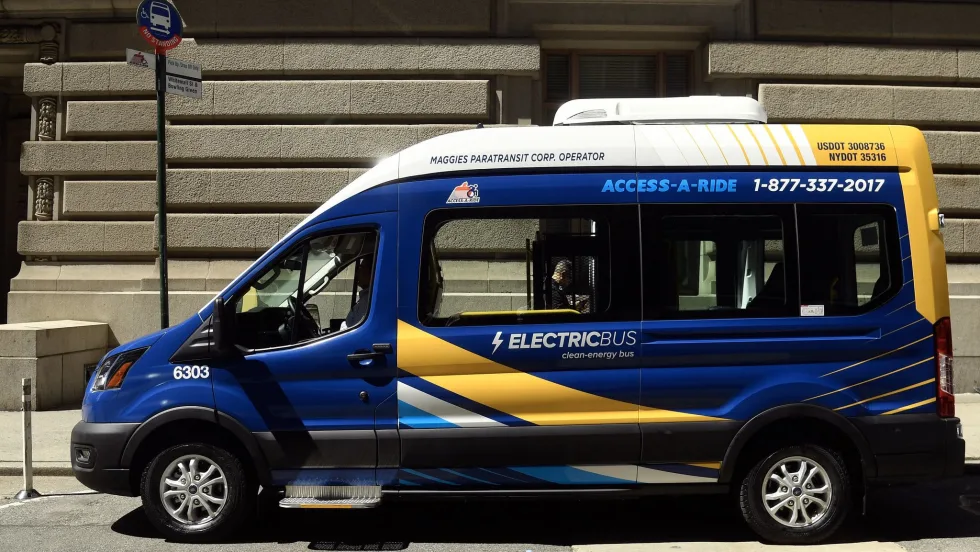
35 Years of the ADA, Making Travel Easier for Seniors
Thirty-five years after the passage of the Americans with Disabilities Act of 1990 (ADA), the impact of this landmark piece of civil rights legislation cannot be overstated.
Read More →
Driving Performance with Purpose: How I Lead One of Greyhound’s Top Teams
Safety, on-time performance, and customer experience are critical elements in intercity bus operations. But getting them right doesn’t come down to plans or protocols alone. It comes down to execution. How well your team performs on the ground, in real time, is what defines success.
Read More →
Navigating Emerging Privacy Laws: A Call to Action for Service Providers in Mass Transit
With Data Privacy Day Jan. 28, I want to spotlight a critical challenge faced by service providers in the mass transit sector: managing personal information responsibly in an era of rapidly evolving privacy regulations.
Read More →
Human Trafficking Awareness: What Public Transportation Can Do?
January is National Slavery and Human Trafficking Prevention Month in the U.S., and January 11 is National Human Trafficking Awareness Day.
Read More →
Want to Improve Transit Safety and Operations? Break Down the Silos
Retrieving and reviewing data and video can be a cumbersome process for fleet managers. Each system or tool provides a piece of the puzzle, but seeing the complete picture requires tedious manual synchronization.
Read More →
Ensuring Public Transit Cybersecurity Through Robust Protective Measures
In today’s highly connected world, cybersecurity is of utmost importance, particularly for transportation agencies overseeing transit bus systems that rely increasingly on sophisticated technologies, including the use of data analytics in traffic signal networks, to manage and operate their systems.
Read More →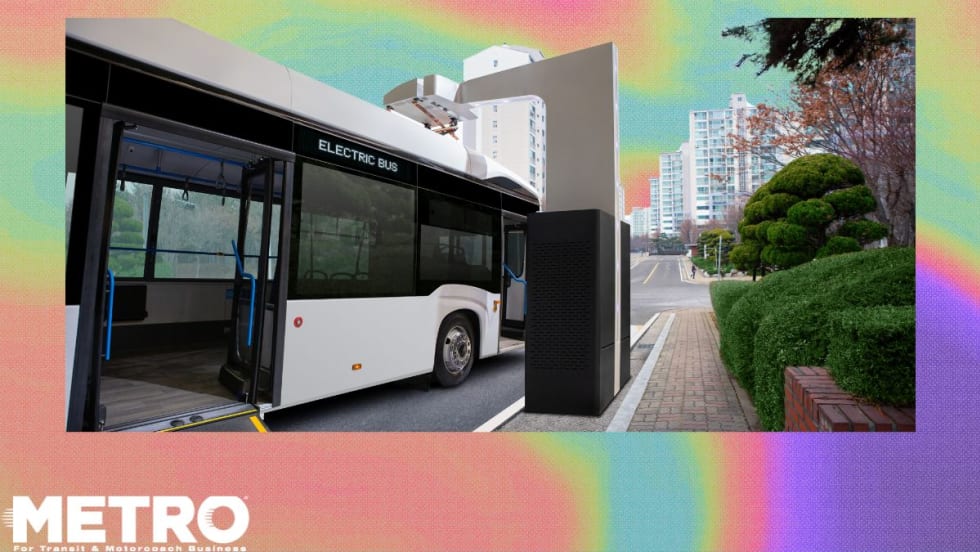
How Advances in Thermal Management Revolutionize Urban Mobility
In the daily hustle and bustle of city life, transit buses serve as the backbone of urban transportation, allowing millions of city dwellers to get from point A to point B each day reliably.
Read More →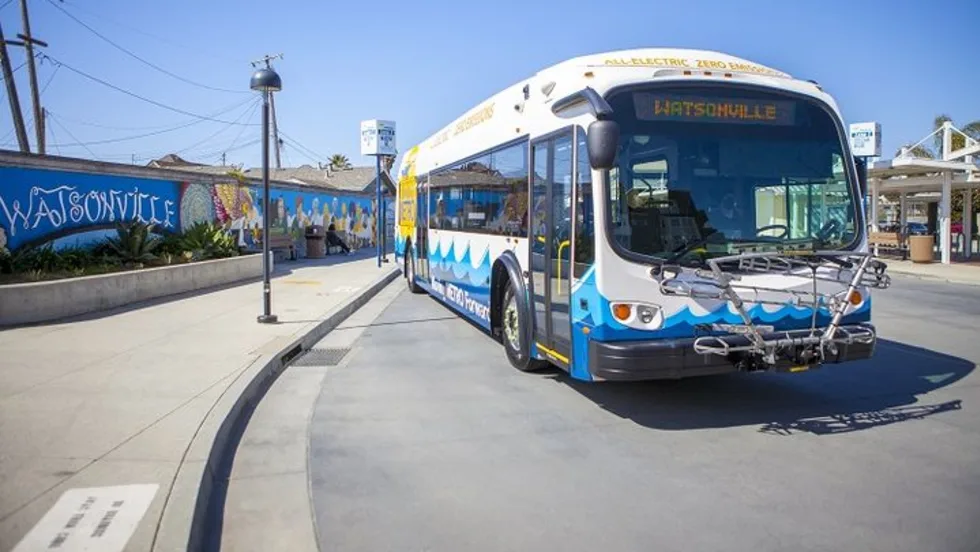
The Evolution of Bus Design
Thirty years ago, drivers not only had to drive the bus and navigate heavy traffic, but they were also responsible for tasks like supervising passenger loading and unloading, selling tickets, and providing passengers with various kinds of information, all while sitting in an often ill-fitting workstation.
Read More →
What 'Transit Safety 101' Really Means
Safety, Safety, Safety. This word is used repeatedly, and in many contexts, without most people understanding what it actually means.
Read More →