



Protestors bring transit, civil liberties to forefront
Shutting off cell phone service. Closing stations. Arresting protestors. BART struggles to strike a balance between accommodating the citizens' right to demonstrate while safely transporting riders. While doing so, it sets a precedent for other transit agencies across the U.S.

Protests in San Francisco are just as much a part of the city’s identity as the sourdough bread and clam chowder tourists clamor for at Pier 39, the Golden Gate Bridge and the infamously icy summers.
Activists abound, holding demonstrations for the rights of workers, gay people, the homeless, the environment, immigrants, bikers, animals, and against war and restrictions on civil liberties. Whatever your cause is, there’s a protest you can join, at almost any time of day. It’s about as easy as getting a cup of coffee, and the charged, vocal nature of the city is one of the characteristics of it that I love and miss.
I used to work in San Francisco and live across the Bay, and, of course, I used Bay Area Rapid Transit (BART) for my commute. Because of the nature of the city, I was in no way surprised to hear about the protests of BART police shooting a transient man that allegedly threatened them with a knife, but was floored at some of the agency’s responses to the protestors.
When I read that The Daily Beast and the San Francisco Chronicle were reporting that a BART spokesman supposedly said that riders “don’t have the right to free speech inside the fare gates,” and had thought of the idea to shut down cell phone service and the busiest stations during rush hour, I have to admit, I thought the comment was a gaffe, the actions went too far, and that the protestors were right to be angry. I didn’t think the hackings, first by the group Anonymous, and then by an unidentified culprit, were justified, but I thought there was a good chance the agency may have overreacted, especially when the Federal Communications Commission (FCC) announced it would investigate BART’s action.
On the other hand, it couldn’t have been easy for BART police and other staff. As the subject came up with friends, I found myself defending the agency for the difficult position they were in and seeing more gray area in the situation than I likely would have in the past. This time, the protests were targeting BART, and, during one of the protests when demonstrators were crowding platforms and blocking train doors, they were interfering with riders’ safety, and BART’s job is to transport people safely and efficiently. Their responsibility is to the riders, and, with so much hostility leveled at them, whether you agree or not with the reasons for it, it must have been challenging to react.
It will be interesting to see what happens with today’s meeting, held by BART’s board of directors and open to the public, to discuss its wireless policy and the FCC investigation. It is the first reported U.S. governmental agency to shut wireless access as a security measure. Will it stick with the policy? Will other transit systems follow suit? What are your thoughts and what do you see coming out of this?
In case you missed it...
Read our METRO blog, "'The state of SEPTA's 'State of Good Repair'" here.
More Blog Posts

How Propane is Keeping EVs on the Road
Propane-powered EV charging offers reliability and scalability without sacrificing emissions goals.
Read More →
2022 Bringing Renewed Energy
Having already been on the road for a couple of conferences, both folks in the public transit and motorcoach sectors have a lot of optimism the ship is starting to correct itself, and it’s good to see all the energy out on the show floors and in the halls.
Read More →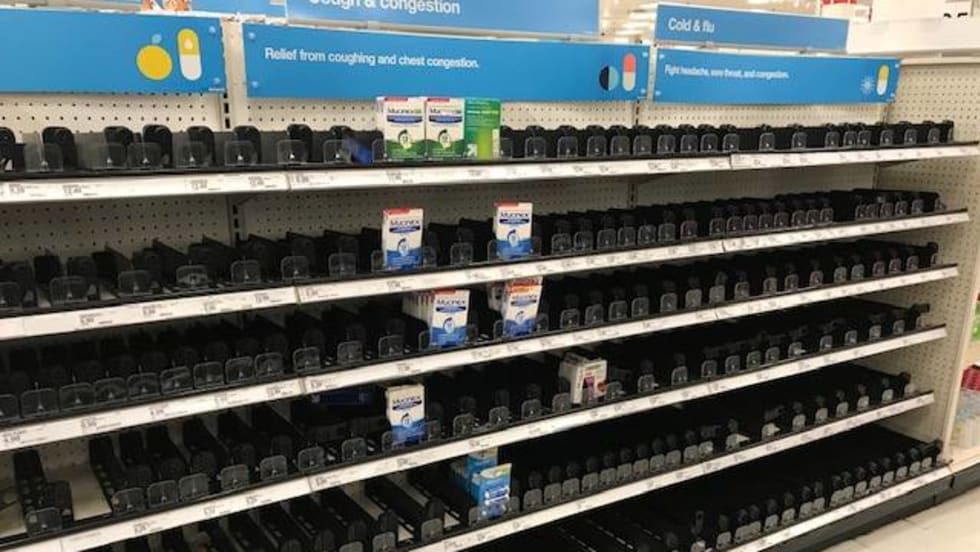
Have you thanked your 'essential' service worker today?
When panic surrounding the coronavirus began to ramp up in my area, I’ll admit, I was right there with everyone else stockpiling up...
Read More →
Leadership should ride transit — 'just like us'
Recently, media outlets in Boston were all atwitter when Massachusetts Gov. Charlie Baker was spotted riding the T.
Read More →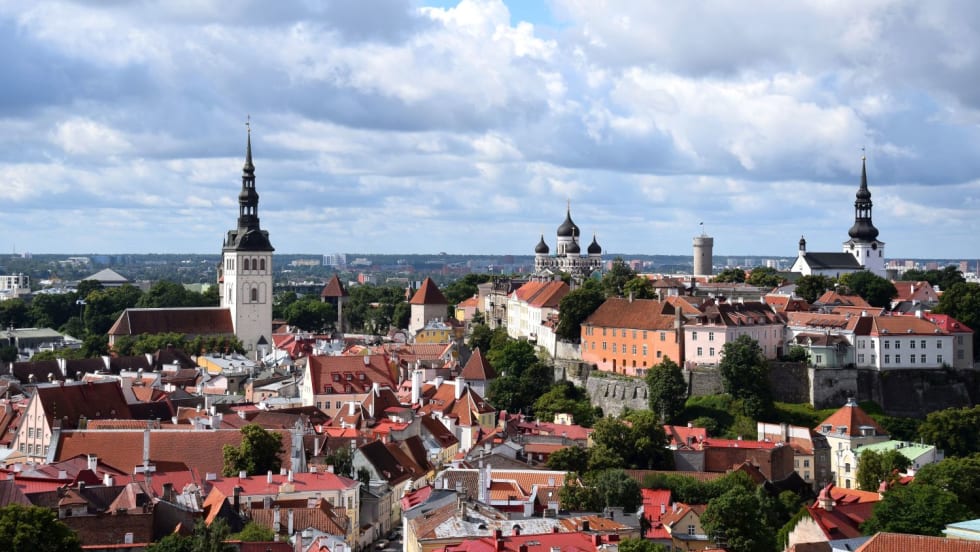
Transit can no longer ignore the benefits linked to offering free fares
Six years ago, Tallinn, the capital of Estonia, became “the world's first" to introduce free public transport for all its residents.
Read More →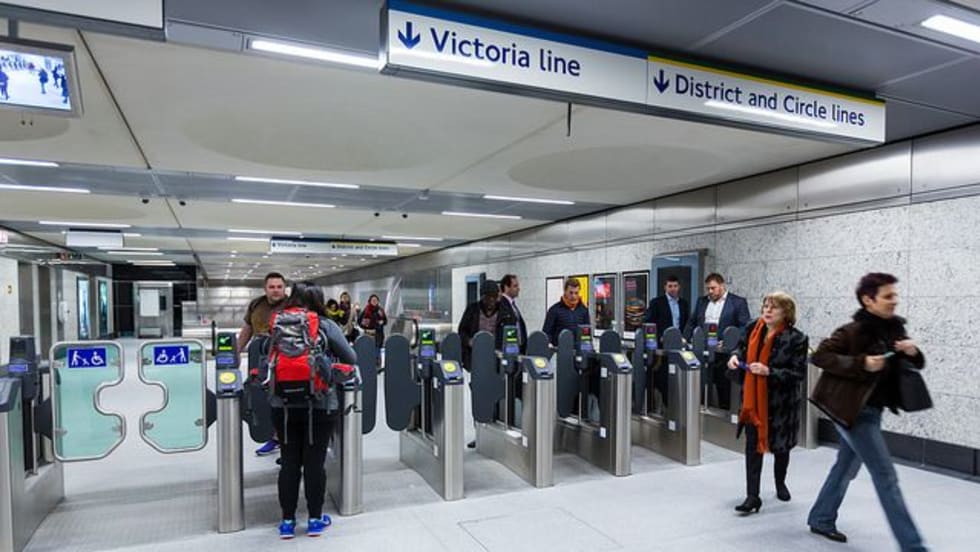
Safeguard my personal data — our democracy depends on it
“Cities and private companies must take steps to safeguard data and ensure that individual privacy — a foundation of democratic society — is protected.”
Read More →
Fighting against human trafficking is everyone's duty
U.S. traffickers have been shown to use all modes of transportation to find their next victims. Initiatives are being placed to combat trafficking and empower operators to act.
Read More →
Focusing on ‘abilities’ gives those with disabilities a ‘sense of purpose’
I recently learned about a program offered by Transport for London that provides “people with mild to moderate learning disabilities and those on the autism spectrum the chance to gain skills and work experience.”
Read More →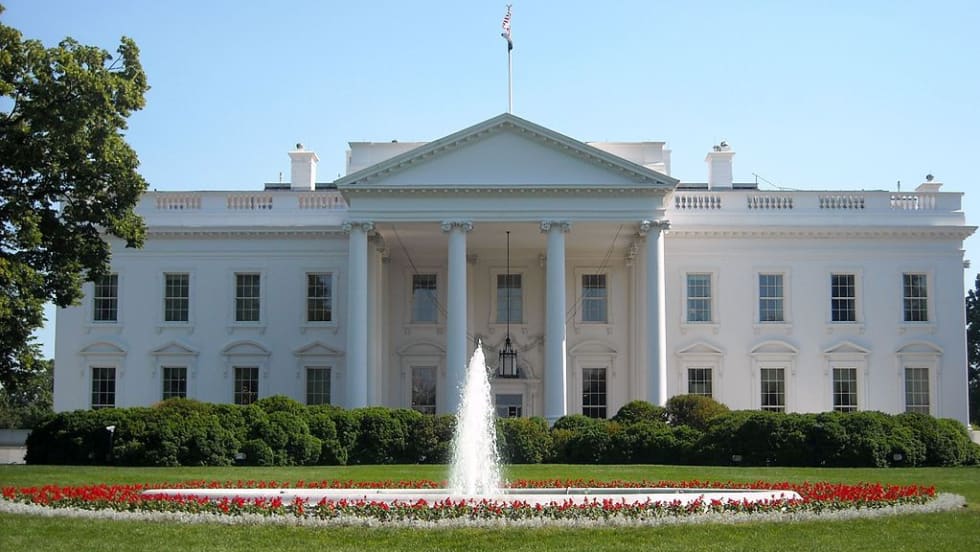
Come Together to Shut Down the Shutdown, Fund a Transit Bill
As I write this, we are a few days away from another potential government shutdown if negotiations on border security are not hammered out.
Read More →
New Year, New Hopes for the Motorcoach Industry
Hiring and retaining drivers is the greatest challenge facing motorcoach operators, according to 70% of respondents of METRO Magazine's 2019 Motorcoach Survey. The public transit industry is not immune to this issue either.
Read More →