




Related: Engagement helps temper negative customer feedback via Twitter
Recognizing a Job Well Done at Your Bus Operation
In most organizations, 80% to 95% of all bus operators are found to be safe, reliable and courteous, but often, they don’t know it because nobody tells them. If safe bus operation represents a core value for your property, what are you leaders doing to encourage and reinforce the desired behaviors among your bus operators?
June 8, 2015

3 min to read

An important aspect of being a manager is recognizing the contributions of your hard-working people, those individuals that are performing their jobs at a consistently high level. The simple act of recognizing someone’s positive contributions will encourage and inspire them to sustain their efforts. This practice promotes worker engagement as defined by Gallup Inc. in their “12 Elements of Great Managing.”
In most organizations, 80% to 95% of all bus operators are found to be safe, reliable and courteous, but often, they don’t know it because nobody tells them. If safe bus operation represents a core value for your property, what are you leaders doing to encourage and reinforce the desired behaviors among your bus operators?
When we let our people know how much we appreciate their contributions, they will be more apt to perform at their best and less prone to cut corners that can lead to trouble. Recognition means a lot to your operators. Heck, everyone loves an honest compliment. So, when was the last time someone from management told a bus operator something specific about their performance that was positive? It is easy to overlook the importance of telling drivers they are doing a good job.
In his book, “Drive,” author Daniel Pink points out the importance of recognition and how it motivates us to achieve mastery. Due to our inherent nature, we actually want feedback — we want to know how we are doing and get excited by the progress we are making through our efforts.
Being recognized as a master mechanic, an ace driver, or the “friendliest” operator brings distinction, and ultimately, a sense of pride in our accomplishments.
If every operator truly strives for excellence — the agency wins, our passengers win and your employees win. This represents the Triple Crown for transit.
In his BBC television documentary series, “The Ascent of Man,” Jacob Bronowski suggests the most powerful drive in humans is pleasure in our own skills. We love to do what we do well, and having done a task well, we will strive to do it even better so we can marvel at our own abilities.
When seeking mastery, people become fully engaged and will push themselves to become “the best” at something that matters to them. Clear, objective and “actionable” feedback is the fuel that drives developing operators forward in their pursuit of perfection.
Consistent reinforcement of desired behaviors by managers and supervisors will keep operators focused on doing the right things at the right times.
When we foster a culture within our organizations that consistently recognizes contribution and proficiency, operators will become much more open to objective feedback — even if it takes the form of correction and/or discipline. This is due to the trust that will develop when operators know that their daily work is being valued, fairly measured, and that management is committed toward helping them by providing the tools and support needed for their success.
Steve Mentzer is manager, transit simulations, training & courseware, L-3 D.P. Associates.
In case you missed it...
Read our previous blog, "Creating Standards in Bus Operations."
Subscribe to Our Newsletter
More Blog Posts

Improving Transit Accessibility by Offering Assistive Listening
Did you know that there are literally tens of millions of people worldwide with hearing loss, many of whom will use some form of public transit at some point?
Read More →
35 Years of the ADA, Making Travel Easier for Seniors
Thirty-five years after the passage of the Americans with Disabilities Act of 1990 (ADA), the impact of this landmark piece of civil rights legislation cannot be overstated.
Read More →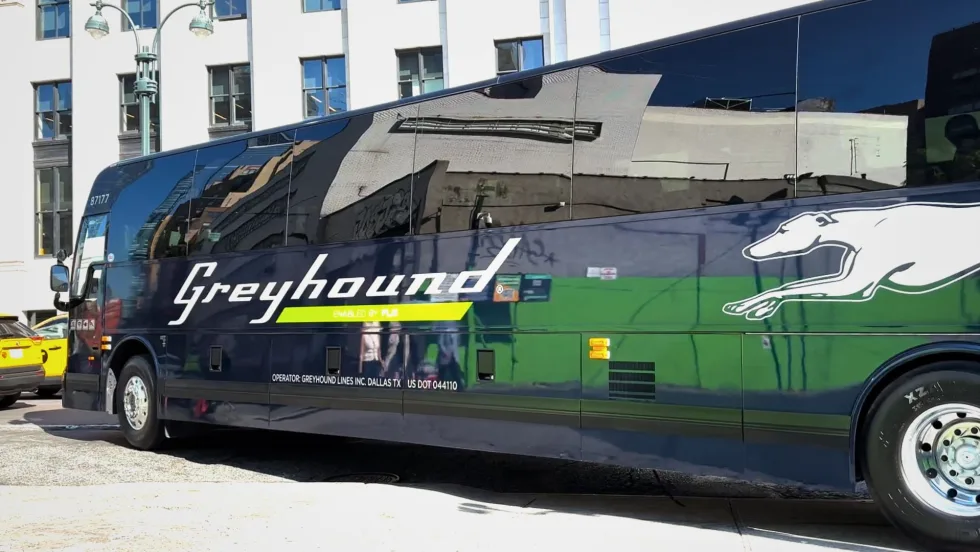
Driving Performance with Purpose: How I Lead One of Greyhound’s Top Teams
Safety, on-time performance, and customer experience are critical elements in intercity bus operations. But getting them right doesn’t come down to plans or protocols alone. It comes down to execution. How well your team performs on the ground, in real time, is what defines success.
Read More →
Navigating Emerging Privacy Laws: A Call to Action for Service Providers in Mass Transit
With Data Privacy Day Jan. 28, I want to spotlight a critical challenge faced by service providers in the mass transit sector: managing personal information responsibly in an era of rapidly evolving privacy regulations.
Read More →
Human Trafficking Awareness: What Public Transportation Can Do?
January is National Slavery and Human Trafficking Prevention Month in the U.S., and January 11 is National Human Trafficking Awareness Day.
Read More →
Want to Improve Transit Safety and Operations? Break Down the Silos
Retrieving and reviewing data and video can be a cumbersome process for fleet managers. Each system or tool provides a piece of the puzzle, but seeing the complete picture requires tedious manual synchronization.
Read More →
Ensuring Public Transit Cybersecurity Through Robust Protective Measures
In today’s highly connected world, cybersecurity is of utmost importance, particularly for transportation agencies overseeing transit bus systems that rely increasingly on sophisticated technologies, including the use of data analytics in traffic signal networks, to manage and operate their systems.
Read More →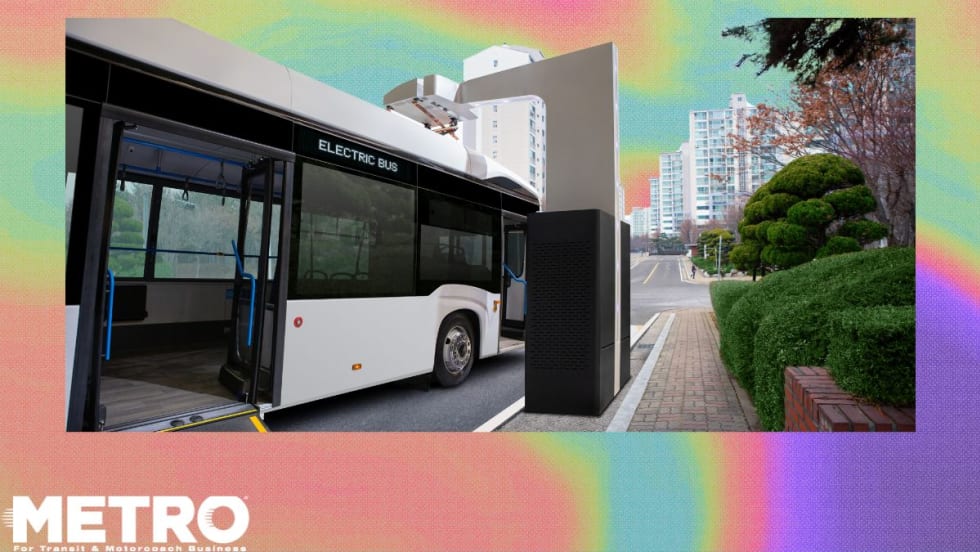
How Advances in Thermal Management Revolutionize Urban Mobility
In the daily hustle and bustle of city life, transit buses serve as the backbone of urban transportation, allowing millions of city dwellers to get from point A to point B each day reliably.
Read More →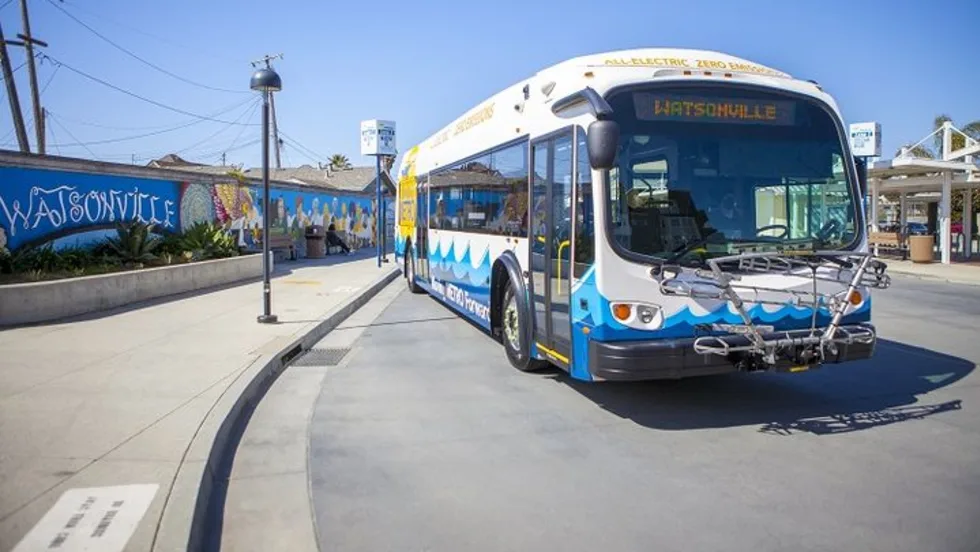
The Evolution of Bus Design
Thirty years ago, drivers not only had to drive the bus and navigate heavy traffic, but they were also responsible for tasks like supervising passenger loading and unloading, selling tickets, and providing passengers with various kinds of information, all while sitting in an often ill-fitting workstation.
Read More →
What 'Transit Safety 101' Really Means
Safety, Safety, Safety. This word is used repeatedly, and in many contexts, without most people understanding what it actually means.
Read More →