



The Importance of an Effective 'Train the Trainer' Program
Nothing can be more frustrating for new Bus Operator Instructors than seeing students, not long after qualifying and moving forward to Depot Route Training, move away from the correct skill applications they were taught on the training bus, to what someone else may be telling them. In many cases that someone else is the Route Bus Operator they are assigned to, who often confront students with a "this is the real world, not the training bus" mentality.

Nothing can be more frustrating for new Bus Operator Instructors than seeing students, not long after qualifying and moving forward to Depot Route Training, move away from the correct skill applications they were taught on the training bus, to what someone else may be telling them. In many cases that someone else is the Route Bus Operator they are assigned to, who often confront students with a "this is the real world, not the training bus" mentality. Who student operators are assigned to once they leave their instructor is an important piece of the training process.
Although who the bus operators' students are assigned to for Route Training, in most cases, may not be actual "Trainers," they should be an extension of the Training Center, continuing the training philosophy that was given to the student and not allowing their own personal styles to get in the way. In time, new students will develop their own style along with the needed confidence. If they are taught correctly from day one, chances are that their styles will not deviate greatly from their initial training experience.
To keep a positive consistent flow from training bus to Route Training, here are a few guidelines:
How are your Route Trainers chosen? Are they simply friends or someone you may have driven with? Although friends, these types may not be someone you would want your child to be taught by during the break-in process.
Do you have standards such as:
Minimum amount of years behind the wheel
Collision/Incident free for a specific amount of time
Free from customer complaints and disciplinary action
Good attendance etc...
Ask yourself, "would I put my child with this operator?"
Are there incentives for an operator to become a Route Trainer aside from the additional hourly bonus money paid at some Transit properties? Such as:
Recognition photo in the depot
Shoulder patch
Pins
How up to date are the Route Trainers on the latest training applications being taught? Route instructors are sometimes faced with students who may have been taught something that was not taught during their training years ago. Here is where having a class for Route Trainers comes into play. Returning to the Training Center for a class on current training applications will eliminate any confusion once the student is assigned to them for Route Training. They should get familiarized with the same tasking/evaluation forms that the student was given on their first day of employment.
Finally, for tracking purposes and to ensure that the student is doing most of the daily driving (at least six hours per day) and not the Depot Route Trainer, the student should be equipped with a "Record of Student" card during Depot Route Training. The student should have the Depot Route Trainer(s) sign each day and log the amount of time the student spends behind the wheel.
I hope some of these ideas can help.
Thanks!
Louie Maiello
More Blog Posts

Improving Transit Accessibility by Offering Assistive Listening
Did you know that there are literally tens of millions of people worldwide with hearing loss, many of whom will use some form of public transit at some point?
Read More →
35 Years of the ADA, Making Travel Easier for Seniors
Thirty-five years after the passage of the Americans with Disabilities Act of 1990 (ADA), the impact of this landmark piece of civil rights legislation cannot be overstated.
Read More →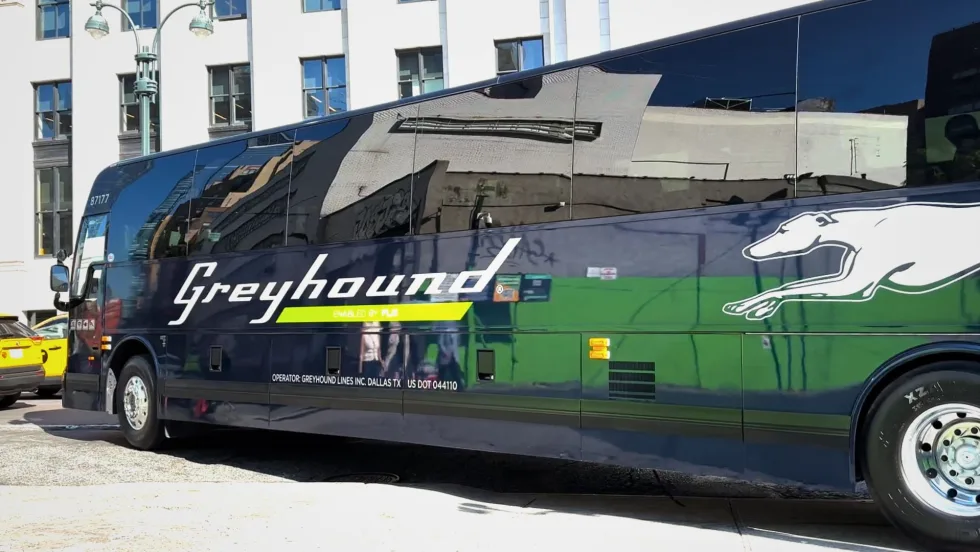
Driving Performance with Purpose: How I Lead One of Greyhound’s Top Teams
Safety, on-time performance, and customer experience are critical elements in intercity bus operations. But getting them right doesn’t come down to plans or protocols alone. It comes down to execution. How well your team performs on the ground, in real time, is what defines success.
Read More →
Navigating Emerging Privacy Laws: A Call to Action for Service Providers in Mass Transit
With Data Privacy Day Jan. 28, I want to spotlight a critical challenge faced by service providers in the mass transit sector: managing personal information responsibly in an era of rapidly evolving privacy regulations.
Read More →
Human Trafficking Awareness: What Public Transportation Can Do?
January is National Slavery and Human Trafficking Prevention Month in the U.S., and January 11 is National Human Trafficking Awareness Day.
Read More →
Want to Improve Transit Safety and Operations? Break Down the Silos
Retrieving and reviewing data and video can be a cumbersome process for fleet managers. Each system or tool provides a piece of the puzzle, but seeing the complete picture requires tedious manual synchronization.
Read More →
Ensuring Public Transit Cybersecurity Through Robust Protective Measures
In today’s highly connected world, cybersecurity is of utmost importance, particularly for transportation agencies overseeing transit bus systems that rely increasingly on sophisticated technologies, including the use of data analytics in traffic signal networks, to manage and operate their systems.
Read More →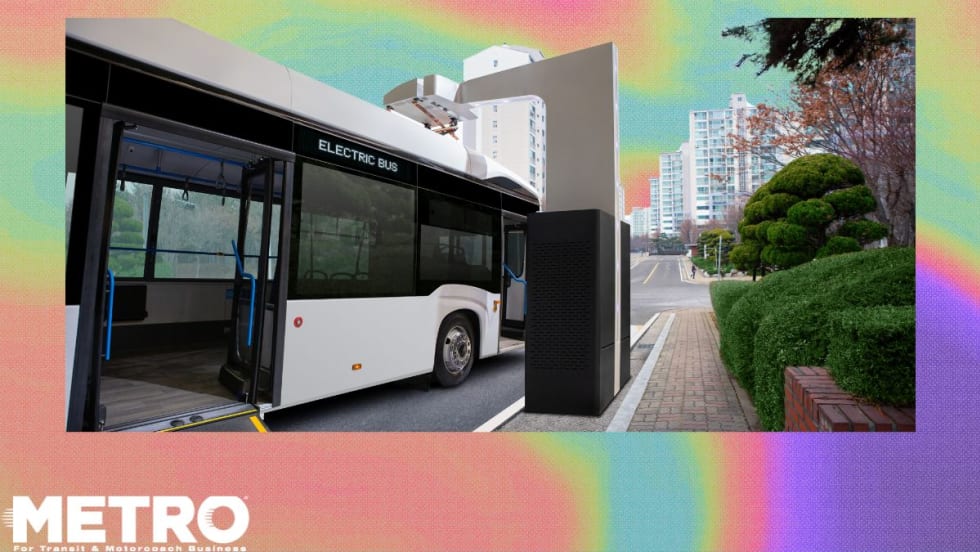
How Advances in Thermal Management Revolutionize Urban Mobility
In the daily hustle and bustle of city life, transit buses serve as the backbone of urban transportation, allowing millions of city dwellers to get from point A to point B each day reliably.
Read More →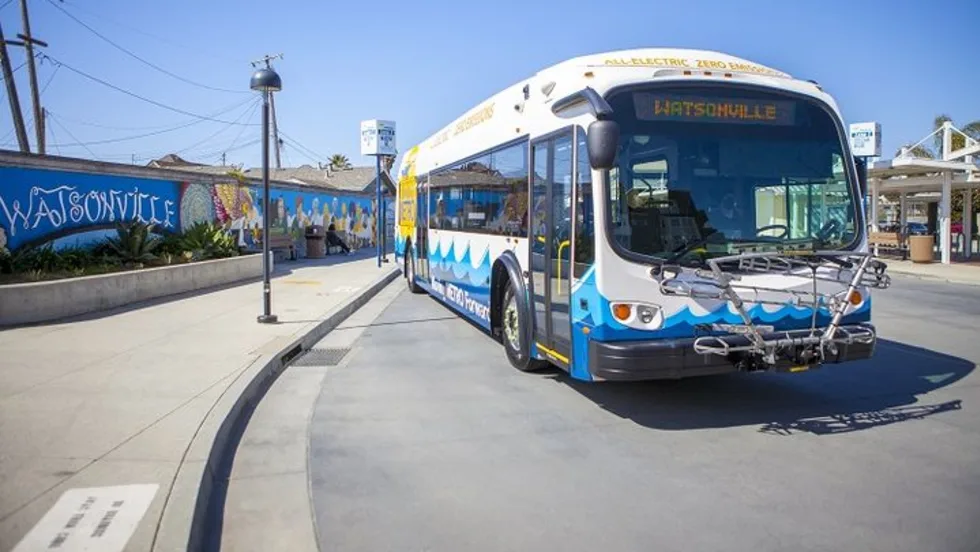
The Evolution of Bus Design
Thirty years ago, drivers not only had to drive the bus and navigate heavy traffic, but they were also responsible for tasks like supervising passenger loading and unloading, selling tickets, and providing passengers with various kinds of information, all while sitting in an often ill-fitting workstation.
Read More →
What 'Transit Safety 101' Really Means
Safety, Safety, Safety. This word is used repeatedly, and in many contexts, without most people understanding what it actually means.
Read More →