




RELATED: The Hidden Factor in Bus Accidents when Human Error is the Cause
Training Bus Skill Development...Lengthy, Costly, and Risky
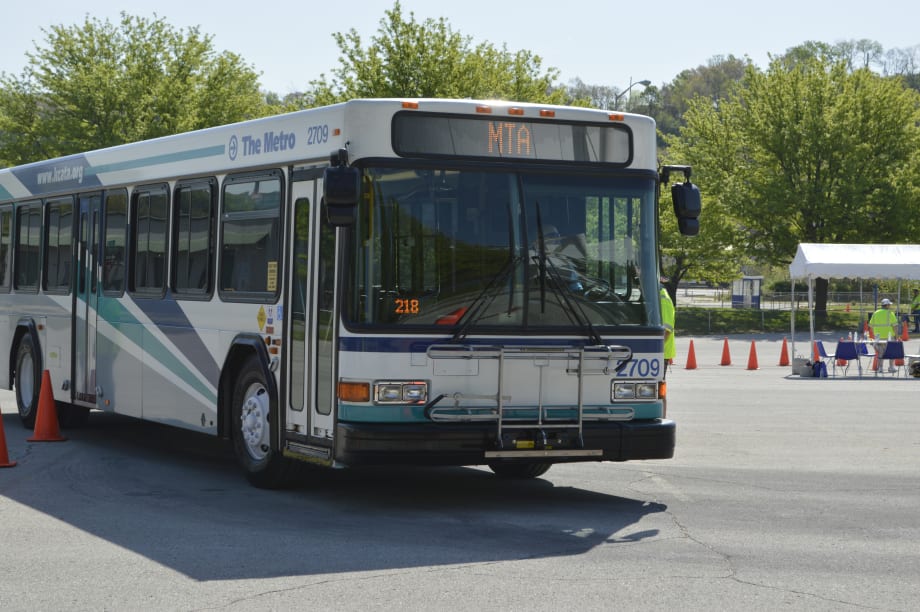
A well thought out flow of what curriculum should be introduced, as well as its level of difficulty for each day, will easily begin to determine those students that are standing out from their peers as either progressing favorably or lagging behind the other training bus students.
February 8, 2017
3 min to read
Unfortunately, I’ve seen too many new candidate bus operator programs that are in need of a streamlined upgrade. The biggest concerns are:
Curriculum flow
Wasted training dollars & time
Training until one gets it
A well thought out flow of what curriculum should be introduced, as well as its level of difficulty for each day, will easily begin to determine those students that are standing out from their peers as either progressing favorably or lagging behind the other training bus students. The degree of difficulty should progress upward in a slow but consistent manner amongst the staff of instructors. Well-trained instructors implementing nothing less than a standardized training program makes this a reality.
Many agencies allow their instructors to become personally attached to a new student due to the initial basic skill development being excessively long. The longer it takes to make the call on whether a new student advances or must resign from training, the more training dollars will be spent. It should not be this way. There is a program that utilizes training dollars smartly and only where needed, while still advancing the cream of the crop of students through training. This savings can be put to use for other training needs. I’ve had the opportunity to share this in my travels to transit agencies and will continue to do so until I no longer have an audience. Knowing how to implement it and understanding all the ingredients that have made this successful in its implementation is what attacks and resolves the issues I mentioned above.
Training "until one gets it," rather than having a mandatory cutoff date where training ceases, is not only dangerous but deceitful. Longer training does not necessarily produce the cream of the crop, and in some cases, those who have trained "until they get it" can experience their first collision much sooner than those who trained with the minimal amount of required training. Check your stats and see if this may be the case. Yes, some will legitimately require more time than others to hopefully qualify but "it must be within the established training days allotted."
It is the "moral responsibility" of all training departments to never advance any trainee that would be considered a hazard to the agency, the public they will serve, and the student themselves. Training “until one gets it” to satisfy hiring numbers is a risky practice. Training departments that are pressured to provide a pre-determined number of qualified students allow unqualified trainees to become operators that will undoubtedly have higher collision rates and severities. It will come back to bite us big time.
In closing, refrain from training until “one gets it.” Train within the allotted days in the standard program. When deciding to either qualify or disqualify a student, those qualifying for advancement should be only those students that you would allow without hesitation, to transport a member of your family on their bus.
Remember, be morally correct, not quota correct.
Louie is the former director of training for the New York City Transit Dept. of Buses Safety & Training Division and 2003 NTI Fellow. Currently, he is Director, Training Services, for Transit Training Solutions.
Subscribe to Our Newsletter
More Blog Posts
Improving Transit Accessibility by Offering Assistive Listening
Did you know that there are literally tens of millions of people worldwide with hearing loss, many of whom will use some form of public transit at some point?
Read More →
35 Years of the ADA, Making Travel Easier for Seniors
Thirty-five years after the passage of the Americans with Disabilities Act of 1990 (ADA), the impact of this landmark piece of civil rights legislation cannot be overstated.
Read More →
Driving Performance with Purpose: How I Lead One of Greyhound’s Top Teams
Safety, on-time performance, and customer experience are critical elements in intercity bus operations. But getting them right doesn’t come down to plans or protocols alone. It comes down to execution. How well your team performs on the ground, in real time, is what defines success.
Read More →
Navigating Emerging Privacy Laws: A Call to Action for Service Providers in Mass Transit
With Data Privacy Day Jan. 28, I want to spotlight a critical challenge faced by service providers in the mass transit sector: managing personal information responsibly in an era of rapidly evolving privacy regulations.
Read More →
Human Trafficking Awareness: What Public Transportation Can Do?
January is National Slavery and Human Trafficking Prevention Month in the U.S., and January 11 is National Human Trafficking Awareness Day.
Read More →
Want to Improve Transit Safety and Operations? Break Down the Silos
Retrieving and reviewing data and video can be a cumbersome process for fleet managers. Each system or tool provides a piece of the puzzle, but seeing the complete picture requires tedious manual synchronization.
Read More →
Ensuring Public Transit Cybersecurity Through Robust Protective Measures
In today’s highly connected world, cybersecurity is of utmost importance, particularly for transportation agencies overseeing transit bus systems that rely increasingly on sophisticated technologies, including the use of data analytics in traffic signal networks, to manage and operate their systems.
Read More →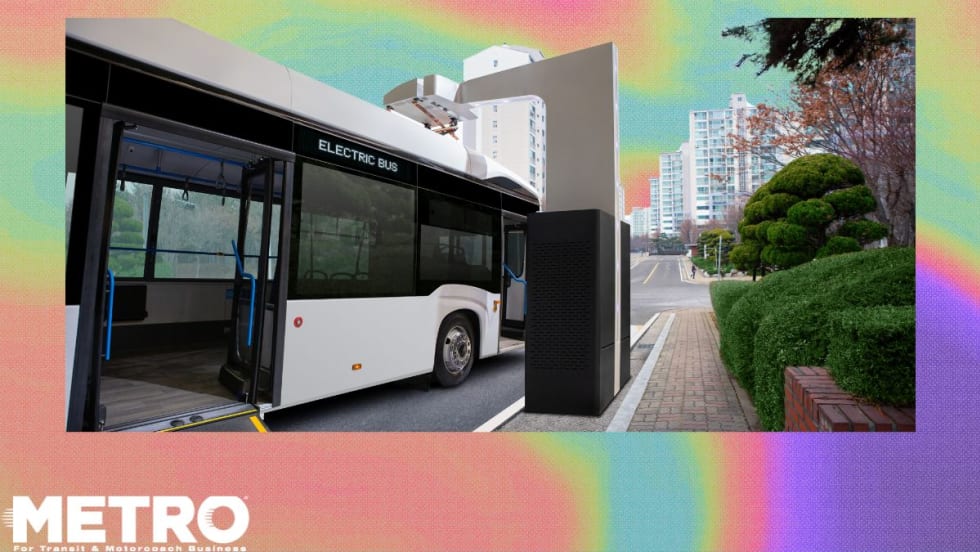
How Advances in Thermal Management Revolutionize Urban Mobility
In the daily hustle and bustle of city life, transit buses serve as the backbone of urban transportation, allowing millions of city dwellers to get from point A to point B each day reliably.
Read More →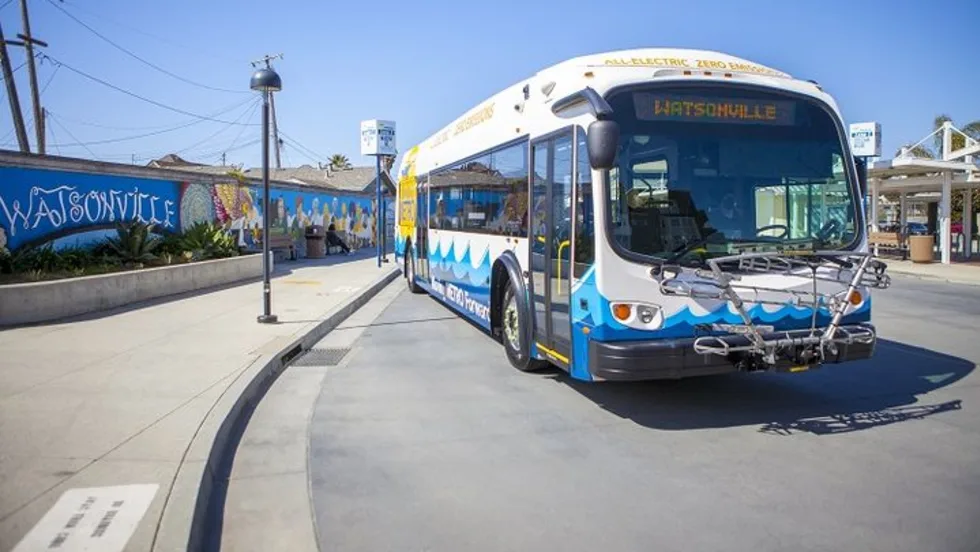
The Evolution of Bus Design
Thirty years ago, drivers not only had to drive the bus and navigate heavy traffic, but they were also responsible for tasks like supervising passenger loading and unloading, selling tickets, and providing passengers with various kinds of information, all while sitting in an often ill-fitting workstation.
Read More →
What 'Transit Safety 101' Really Means
Safety, Safety, Safety. This word is used repeatedly, and in many contexts, without most people understanding what it actually means.
Read More →