METRO Magazine Logo
MenuMENU
SearchSEARCH

Safety Corner

Alex Roman

Alex Roman

Executive Editor

Safety Corner helps you stay informed on the latest in public transit and motorcoach safety with expert insights, industry updates, and best practices. From safety regulations and accident prevention to emerging technologies and passenger security, we cover everything to keep travelers, operators, and policymakers up to date.
Safety Cornerby Steve MentzerMarch 9, 2016

Focus on Coaching to Raise Driver Training Effectiveness

Dr. Donald Kirkpatrick long ago defined four levels of evaluation to determine the effectiveness of any training program. It is common for the bulk of effort being put forth by any training department to focus on Level 1 and Level 2. This typically manifests as the time we spend planning for and executing the prescribed training activities that form our learning programs. Many organizations are now finding that they have the most potential for achieving performance improvements by focusing more energy and resources toward Level 3 activities, such as coaching.

Read More →
Safety Cornerby Louie MaielloFebruary 2, 2016

The Fixed-Post Bus Dispatcher...A Disappearing Act

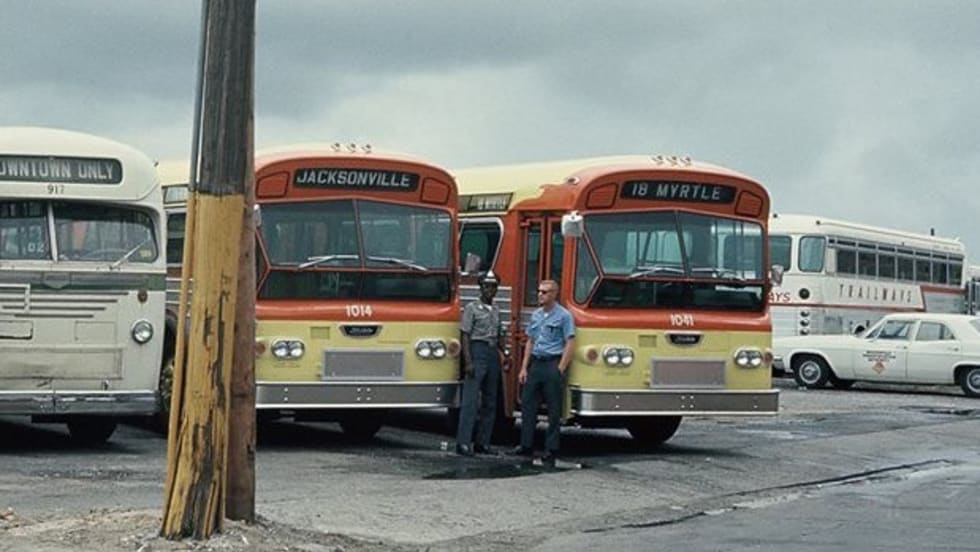
When official-plated transit authority vehicles were scarce and basically reserved for those in upper management to go about their daily business to and from meetings, etc..., road control would be the responsibility of the “fixed-post foot dispatcher.” Not all of these positions have been eliminated, but I wonder if any readers remember the stability and sense of control that was present while the foot dispatcher was on post?

Read More →
Safety Cornerby Steve MentzerDecember 28, 2015

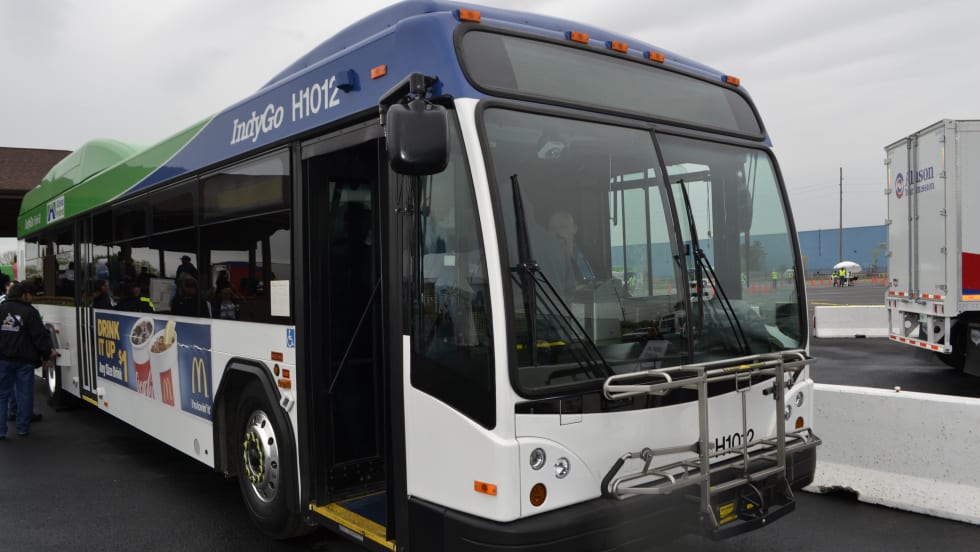
Adjust Your Bus Mirrors before Leaving the Yard

One agency decided to conduct a “safety blitz” to determine whether mirrors were being set correctly and discovered, much to their surprise, that a growing number of operators were leaving the yard in a mad rush to avoid being late — deciding to adjust their mirrors at their first available opportunity. What they learned was that many of these operators left the yard with every intention of setting their mirrors correctly. However, once these operators began servicing their routes — the task appeared to "slip their minds."

Read More →
Ad Loading...
Safety Cornerby Louie MaielloNovember 23, 2015

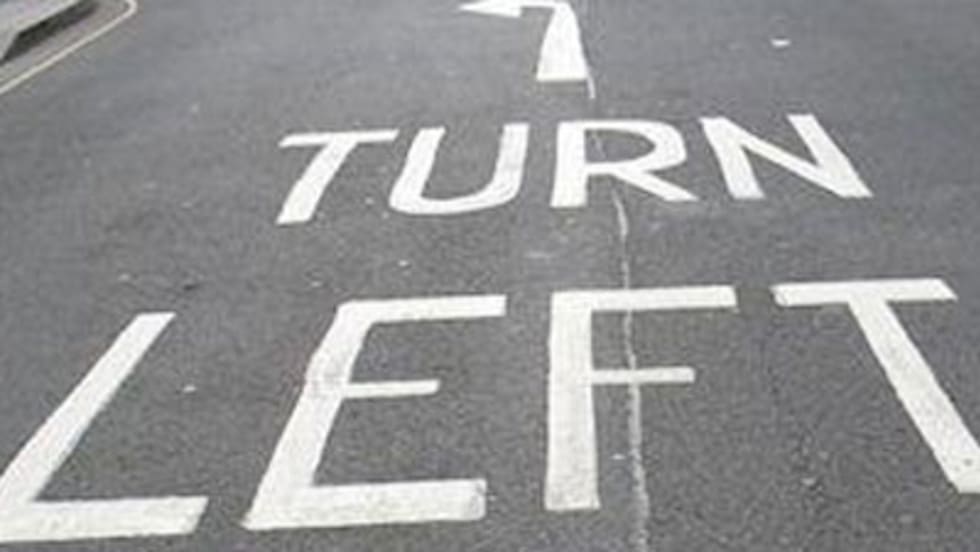
Key Steps to Managing Left-Turning Buses and Pedestrian Safety

Bus operators are not blindfolded. Operators are trained and required to identify potential hazards, based on their forward planning skills. With regard to left turns, these so called “blind spots” are really areas behind the left A-pillar/mirror that are “temporarily” obstructed to the operator, not blind to the operator. The key here is for the operators to utilize their observation and forward planning skills to minimize the time that their vision is temporarily obstructed. The pedestrian that regrettably becomes a victim of bus contact should be in the clear view of the operator long before arriving at the location where the contact occurred. Pedestrians are not “coming out of nowhere!"

Read More →
Safety Cornerby Steve MentzerNovember 11, 2015

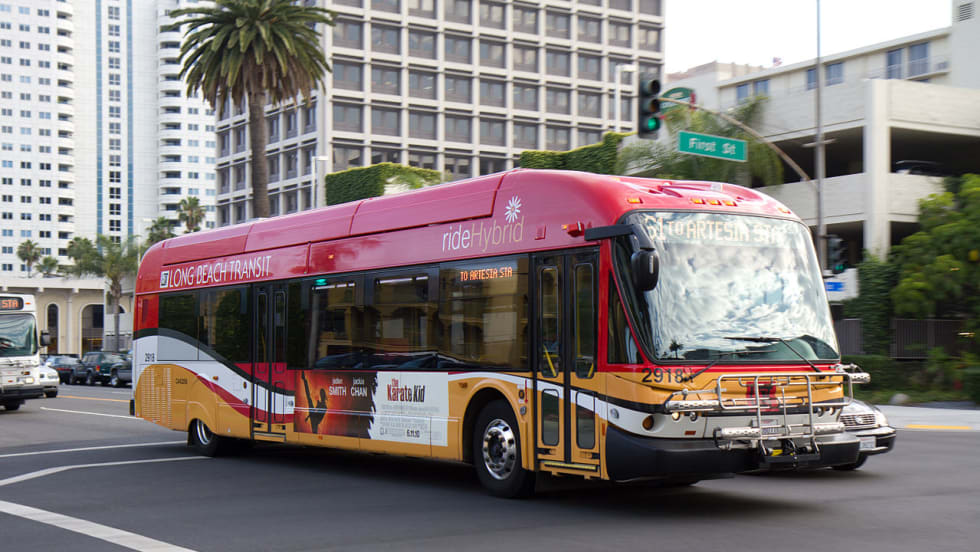
How Effective Scanning Helps Bus Operators See Potential Driving Hazards

The world is a very busy place. We rely on our eyes to provide us with information that will keep us from harm as we operate our vehicles. It is difficult to over-emphasize the importance of effective scanning in order to recognize potential hazards early enough so appropriate action can be taken to avoid conflict. As a result, we spend a lot of time advising operators how often they should scan their mirrors, where to look for hazards, and how to bring objects into view that may be temporarily obstructed, and so on.

Read More →
Safety Cornerby Louie MaielloSeptember 21, 2015

Keeping Old School Practices in New Bus Operating Training

Today I’d like to mention a few effective policies that were routinely utilized in the past, which were (and for the few agencies that still practice them) very effective in producing safe bus operators, including covering your right, terminal checks and company vehicles.

Read More →