




Related: Keeping Old School Practices in New Operator Training
The Fixed-Post Bus Dispatcher...A Disappearing Act
When official-plated transit authority vehicles were scarce and basically reserved for those in upper management to go about their daily business to and from meetings, etc..., road control would be the responsibility of the “fixed-post foot dispatcher.” Not all of these positions have been eliminated, but I wonder if any readers remember the stability and sense of control that was present while the foot dispatcher was on post?
February 2, 2016
Atomic Taco
4 min to read
Atomic Taco
When official-plated transit authority vehicles were scarce and basically reserved for those in upper management to go about their daily business to and from meetings, etc..., road control would be the responsibility of the “fixed-post foot dispatcher.” Not all of these positions have been eliminated, but I wonder if any readers remember the stability and sense of control that was present while the foot dispatcher was on post?
The fixed-post foot dispatchers/supervisors had varying assignments that changed their basic responsibilities, but their main responsibility was managing the operators that were assigned to their route(s). I say “their” route(s) because the operators that they managed were in a sense working for that foot dispatcher. The foot dispatchers being considered as the coach, considered the operators working those routes as the players they coached. It became personal to them. The manner in which the operator performed their jobs would reflect in the foot dispatcher themselves.
On the first day of a new “pick” (schedule implementation), I thought it was a great time to personally introduce myself to all operators that would be on the routes I was responsible for and conduct a respectful brief conversation informing the operators what I would and would not tolerate. One of the best means of asserting control of the road is to inform all bus operators that they must not bypass a bus stop where any member of supervision is present. I also informed each of them that I would not hide, but be visible, so they could depend on me to be there for them whenever they were in need of a service adjustment or for assistance. The way fixed-post foot dispatchers performed their jobs had a direct impact on the quality of service that a customer received.
Simply recording bus numbers on a tally sheet was not all that was required by the foot dispatcher. The primary responsibility was meeting service needs by monitoring and maintaining even headways and by the implementation of service restoration techniques. This would gradually reduce excessive gaps in service and return service back to their normal scheduled headways as quickly as possible. Fixed-post foot dispatchers also:
Played a role in maintaining good customer relations by their anticipated presence on their post.
Kept the mobile route manager informed of activity on their routes.
Provided a daily written report of service-related observations and activities.
Remained visible on post to provide any requested assistance to their operators.
Ensured that road reliefs are made and to make relief adjustments when necessary.
Checked arriving operators for proper uniform compliance.
Observed each arriving operators condition and ability to safely operate their bus.
Many foot dispatcher posts have been eliminated and replaced by mobile supervision. This is needed as they cover more ground in a shorter amount of time than the foot dispatchers who may have had to abandon their post to respond to a call on foot or using mass transportation. The negative part of the removal of so many foot dispatchers is the absence of their eyes and ears that they provided while on post. Their mere presence kept everyone honest and assured that the service provided was delivered in a smooth and regulated manner. Holding operators to their schedule departure time eliminated the need to go from terminal to terminal as quickly as possible, which usually resulted in speed being an issue.
Today, I’m afraid that in some cases with outdated schedules not providing sufficient running times for operators (being a Schedule Department issue), operators are forced to increase their speed in an attempt to maintain the schedule. If this is the case, this increase in speed dangerously repositions the 3 S’s of transportation from Safety, Service & Schedule to Schedule, Service & Safety. Schedule should never overshadow Safety at the top of the pyramid.
Today, with no or minimal fixed-post foot dispatchers to make the necessary adjustments and to slow things down where applicable, which I believe can reduce some of the collisions that occur with a route that is void of fixed-post road dispatchers, it might be time to reinstate them back to their street posts.
Is something as simple as reinstating the fixed-post foot dispatcher being overlooked as a possible deterrent to some of our knockdowns and collisions that unfortunately occur? I say bring back the fixed-post foot dispatcher.
Louie Maiello is a sr. consultant (transit training & simulation), L-3/DPA; independent consultant, Bus Talk Surface transit Solutions; and writes a monthly blog for metro-magazine.com.
Subscribe to Our Newsletter
More Blog Posts
Improving Transit Accessibility by Offering Assistive Listening
Did you know that there are literally tens of millions of people worldwide with hearing loss, many of whom will use some form of public transit at some point?
Read More →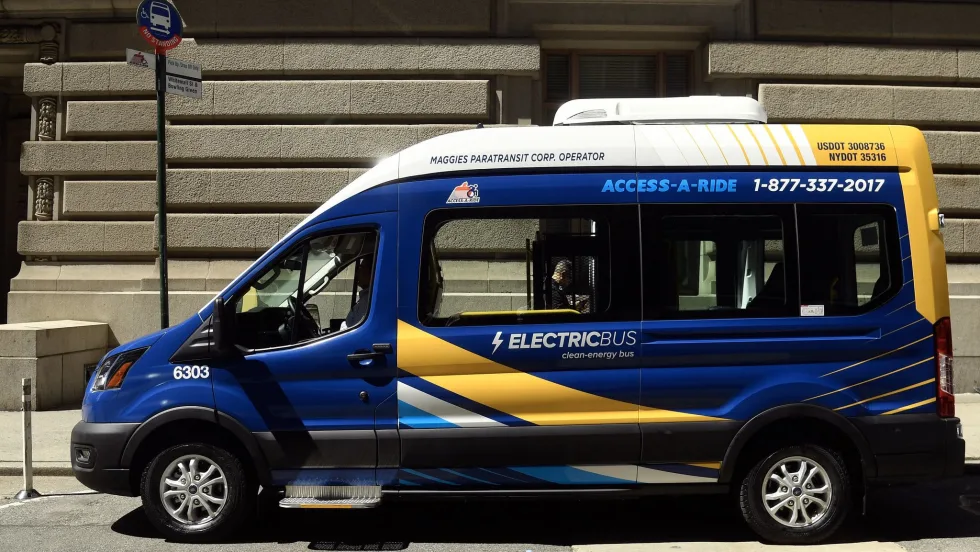
35 Years of the ADA, Making Travel Easier for Seniors
Thirty-five years after the passage of the Americans with Disabilities Act of 1990 (ADA), the impact of this landmark piece of civil rights legislation cannot be overstated.
Read More →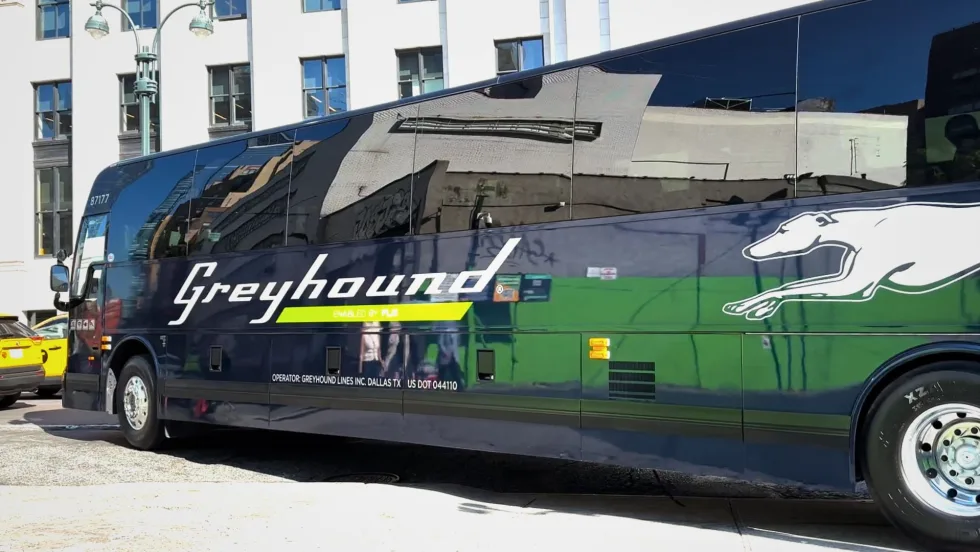
Driving Performance with Purpose: How I Lead One of Greyhound’s Top Teams
Safety, on-time performance, and customer experience are critical elements in intercity bus operations. But getting them right doesn’t come down to plans or protocols alone. It comes down to execution. How well your team performs on the ground, in real time, is what defines success.
Read More →
Navigating Emerging Privacy Laws: A Call to Action for Service Providers in Mass Transit
With Data Privacy Day Jan. 28, I want to spotlight a critical challenge faced by service providers in the mass transit sector: managing personal information responsibly in an era of rapidly evolving privacy regulations.
Read More →
Human Trafficking Awareness: What Public Transportation Can Do?
January is National Slavery and Human Trafficking Prevention Month in the U.S., and January 11 is National Human Trafficking Awareness Day.
Read More →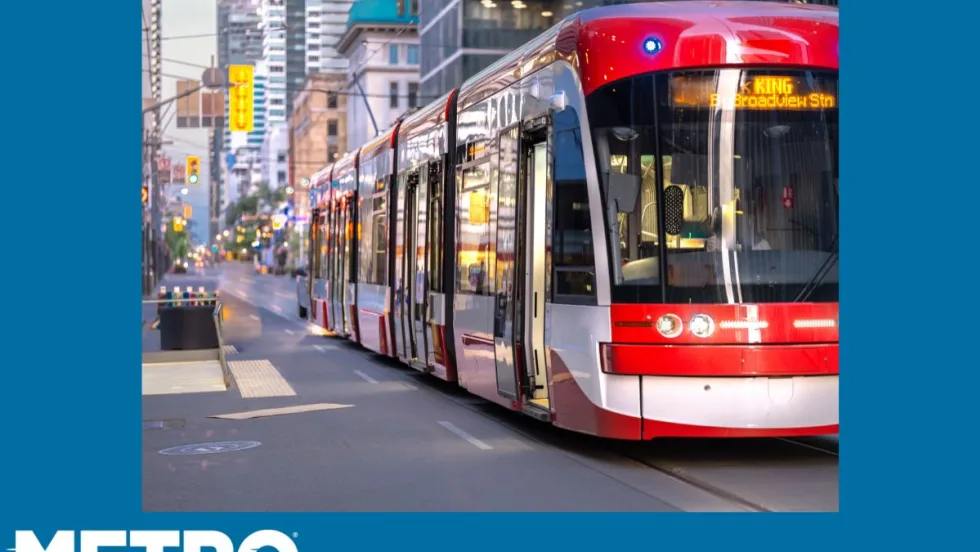
Want to Improve Transit Safety and Operations? Break Down the Silos
Retrieving and reviewing data and video can be a cumbersome process for fleet managers. Each system or tool provides a piece of the puzzle, but seeing the complete picture requires tedious manual synchronization.
Read More →
Ensuring Public Transit Cybersecurity Through Robust Protective Measures
In today’s highly connected world, cybersecurity is of utmost importance, particularly for transportation agencies overseeing transit bus systems that rely increasingly on sophisticated technologies, including the use of data analytics in traffic signal networks, to manage and operate their systems.
Read More →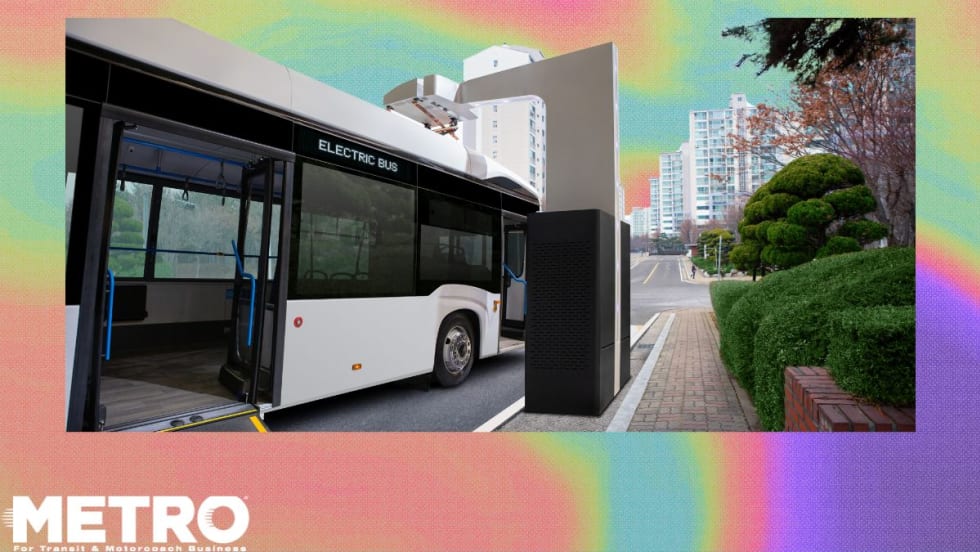
How Advances in Thermal Management Revolutionize Urban Mobility
In the daily hustle and bustle of city life, transit buses serve as the backbone of urban transportation, allowing millions of city dwellers to get from point A to point B each day reliably.
Read More →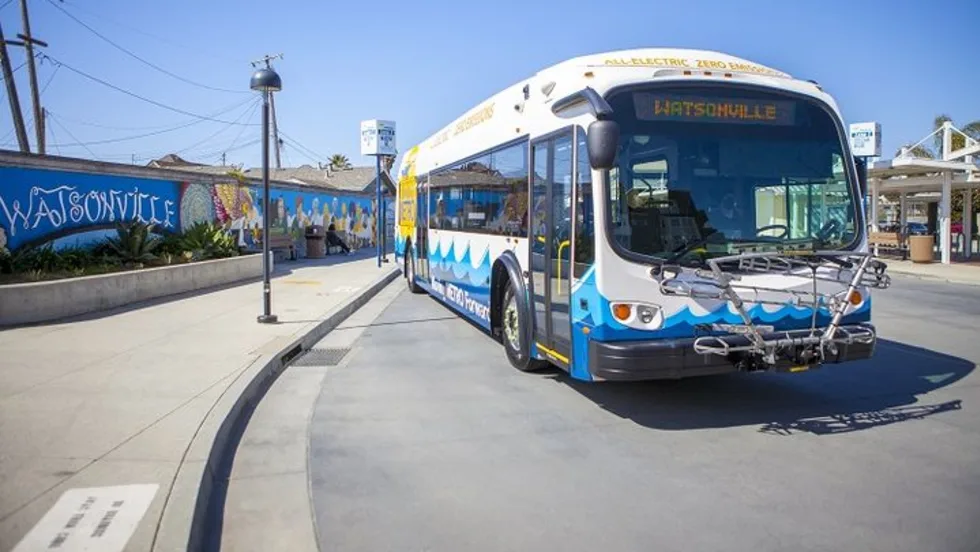
The Evolution of Bus Design
Thirty years ago, drivers not only had to drive the bus and navigate heavy traffic, but they were also responsible for tasks like supervising passenger loading and unloading, selling tickets, and providing passengers with various kinds of information, all while sitting in an often ill-fitting workstation.
Read More →
What 'Transit Safety 101' Really Means
Safety, Safety, Safety. This word is used repeatedly, and in many contexts, without most people understanding what it actually means.
Read More →