News
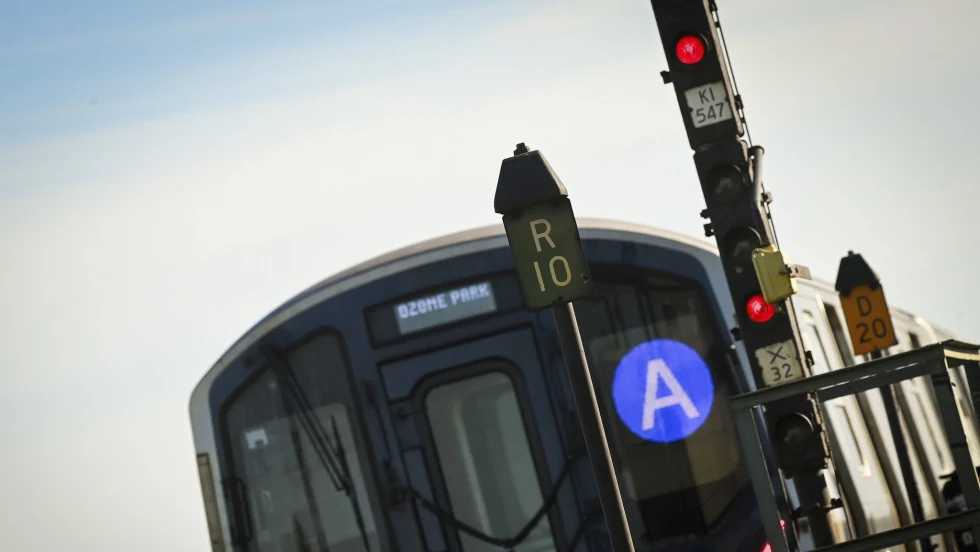
New York MTA Launches Historic $1.9B Signal, Track Modernization Project
Funded in part by congestion pricing revenue, the project will replace nearly century-old signals along the A and C lines in Brooklyn and Queens.
Read More →

 MENU
MENU SEARCH
Funded in part by congestion pricing revenue, the project will replace nearly century-old signals along the A and C lines in Brooklyn and Queens.
Read More →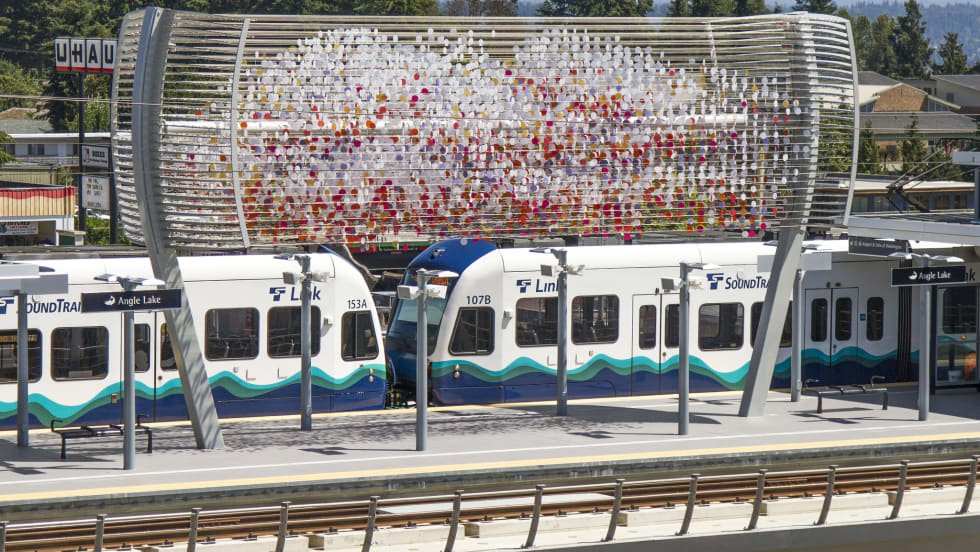
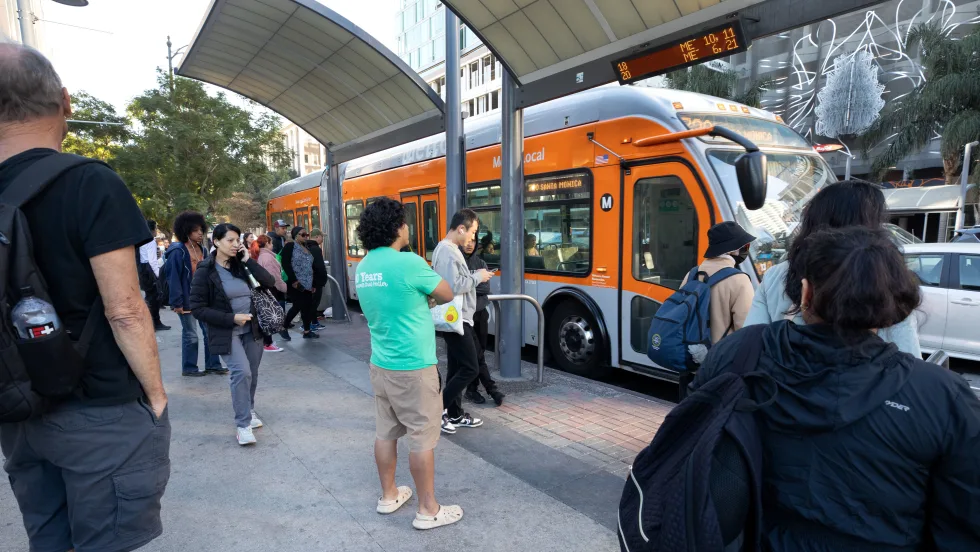
The Fare Ambassador Pilot Program grew out of passenger feedback and community engagement that expressed discomfort with fare enforcement officers who resemble law enforcement.
Read More →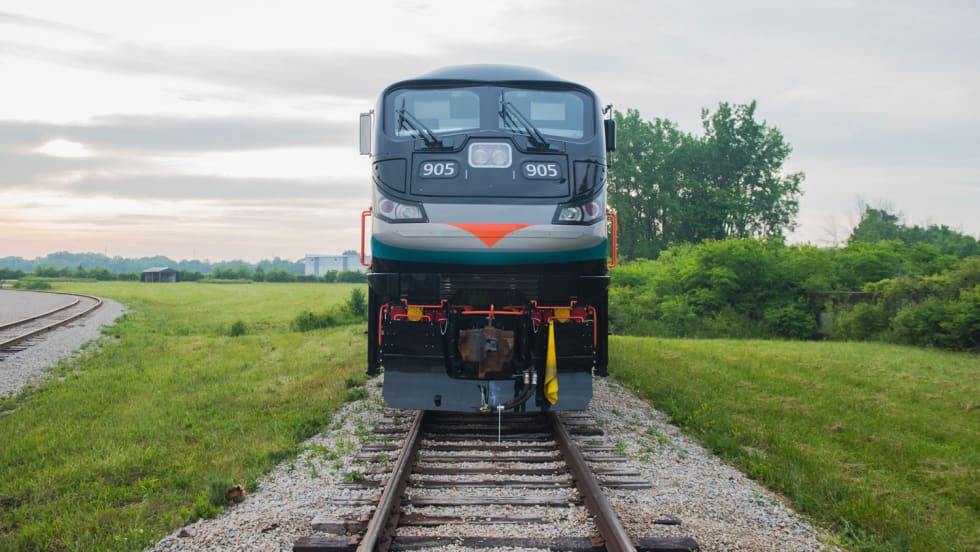
The Earthquake Early Warning System uses data from the USGS-operated ShakeAlert® to notify Metrolink’s PTC system that an earthquake has occurred.
Read More →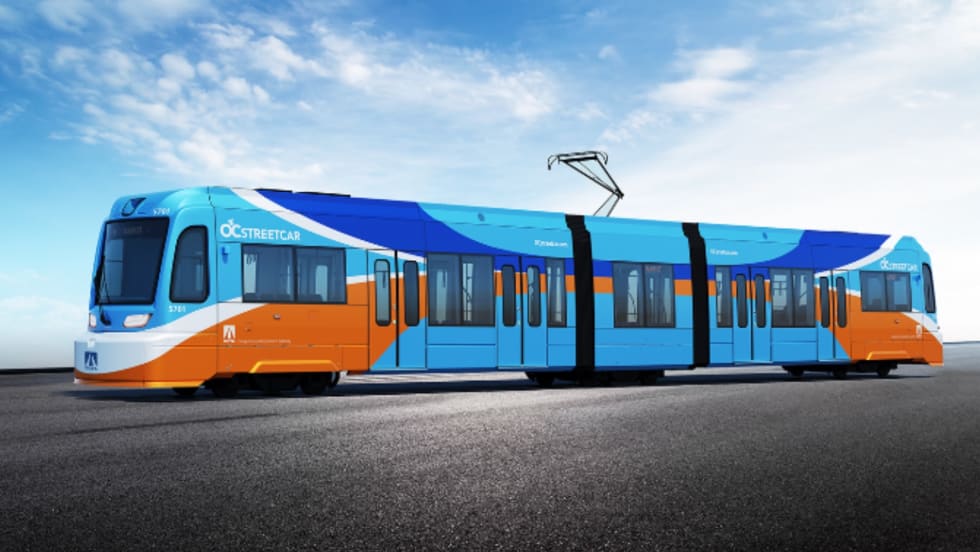
In addition to working on a transition to zero-emissions vehicles, the agency is also constructing a new streetcar system, testing microtransit, and continuing projects to making traversing the region simpler thanks to funding from its Measure M sales tax.
Read More →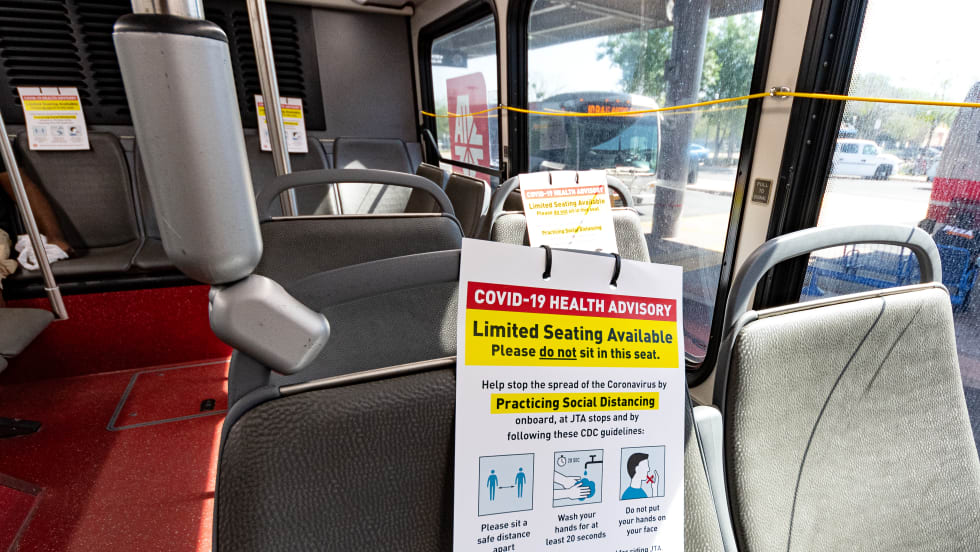
Additional Assistance Funding may be awarded to transit systems demonstrating additional assistance is needed to cover operating expenses related to maintaining day-to-day operations, cleaning and sanitization, combating the spread of pathogens on transit systems, and maintaining critical staffing levels.
Read More →
Only 14% of Americans now say that they are not likely to get vaccinated, according to a recent Ipsos poll.
Read More →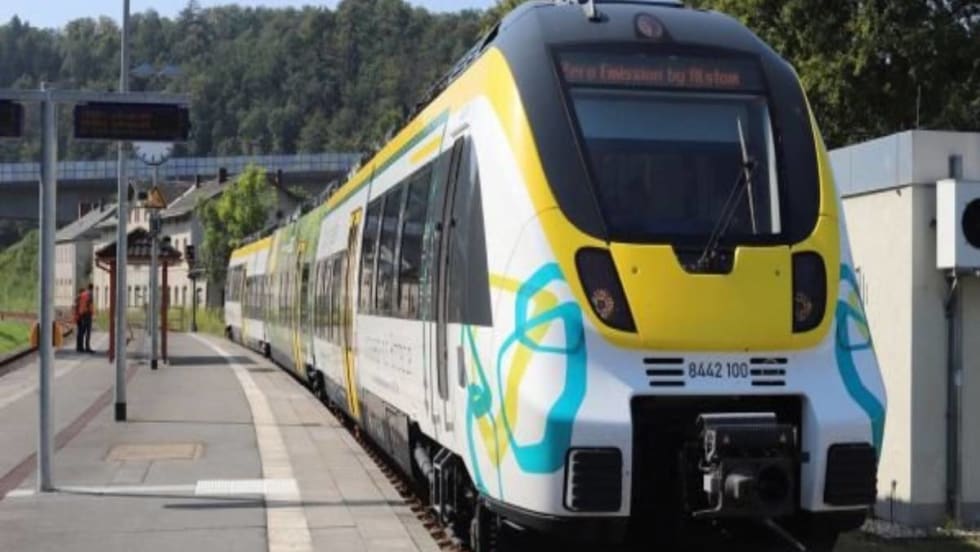
The project began in 2016 as a research partnership with the Technical University of Berlin.
Read More →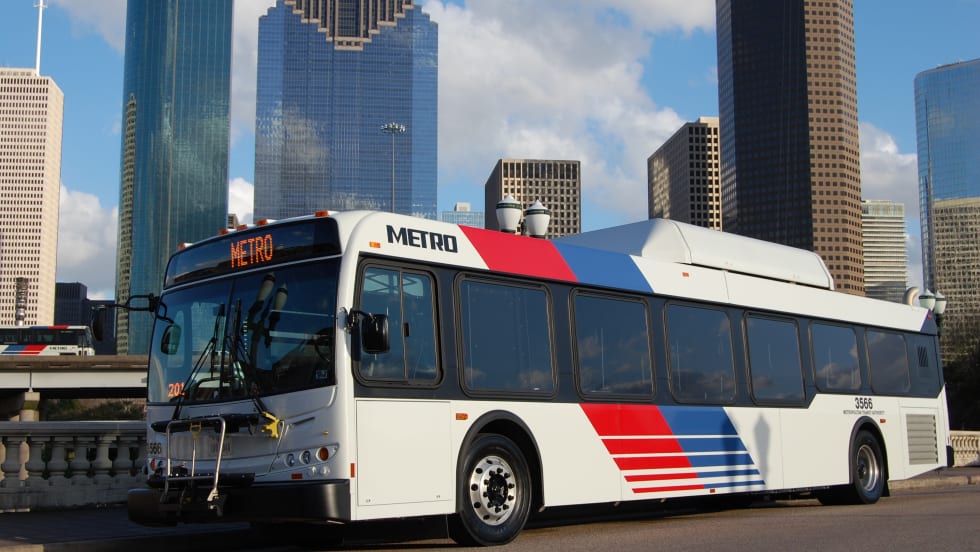
The funds are intended to help transit agencies maintain service and jobs as communities continue to recover from the COVID-19 pandemic.
Read More →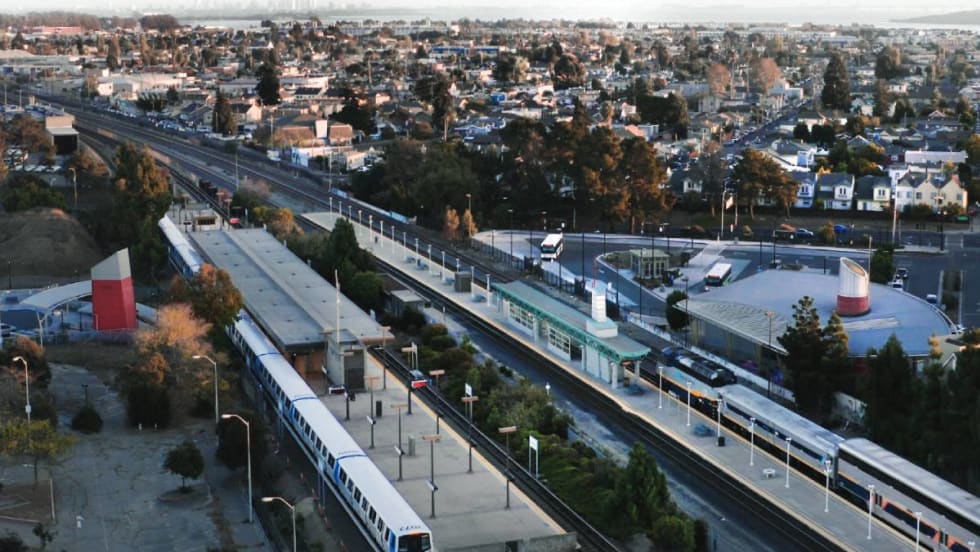
Link21 aims to make the passenger rail network in Northern California’s 21- county megaregion both faster and more integrated.
Read More →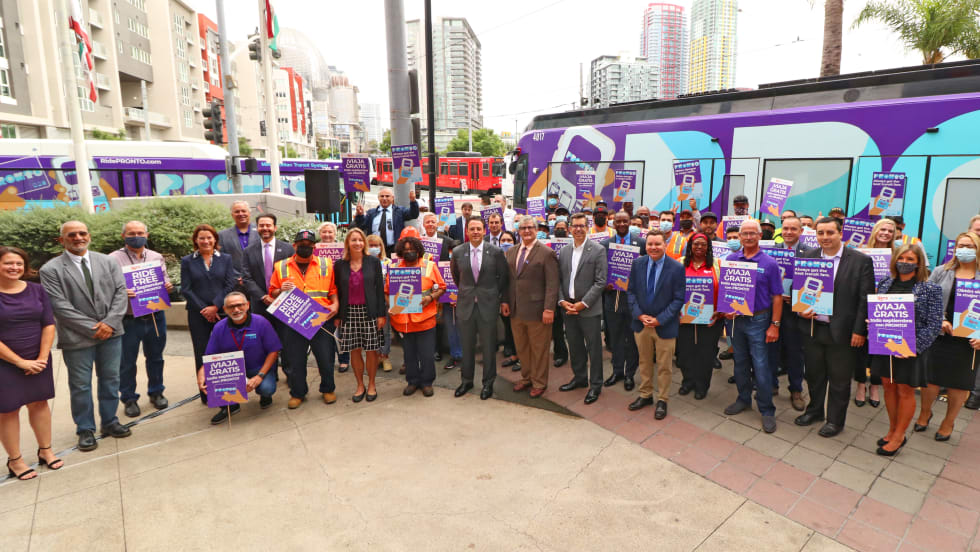
The system will enhance ticketing functionality, access, and value for MTS and NCTD passengers.
Read More →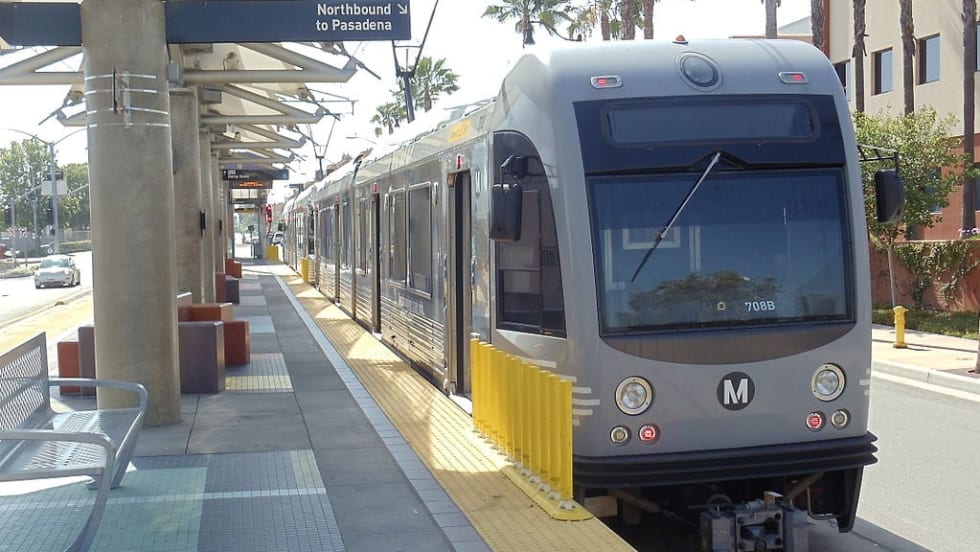
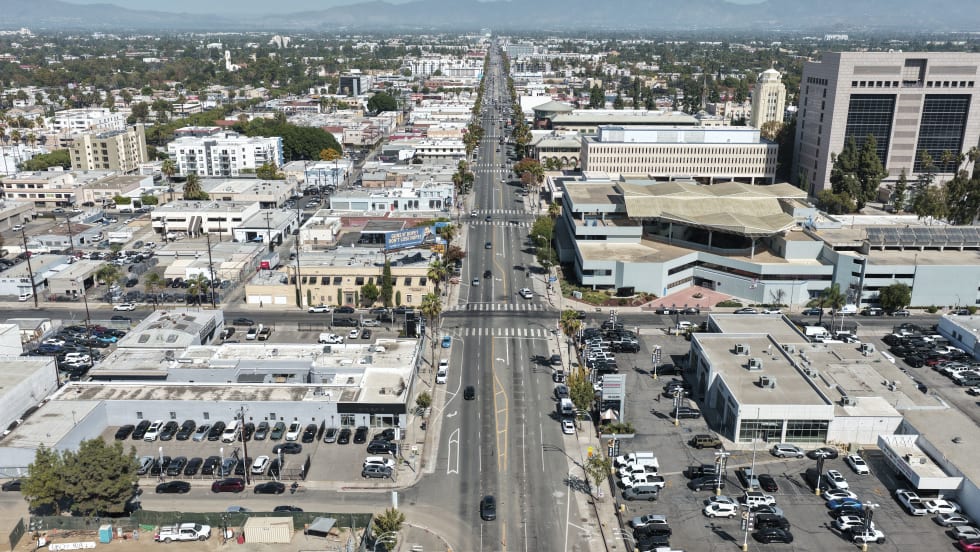
The enforcement program is aimed at mitigating potential train/vehicle collisions and resulting injuries and/or fatalities. The program also seeks to improve vehicular and pedestrian safety in the Crenshaw District.
Read More →