



CSA Group Releases Climate Resilience Standard for Transit, Passenger Rail
Developed with support from the Standards Council of Canada, CSA D700 guides assessing climate-related risks and planning adaptation measures for transit and passenger rail systems.

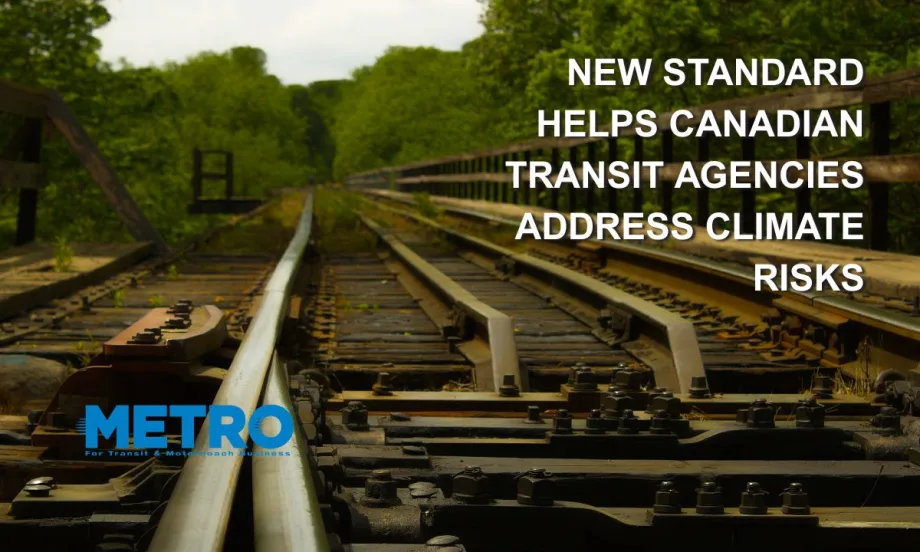
The release follows broader efforts by CSA Group to develop more consistent standards for Canada's transit and passenger rail industry.
METRO
- CSA Group has introduced a new climate resilience standard, CSA D700, focused on transit and passenger rail.
- This standard aims to help identify climate-related risks and develop adaptation strategies.
- The development of CSA D700 was supported by the Standards Council of Canada.
*Summarized by AI
CSA Group, with support from the Standards Council of Canada (SCC), published CSA D700, Climate Change Adaptation and Resilience for Transit and Passenger Rail Systems, a new National Standard of Canada designed to help transit agencies and passenger rail operators assess climate-related risks and plan infrastructure and operational improvements.
The standard provides a framework to identify vulnerabilities, prioritize risks, and develop adaptation strategies to address flooding, extreme heat, severe storms, freezing rain, and other climate-related events that can affect transit infrastructure and services.
“Transit and passenger rail systems are critical to the movement of people and the functioning of communities and economies across Canada,” said Ana-Maria Tomlinson, Director, Standards Development, CSA Group. “CSA D700 gives organizations a consistent approach to understanding climate-related vulnerabilities, evaluating risks, and developing adaptation strategies that can help maintain reliable transportation services in a changing climate.”
Building on Existing Standards
The release follows broader efforts by CSA Group to develop more consistent standards for Canada's transit and passenger rail industry.
In a previous METROspectives interview, Tomlinson discussed CSA Group's work to establish a National Code for Transit and Passenger Rail Systems in Canada, including the challenges of applying different international standards to Canadian transportation projects.
During the conversation, Tomlinson explained that Canadian transit projects often rely on a combination of European, American, and other standards that were not necessarily developed to work together. CSA Group's national code initiative is intended to provide a more coordinated framework for applying standards across transit and passenger rail projects.
The initiative also emphasizes collaboration among transit agencies, regulators, manufacturers, engineers, and other stakeholders to develop standards that reflect industry needs.
CSA D700 addresses climate adaptation and resilience as part of CSA Group's broader standards development efforts. The new standard is designed to complement existing railway and transit standards rather than replace them.
It can be used alongside established standards and frameworks, including:
- CSA R114: Railway risk evaluation and assessment.
- CSA R122: Passenger railway safety indicators.
- CSA Z1600: Emergency and continuity management.
- ISO 14090 and ISO 14091: International guidance on climate adaptation and climate-related risk assessment.
According to CSA Group, the standard provides a common approach to incorporating climate considerations into infrastructure planning, operational decisions, and long-term investments.
Key Areas of CSA D700
CSA D700 addresses three primary areas of climate adaptation and resilience planning:
- Climate Vulnerability and Risk Assessment: Provides processes for identifying climate hazards, evaluating system vulnerabilities, assessing an organization's capacity to adapt, and prioritizing risks.
- Adaptation Planning and Decision-Making: Offers guidance for identifying and evaluating resilience measures, comparing alternatives, prioritizing investments, and documenting decisions.
- Implementation, Monitoring, and Continual Improvement: Addresses implementation planning, performance monitoring, evaluation, reporting, communication, and updating adaptation plans as new climate information becomes available. The framework helps organizations incorporate climate-related risks into existing planning and asset management practices while supporting the continuity of transportation services.
Supporting Transit and Passenger Rail Planning
CSA D700 is intended for transit agencies, passenger rail operators, infrastructure owners, planners, engineers, asset managers, consultants, and other organizations involved in developing, operating, and maintaining transportation systems.
According to CSA Group, the standard supports decisions on infrastructure investments, service continuity, and long-term adaptation planning.
The standard is now available in English and French through the CSA Group Store.
Quick Answers
The CSA D700 standard is designed to guide transit and passenger rail systems in assessing climate-related risks and planning appropriate adaptation measures.
*Summarized by AI
More Security and Safety

Improving Transit Safety and Reliability Through AI
Hayden AI’s Chief Growth Officer, Charley Territo, discusses how AI-powered camera enforcement is helping transit agencies keep bus lanes and stops clear, improve accessibility, and move from pilot programs to full-scale deployments.
Read More →
Study: Denver RTD Generates $2.1 Billion in Annual Economic Activity
An economic impact study finds the agency supports approximately 17,500 jobs, delivers $1.6 billion in annual community and mobility benefits, and generates $2.42 in economic value for every dollar invested.
Read More →
SEPTA Launches 'Reach' Program to Connect Vulnerable Individuals with Support
The initiative deploys specialists throughout Philadelphia’s transit system to connect individuals with housing, healthcare, and social services while addressing safety and quality-of-life concerns.
Read More →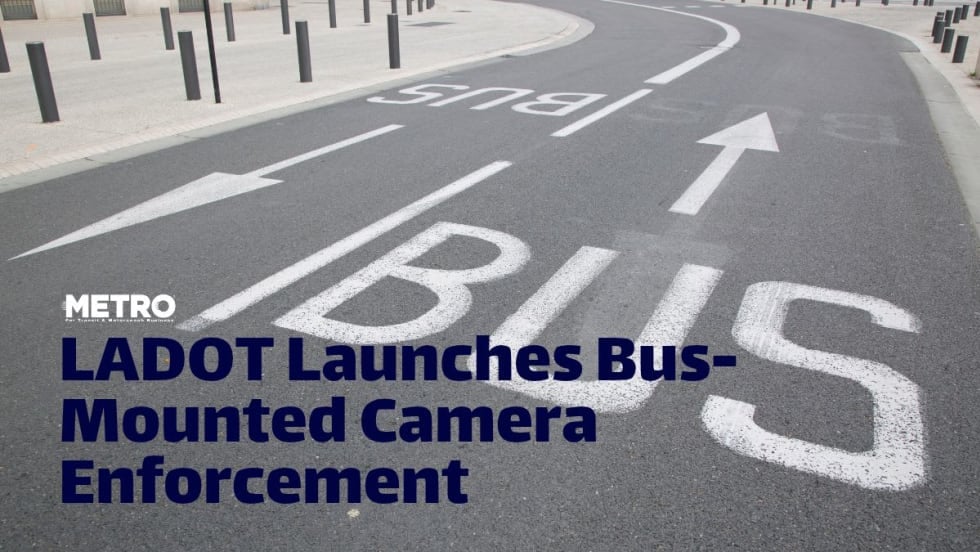
LADOT to Launch Bus-Mounted Camera Enforcement on DASH Buses
The program will begin with a 60-day warning period before citations are issued in January 2027, joining similar efforts across Southern California to improve bus reliability, safety, and accessibility.
Read More →
New York MTA Launches Historic $1.9B Signal, Track Modernization Project
Funded in part by congestion pricing revenue, the project will replace nearly century-old signals along the A and C lines in Brooklyn and Queens.
Read More →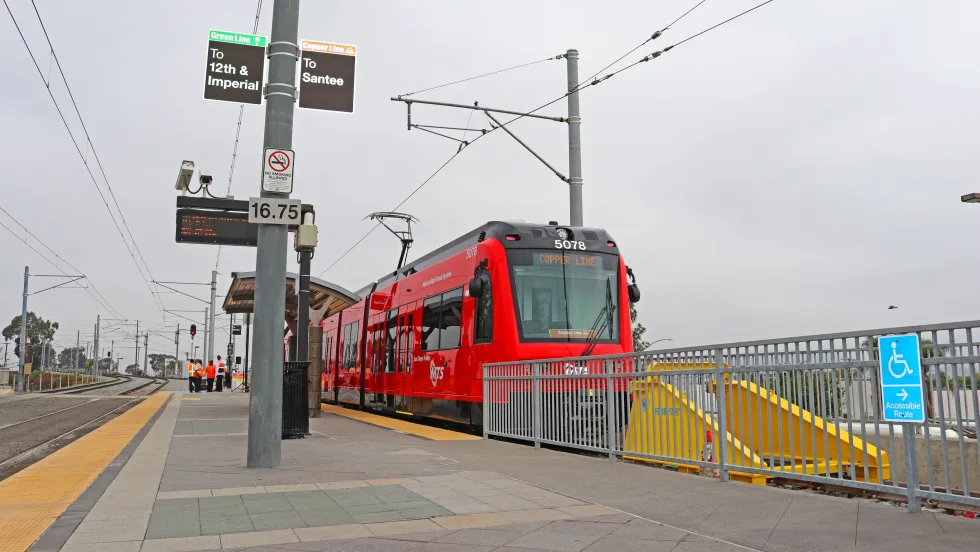
San Diego MTS Approves New Fare Evasion Penalty Program
The new administrative process will move eligible violations out of the criminal court system, cap penalties at $125, and provide flexible payment options for riders.
Read More →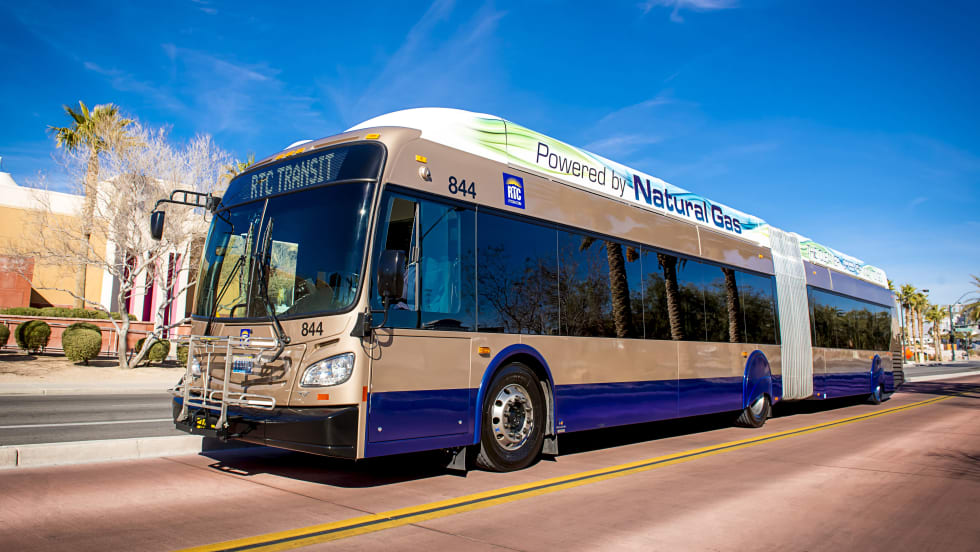
RTC of Southern Nevada Reports 29% Drop in Transit Operator Assaults
The agency credits expanded security measures, employee training, and technology investments for improvements in transit safety, while security officers have responded to 19 suspected overdoses since July.
Read More →
Public Transit Conference Returning to GFX in 2027, Call for Papers Now Open
The Call for Papers is now open, allowing transit agency professionals and industry experts to help shape the PTC educational program by submitting session ideas for consideration.
Read More →
Safe Transit Act Proposes New Security Requirements for Federal Transit Funding
Proposed legislation would link federal transit dollars to safety measures while requiring security investments, onboard cameras, and new fare collection standards.
Read More →
FTA Ends Direct Oversight of MBTA Safety Actions
The federal agency closed its remaining special directive to the Massachusetts Department of Public Utilities following a safety review that began in 2022.
Read More →