



Metrolink Teams to Pilot Earthquake Early Warning System to Enhance Rail Safety
The Earthquake Early Warning System uses data from the USGS-operated ShakeAlert® to notify Metrolink’s PTC system that an earthquake has occurred.
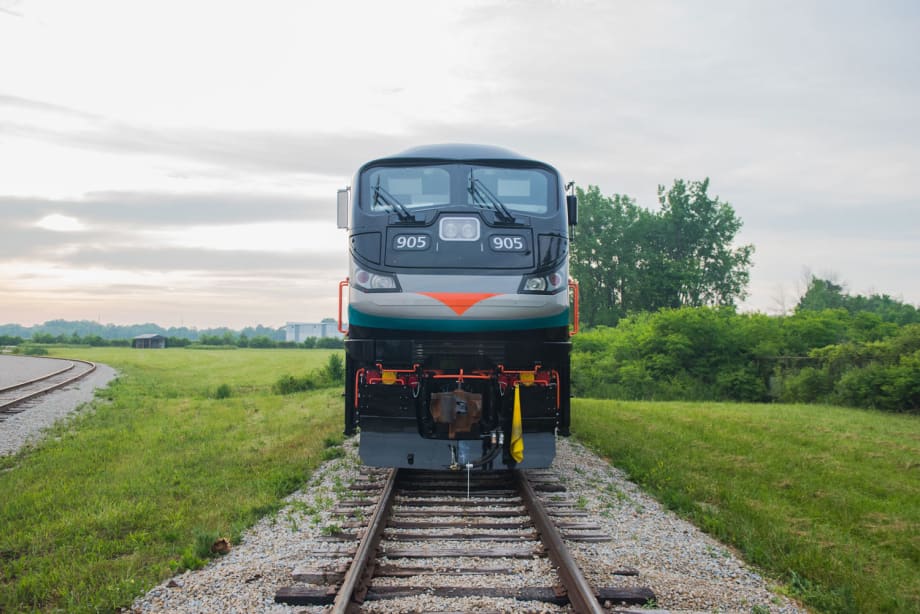
After the ShakeAlert® system is fully developed it will be evaluated for potential expansion across the entire Metrolink system.
Metrolink
Southern California’s Metrolink will pilot the use of a new technology that will help ensure the safe and rapid slowing and stopping of trains in the event of an earthquake. The technology is being deployed along Metrolink’s 91/Perris Valley Line between the cities of Perris and Riverside and is a partnership with the California Department of Transportation (Caltrans) and the U.S. Geological Survey (USGS).
The Earthquake Early Warning System uses data from the USGS-operated ShakeAlert® to notify Metrolink’s Positive Train Control (PTC) system that an earthquake has occurred. The technology can rapidly slow or stop the Metrolink train even before ground shaking is felt. PTC is designed to prevent train-on-train collisions, over-speed derailments, incursions into established work zones, and other train movements that could potentially lead to incidents.
“This program is another initiative by Metrolink to move technology forward in a real-world environment to help protect our riders and crews and reflects our position as a leader in rail safety,” said Metrolink CEO Darren Kettle.
The technology will also provide enhanced data to support inspection of the rail network and resumption of service following an earthquake.
The system will be deployed on Metrolink trains in two phases. The initial version automatically processes ShakeAlert® data and sends notifications to train crews in the impacted area with train handling instructions based on the severity of the earthquake detected. A second phase, which is under development, adds PTC enforcement to automatically stop or slow trains when needed.
“Safety is always our top priority at Caltrans,” said Caltrans Director Toks Omishakin. “This new technology will provide innovative solutions to enhance safety on our transportation networks.”
ShakeAlert® is an earthquake early warning system that detects significant earthquakes so quickly that alerts can reach many people before shaking arrives. ShakeAlert® is not earthquake prediction, rather a ShakeAlert® message indicates that an earthquake has begun, and shaking is imminent.
The technology was tested on the BART commuter rail service in northern California and has been in full operation for a year.
After the system is fully developed it will be evaluated for potential expansion across the entire Metrolink system.
More Rail

New York MTA Advances Final Contract for Second Avenue Subway Expansion
Contract Four is the largest in the Second Avenue Subway Phase 2 project and includes construction of station infrastructure, tracks, and signals for the subway expansion, MTA officials said. Work on Contract Four will begin in 2027.
Read More →
San Diego MTS Breaks Monthly Trolley Ridership Record
Agency officials said July’s ridership indicates MTS’s continued recovery from the pandemic.
Read More →
Report Examines NJ TRANSIT Reliability, Funding Challenges
The Garden State Initiative analysis examines the roles of Amtrak infrastructure, fleet management, and agency operations while recommending a more performance-based approach to improving reliability.
Read More →
Stadler, CapMetro Sign Long-Term Rail Fleet Support Agreement
Beginning in 2027, Stadler will provide on-site technical expertise, spare parts support, training, and obsolescence management to help extend the reliability and longevity of CapMetro’s GTW fleet.
Read More →
Biz Briefs: Alstom Lands Canadian Contract, LYT to Supply California TSP, and More
In METRO's latest installment, we take a look at recent news from Complete Coach Works, Beep, FlixBus, and more partnerships making headlines across the transportation sector.
Read More →
CATS Gold Line Marks 5 Years of Service, 2.8M Passenger Trips
With a six-mile expansion planned, the Charlotte streetcar is positioned to connect more neighborhoods and major transit hubs across the region.
Read More →
Why Simulating Pedestrian Movement Has Become Essential for Modern Rail Stations
Pedestrian microsimulation is helping rail planners identify bottlenecks, test station designs, and prepare complex transit hubs for growing passenger volumes.
Read More →
Amtrak Begins Major Construction at New York’s Sunnyside Yard
The new maintenance facility will support Amtrak’s Airo trainsets while improving maintenance efficiency and turnaround times in New York.
Read More →
Chicago Leaders Unveil Plans for O’Hare Airport Express Train
The privately developed project would offer a 15-minute trip between downtown and O’Hare’s Terminal 2, with trains operating every 15 minutes on a dedicated track. The service would use battery-electric trains and three existing freight rail rights-of-way.
Read More →
OCTA Maps Out 30-Year Strategy to Protect Coastal Rail Corridor
The draft feasibility report identifies strategies to protect the coastal rail line for decades as the agency continues near-term stabilization and sand placement efforts.
Read More →