



LA Metro Breaks Ground on East San Fernando Valley Light Rail Project
The 6.7-mile line will add 11 stations along Van Nuys Boulevard, expand access to jobs and regional transit connections, and support Metro’s broader efforts to improve mobility as rail ridership grows.

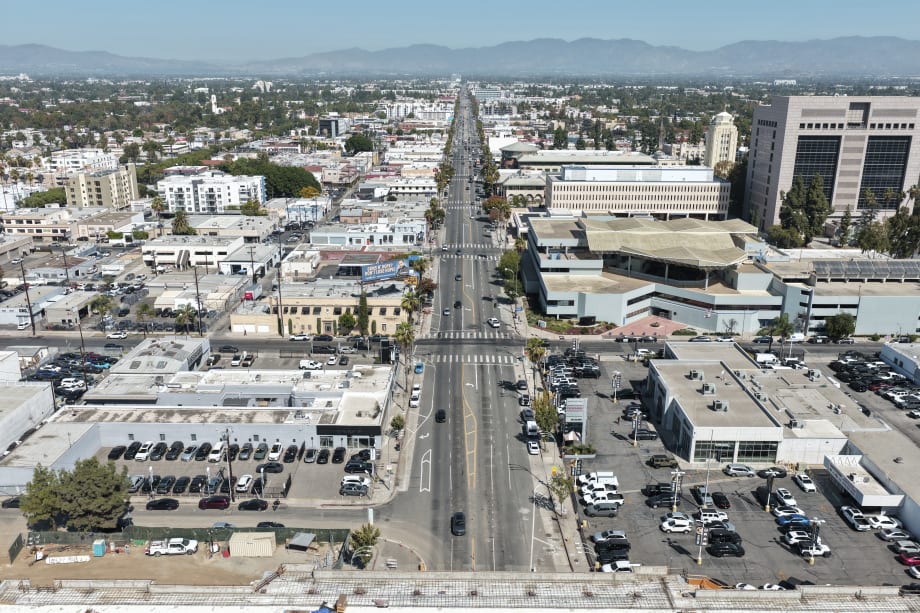
The project is part of Metro’s broader effort to expand public transportation and improve mobility throughout the San Fernando Valley.
LA Metro
- LA Metro initiates construction on the East San Fernando Valley Light Rail Project, featuring a 6.7-mile line.
- The project will establish 11 new stations along Van Nuys Boulevard, facilitating job access and regional commuting.
- This initiative is part of Metro’s broader plan to enhance mobility and accommodate increasing rail ridership.
*Summarized by AI
The Los Angeles County Metropolitan Transportation Authority (Metro) has broken ground on the East San Fernando Valley Light Rail Transit Project, a 6.7-mile extension designed to expand transit access to employment centers, schools, healthcare facilities, and local businesses.
The project is part of Metro’s broader effort to expand public transportation and improve mobility throughout the San Fernando Valley.
New Light Rail Service
The line will run along Van Nuys Boulevard through the densely populated, transit-dependent communities of Van Nuys, Arleta, and Pacoima. Approximately 19% of households in the project corridor do not have access to a personal vehicle, compared with 8% countywide.
The project will bring local-stop rail service back to Van Nuys Boulevard for the first time in more than 70 years. It will include 11 new at-grade stations spaced about three-quarters of a mile apart along the center of Van Nuys Boulevard. The stations will feature shade structures and safety improvements.
The line will connect with regional transportation services, including Metrolink, Amtrak, and Metro’s G Line Bus Rapid Transit (BRT), giving riders additional connections throughout Los Angeles County.
Infrastructure improvements will also include Americans with Disabilities Act-compliant sidewalks, safer pedestrian crossings and roadway upgrades, according to Metro.
Economic Opportunities
Construction and operations are projected to generate more than 18,000 direct and indirect jobs. Through a Project Labor Agreement and Construction Careers Policy, Metro aims to connect residents with construction employment opportunities.
The rail line is also expected to provide Valley residents with access to approximately 150,000 employment opportunities across the region.
Metro is implementing several programs to help businesses manage construction-related impacts. The Business Interruption Fund assists eligible small businesses affected by construction, while the Business Solution Center offers support services to businesses along the route. The agency’s Eat, Shop, Play program provides local businesses with marketing assistance and promotional support.
“The San Fernando Valley is key for Metro in creating a connected Los Angeles County,” said Metro CEO Stephanie Wiggins. “We want to improve access and mobility for the diverse communities along the route who depend on transit. The new East San Fernando Valley Light Rail Transit Project is a huge step in providing access to jobs, and the economic boost from the project will benefit residents and the economy.”
Project Funding
The project has an estimated construction cost of $3.998 billion and is funded through federal, state, and local sources, including revenue from the voter-approved Measure M sales tax.
Metro secured an $893 million grant from the U.S. Department of Transportation to support the project’s funding plan. The grant is the first Full Funding Grant Agreement executed under the Federal Transit Administration’s Expedited Project Delivery Pilot Program, which is designed to accelerate the delivery of major fixed-guideway transit projects.
The East San Fernando Valley Light Rail Transit Project is a central component of a broader multibillion-dollar investment in San Fernando Valley transportation infrastructure planned over the next decade.
LA Metro’s Rail Expansion Drives Ridership Growth
Metro’s rail expansion comes as the agency reports sustained growth in rail ridership, highlighting increasing use of its expanding network.
In May 2026, Metro rail ridership reached 6.47 million trips, its highest level in more than six years and a 9.5% increase compared with May 2025. The opening of three stations on the D Line extension contributed to the growth, with D Line ridership increasing 62% year over year. The new stations generated an estimated 8,000 to 10,000 rides per day, while systemwide weekend rail ridership increased 18%.
Ridership growth continued into the summer. In July 2026, Metro recorded nearly 6.6 million rail boardings, up 16.84% from July 2025. The agency reported that the increase marked its eighth consecutive month of year-over-year growth in rail ridership.
Metro has attributed the gains in part to recent rail expansions, including the A Line extension to Pomona and the D Line extension, as well as improved access to Los Angeles International Airport through the LAX/Metro Transit Center.
The East San Fernando Valley project will add another connection to the region’s expanding transit network, improving access to destinations and connecting more residents to employment, education, and other essential services.
Quick Answers
The purpose of the East San Fernando Valley Light Rail Project is to add transportation infrastructure with 11 new stations along Van Nuys Boulevard, expanding access to jobs, enhancing regional transit connections, and supporting LA Metro's efforts to improve mobility as rail ridership increases.
*Summarized by AI
More Rail

CSA Group Releases Climate Resilience Standard for Transit, Passenger Rail
Developed with support from the Standards Council of Canada, CSA D700 guides assessing climate-related risks and planning adaptation measures for transit and passenger rail systems.
Read More →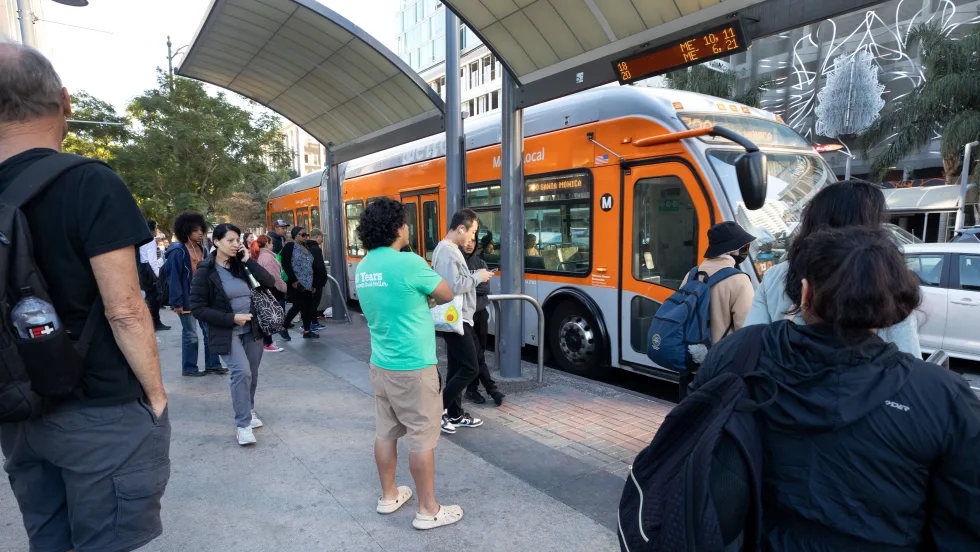
LA Metro September Ridership Climbs 3.9%, Led by Rail Growth
The agency recorded more than 27.2 million boardings, with rail ridership increasing 12.4% year over year and the D Line posting the largest gains.
Read More →
First Full MetroLink Rail Expansion Completed in 20 Years with $192M Airport Project
The project links two St. Louis-area airports by light rail while adding roadway and bike trail connections to improve regional access and mobility.
Read More →
Utilimarc Launches SmartReplace to Optimize Fleet Replacement Decisions
AI-powered SmartReplace helps fleets prioritize vehicle replacements, model budget scenarios, and build more defensible long-term strategies.
Read More →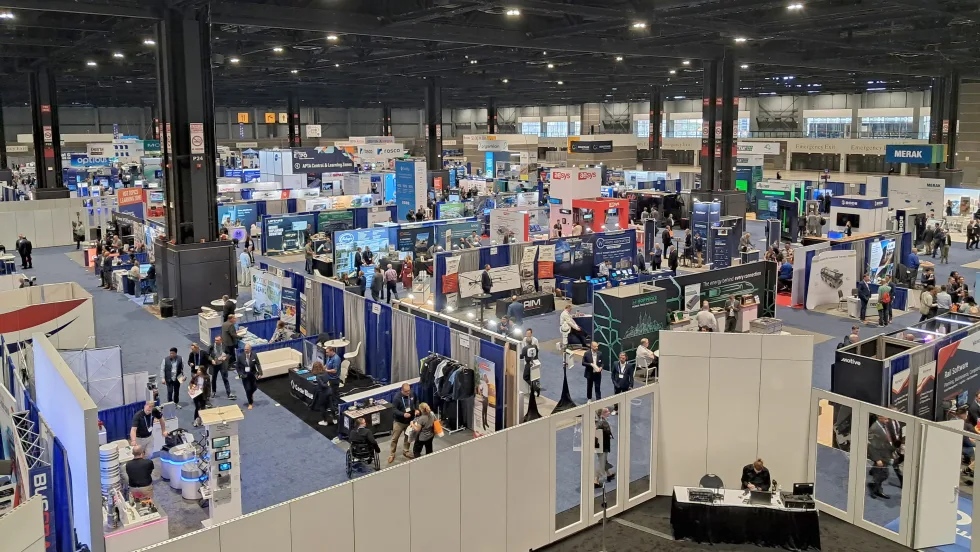
Scenes from APTA TRANSform & EXPO 2026
Transit leaders, manufacturers, and industry professionals gathered in Chicago to explore new technologies, share ideas, and discuss the future of public transportation.
Read More →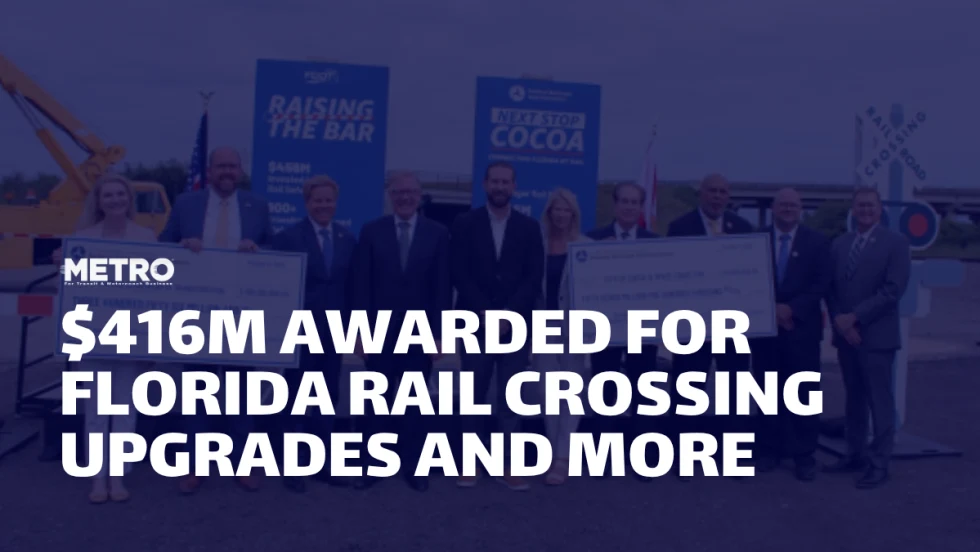
USDOT Awards $416 Million for Florida Rail Crossing Safety Upgrades, New Brightline Station
The projects aim to reduce risks for motorists and pedestrians at rail crossings while expanding passenger rail access along Florida’s Space Coast.
Read More →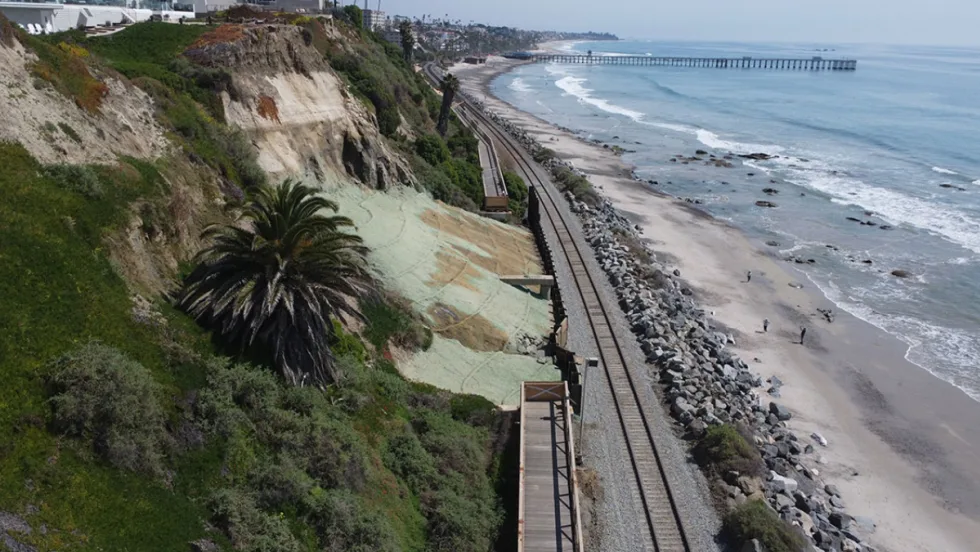
OCTA Declares Emergency to Protect Rail Corridor From Coastal Erosion
The California agency is accelerating shoreline protection and plans to place approximately 690,000 cubic yards of sand along the San Clemente coast to protect a key passenger and freight rail link.
Read More →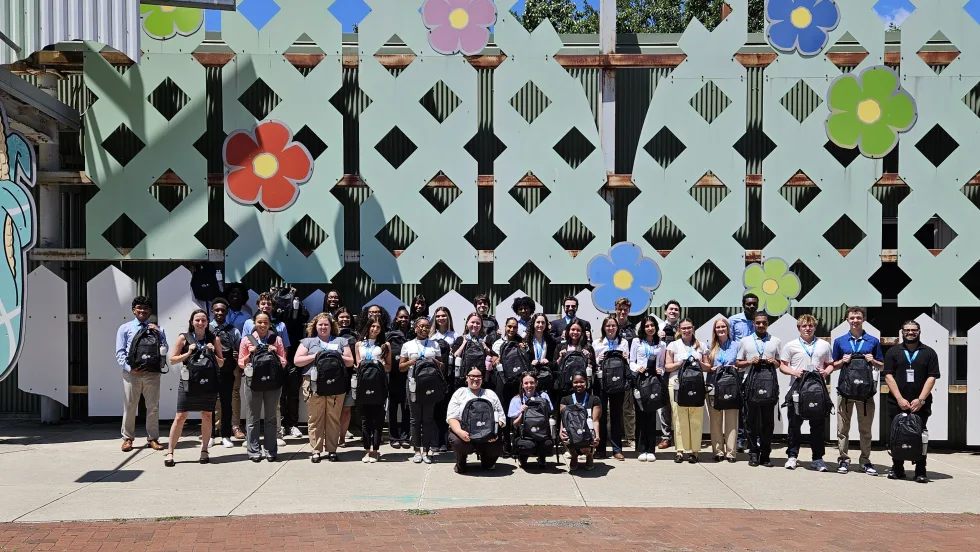
More Than a Summer Job: Building the Next Generation of Transit Talent
The Delaware River Port Authority and PATCO have transformed their internship program into a hands-on professional development experience that introduces students to the breadth of transportation careers — and creates a pipeline for future employees.
Read More →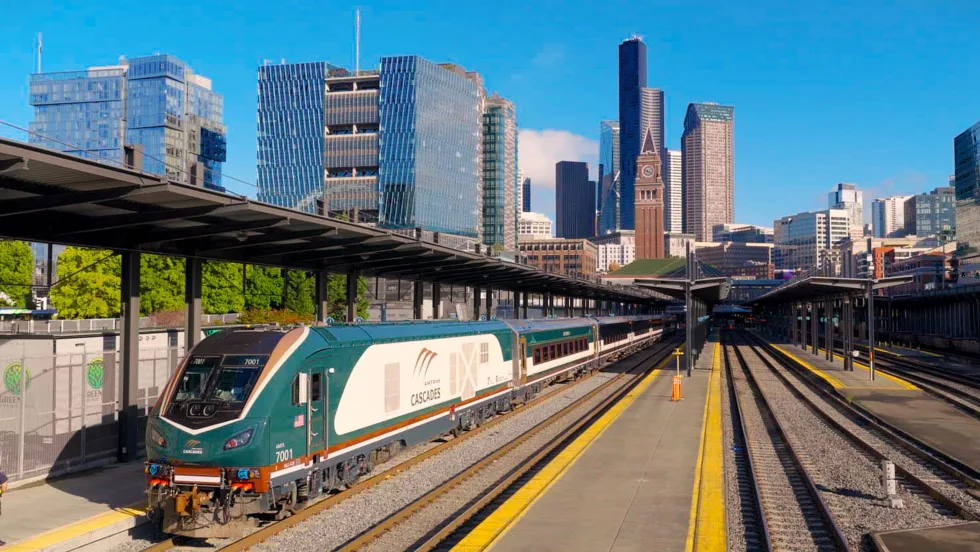
Airo Trains Make Their Amtrak Cascades Debut in the Pacific Northwest
Effective immediately, two cutting-edge Airo trainsets will join the Amtrak Cascades route, operating four daily trips between Vancouver, B.C., Seattle, Portland, and Eugene, Oregon, marking the first introduction of Airo trains into passenger service anywhere in the country.
Read More →
Florida's Brightline Announces Financial Restructuring
Brightline Florida says train operations will continue as normal as certain parent entities enter Chapter 11 and financial stakeholders provide $490 million in new long-term capital.
Read More →