



Coalition of transit agencies demand at least $25B in federal aid
CEOs from nine agencies signed a letter urging Congressional leaders to include dedicated transit funding in relief package.

Public Domain
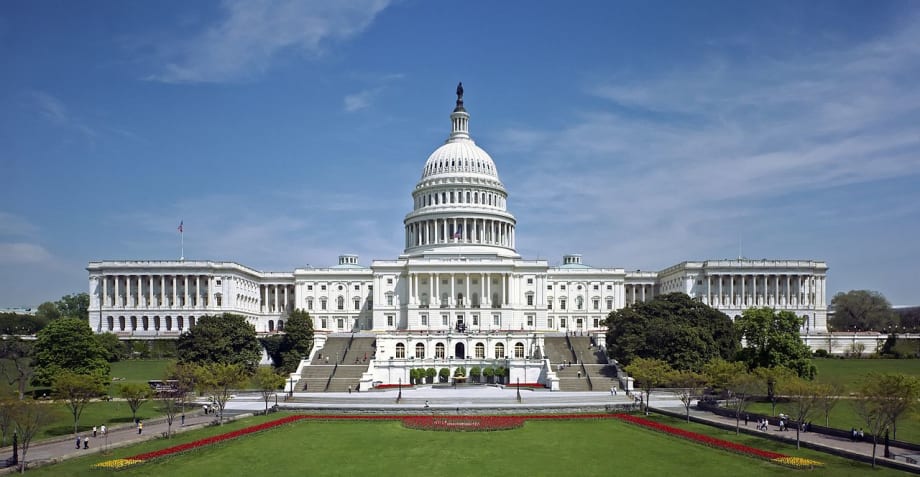
A coalition of U.S. transit agencies, including the Metropolitan Transportation Authority (MTA, Chicago Transit Authority (CTA), Dallas Area Rapid Transit (DART), Kings County Metro in Seattle, Los Angeles County Metropolitan Transportation Authority (Metro), MARTA in Atlanta, NJ Transit, San Francisco Bay Area Rapid Transit (BART), SFMTA in San Francisco, and Washington Metropolitan Area Transit Authority issued a letter to Congressional leaders urgently requesting the federal relief package includes at least $25B of dedicated support for public transportation agencies.
A PDF of the letter is attached at the bottom.
Full text of the letter is available below:
The Honorable Mitch McConnell
Majority Leader
Unites States Senate
Washington, DC 20510
The Honorable Nancy Pelosi
Speaker
U.S. House of Representatives
Washington, DC 20515
The Honorable Charles E. Schumer
Minority Leader
United States Senate
Washington, D.C. 20510
The Honorable Kevin McCarthy
Minority Leader
U.S. House of Representatives
Washington, DC 20515
Dear Leader McConnell, Speaker Pelosi, Leader Schumer, and Leader McCarthy:
The COVID-19 pandemic is a national disaster and it requires a national solution. We are coming together to urgently request that the federal relief package includes at least $25 billion of dedicated support for public transportation agencies. Federal aid, utilizing federal formulas, must be directed to areas of the country that have had significant financial impacts and where essential workers rely most heavily on public transit.
This pandemic does not discriminate between Republicans and Democrats. No industry, company or organization is being spared from the devastating public health and economic consequences of this crisis.
The goal of the federal package is to stabilize the economy and establish a back stop that will propel the country forward. Public transit agencies are literally on the frontlines of that effort: We are helping the heroes most critical in this time of crisis – healthcare professionals, first responders, and grocery, utility and childcare workers – do their job. It’s a responsibility we take seriously – no matter the cost.
Now is the time for the federal government to match that commitment.
The looming financial catastrophe is clear. While emergency personnel need our infrastructure to do their jobs, overall ridership on our systems has plummeted every day – dropping as much as 90 percent in some cases. Combined with falling tax revenues and dramatically increased cleaning costs, this collapse of revenue has resulted in immediate and enormous funding gaps.
The collective losses, which early projections show are expected to be in the tens of billions of dollars, can never be recouped and have a compounding impact on our ability to borrow.
Congressional proposals, while appreciated, thus far are stop-gap measures. Public transit agencies are taking action to address the financial crisis we are all facing. Scaling back service isn’t enough to keep our operating budgets in the black. And allowing critical state-of-good-repair investments we’ve fought long and hard for to be gutted in favor of operational costs is a non-starter. We need comprehensive, permanent solutions that put public transportation first.
Transportation systems represented in this letter serve regions that combined make up 32 percent of the national gross domestic product. The economy in our major urban regions nationwide won’t be able to rebound from this crisis without us. In fact, we’ll be the shot in the arm needed to beat it – moving nearly 20 million Americans to jobs, school, shops and stores and revitalizing our local economies in the process.
Bottom line: Any federal relief package will not maximize value for the country’s economy without a robust, targeted investment in public transportation. This is a matter of national interest and core part of any national recovery. Congress must act swiftly to provide real relief in real time; the financial health of the country depends on it.
Sincerely,
Pat Foye
Chairman & Chief Executive Officer
Metropolitan Transportation Authority
New York, NY
Rob Gannon
General Manager
King County Metro
Seattle, WA
Jeffrey A. Parker
General Manager/CEO
MARTA
Atlanta, GA
Robert M. Powers
General Manager
San Francisco Bay Area Rapid Transit District (BART)
Oakland, CA
Gary Thomas
President/Executive Director
Dallas Area Rapid Transit
Dallas, TX
Dorval R. Carter, Jr.
President
Chicago Transit Authority
Chicago, IL
Kevin S. Corbett
President & CEO NJ TRANSIT
Newark, NJ
Jeffrey Tumlin
Director of Transportation
SFMTA
San Francisco, CA
Phillip A. Washington
CEO
Los Angeles County Metropolitan Transportation Authority (Metro)
Los Angeles, CA
Paul J. Wiedefeld
General Manager & CEO
Washington Metropolitan Area Transit Authority
More Management
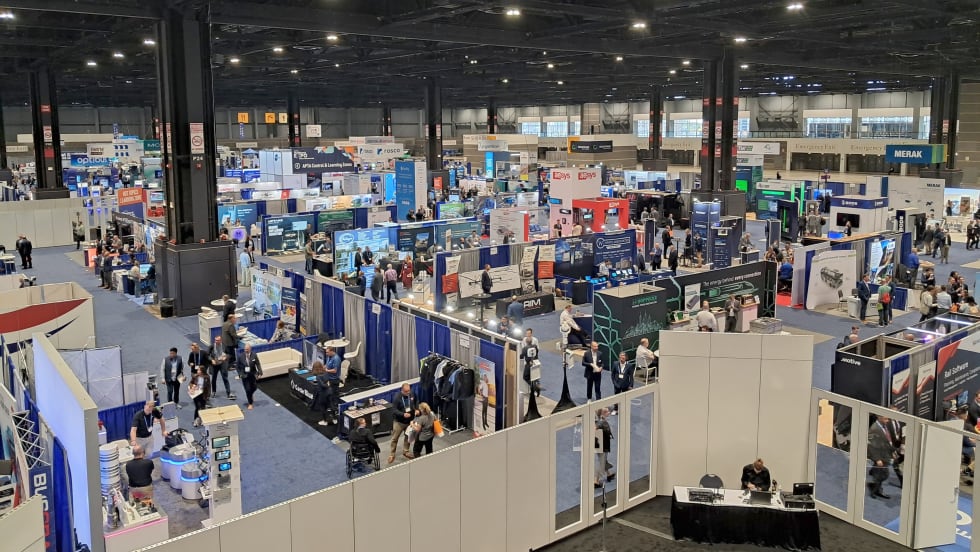
Scenes from APTA TRANSform & EXPO 2026
Transit leaders, manufacturers, and industry professionals gathered in Chicago to explore new technologies, share ideas, and discuss the future of public transportation.
Read More →
Building Stronger Leaders, More Resilient Transit Teams
Dr. Carol Parker Walsh discusses leadership development, employee retention, workplace culture, and preparing transit’s workforce for AI and automation.
Read More →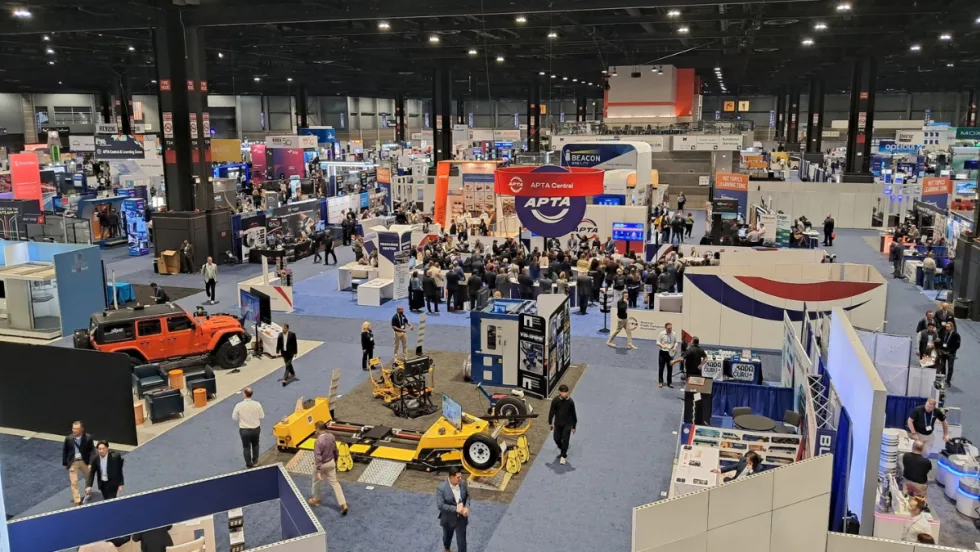
APTA 2026 TRANSform & EXPO Kicks Off in Chicago
After 45 years, APTA returns to Chicago with a focus on next-generation fleets, AI, connected transit networks, and the funding strategies shaping public transportation’s future.
Read More →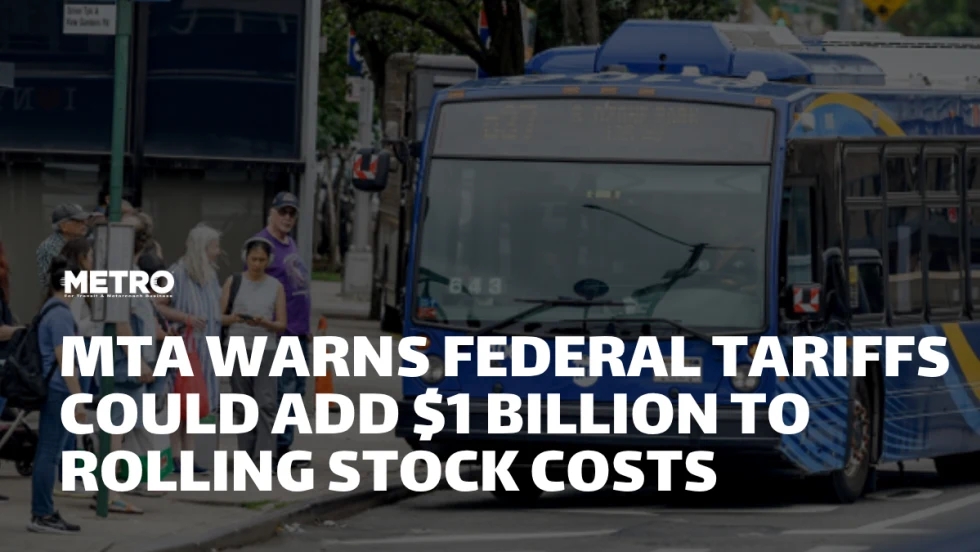
New York MTA Warns Federal Tariffs Could Add $1 Billion to Rolling Stock Costs
The agency said tariffs on specialized imported components could reduce the purchasing power of its $23 billion investment in new subway cars, railcars, and buses.
Read More →
From the Show Floor: What Happened at APTA TRANSform & EXPO 2026
See the latest product launches, partnerships, technology updates, and transit industry announcements from APTA TRANSform & EXPO in Chicago.
Read More →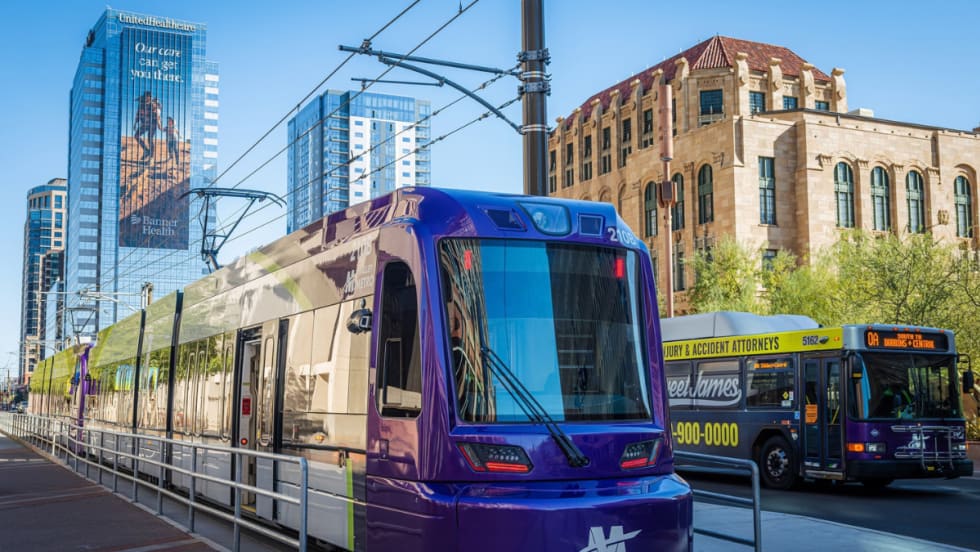
How Valley Metro Is Balancing Transit Growth With the Rider Experience
The APTA award-winning agency is pairing rapid system expansion with investments in workforce, safety, technology, and the fundamentals of transit service.
Read More →
Bus Tech Talk: Keeping Transit Technicians Ahead of the Technology Curve
In this episode of Bus Tech Talk, Complete Coach Works’ Business Development Manager Mark Hollenbeck and METRO’s Executive Editor Alex Roman sit down with Obed Mejia, Senior Technical Trainer for Bus Maintenance, at LA Metro to discuss how rapidly evolving bus technology is changing the maintenance shop — and the skills technicians need to keep pace.
Read More →
Michael Schneider Joins Paslay Group to Expand Transportation Practice
The longtime transportation executive will help Paslay Group grow its advisory and program management work across transit, highway, and other infrastructure sectors.
Read More →
People Movement: Connectpoint Expands Leadership Team, Stadler Names New Group CEO, and More
In this edition, we also spotlight recent personnel moves at Burns, UZURV, and more, highlighting the people taking on new roles across the transportation industry.
Read More →
More Than a Summer Job: Building the Next Generation of Transit Talent
The Delaware River Port Authority and PATCO have transformed their internship program into a hands-on professional development experience that introduces students to the breadth of transportation careers — and creates a pipeline for future employees.
Read More →