



Canada’s Biggest Transit Systems Call for Federal Backing
The Société de transport de Montréal, the Toronto Transit Commission, and TransLink have filed a joint pre-budget submission with three clear asks: restore the CPTF, accelerate shovel-ready projects, and make long-term transit funding predictable.

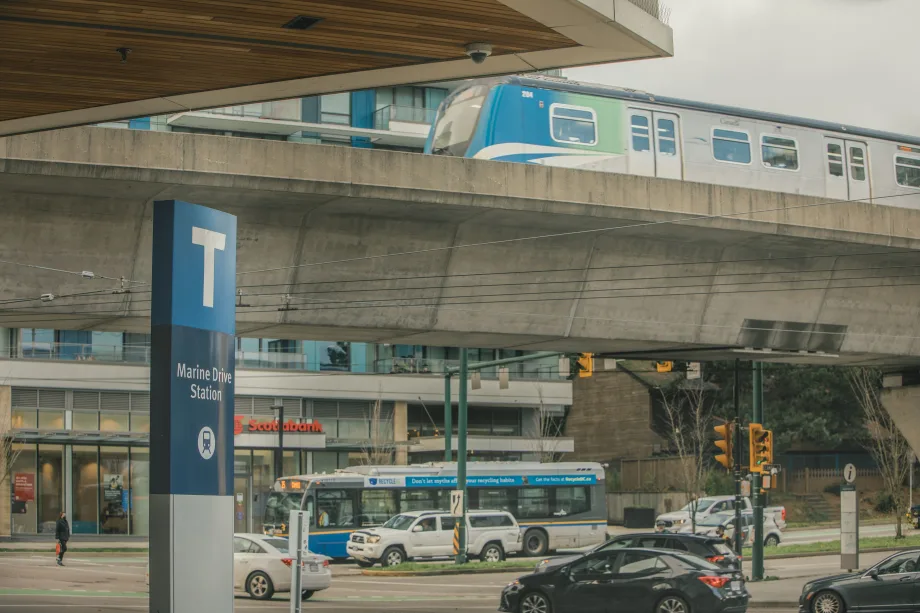
CEOs and board chairs from the Société de transport de Montréal, the Toronto Transit Commission, and TransLink are in Ottawa to meet with ministers and elected officials to advocate for the federal transit investment needed to build infrastructure and maintain the systems Canadians rely on.
TransLink
- Major Canadian transit systems have united to request federal support in a pre-budget submission.
- They seek the restoration of the Canada Public Transit Fund and quicker implementation of shovel-ready projects.
- The transit authorities are calling for predictable long-term funding to ensure sustainable transit development.
*Summarized by AI
Canada’s three largest public transit agencies are joining forces to reinforce the importance of the Canada Public Transit Fund (CPTF) as a critical tool for stronger, more predictable transit investment and for keeping major projects moving in the country’s biggest metropolitan regions.
The Société de transport de Montréal, the Toronto Transit Commission, and TransLink have filed a joint pre-budget submission with three clear asks: restore the CPTF, accelerate shovel-ready projects, and make long-term transit funding predictable.
Together, the three transit agencies move millions of people every day in the Montreal, Toronto, and Metro Vancouver regions. Their transit systems are a powerful lever to reduce the cost of living, improve productivity, and support housing construction. But without adequate and predictable federal investment, the agencies said major projects risk delays, rising costs, and slower progress for communities across the country.
Urging to Boost the CPTF
CEOs and board chairs from the three agencies are in Ottawa to meet with ministers and elected officials to advocate for the federal transit investment needed to build infrastructure and maintain the systems Canadians rely on.
Together, the three agencies face more than $50 billion in unfunded capital needs over the next 10 years. Their joint pre-budget submission asks the federal government to strengthen the CPTF and ensure it can meet the scale of the needs facing Canada’s largest transit systems.
The agencies’ pre-budget submission recommends that the federal government:
- Restore $30 billion in funding over 10 years for the CPTF: The CPTF is an important and long-awaited program that can help build Canada up by supporting major transit expansion, housing growth, affordability, and economic productivity. However, Budget 2025 reduced the fund by $5 billion, or 17%, creating significant uncertainty for transit agencies planning major capital projects. STM, TTC, and TransLink are asking that the reduction be reversed and the funds be fully restored.
- Accelerate and simplify the approval of CPTF funding for shovel-ready projects: Major public transit projects are ready to move forward, but complex approval processes risk slowing delivery, increasing costs, and delaying customer benefits. The agencies want the federal government to modernize the funding framework and move faster on projects where procurement and construction are ready to begin.
- Make the fund permanent, predictable, and protected from inflation: The agencies are also calling for the fund to be indexed to inflation and construction costs, and for the federal government to maintain the $3 billion annual commitment beyond 2036. Long-term certainty is essential for agencies planning major infrastructure, fleet, and state-of-good-repair investments.
Agency officials said that when Canada’s three largest transit agencies are all raising the same priority, the message is clear: the CPTF is a critical national program that needs to be restored, strengthened, and made predictable for the long term. And in doing so, it would help keep “major projects moving, support housing growth, improve affordability, and strengthen economic productivity across the country.”
Quick Answers
The Société de transport de Montréal, the Toronto Transit Commission, and TransLink are involved in the call for federal backing.
*Summarized by AI
More Management

How Valley Metro Is Balancing Transit Growth With the Rider Experience
The APTA award-winning agency is pairing rapid system expansion with investments in workforce, safety, technology, and the fundamentals of transit service.
Read More →
Bus Tech Talk: Keeping Transit Technicians Ahead of the Technology Curve
In this episode of Bus Tech Talk, Complete Coach Works’ Business Development Manager Mark Hollenbeck and METRO’s Executive Editor Alex Roman sit down with Obed Mejia, Senior Technical Trainer for Bus Maintenance, at LA Metro to discuss how rapidly evolving bus technology is changing the maintenance shop — and the skills technicians need to keep pace.
Read More →
Michael Schneider Joins Paslay Group to Expand Transportation Practice
The longtime transportation executive will help Paslay Group grow its advisory and program management work across transit, highway, and other infrastructure sectors.
Read More →
People Movement: Connectpoint Expands Leadership Team, Stadler Names New Group CEO, and More
In this edition, we also spotlight recent personnel moves at Burns, UZURV, and more, highlighting the people taking on new roles across the transportation industry.
Read More →
More Than a Summer Job: Building the Next Generation of Transit Talent
The Delaware River Port Authority and PATCO have transformed their internship program into a hands-on professional development experience that introduces students to the breadth of transportation careers — and creates a pipeline for future employees.
Read More →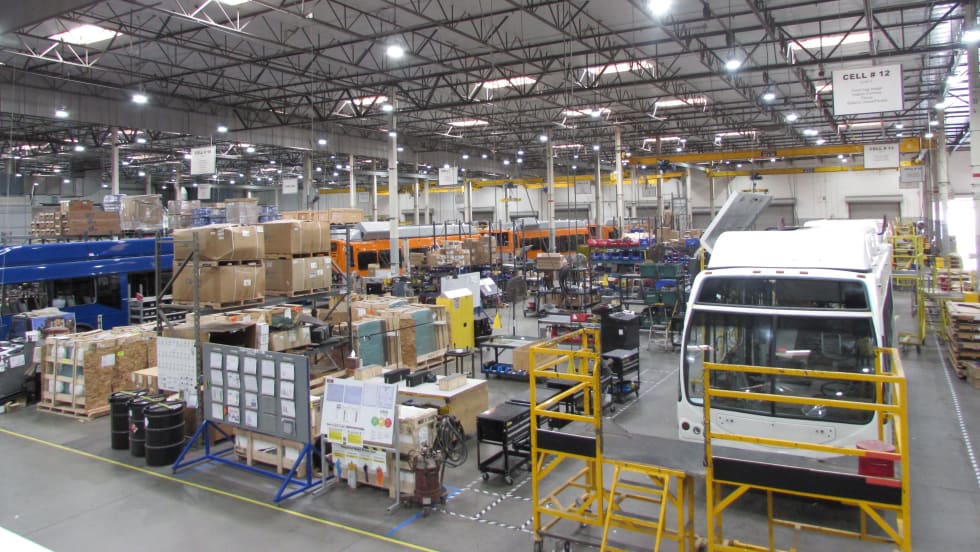
LA Metro Board Awards 220 Battery-Electric Bus Contract to ENC
The contract, which is the largest base award of battery-electric buses by a U.S. transit agency, will be built in Southern California, sustaining good jobs as LA prepares to welcome the world in 2028
Read More →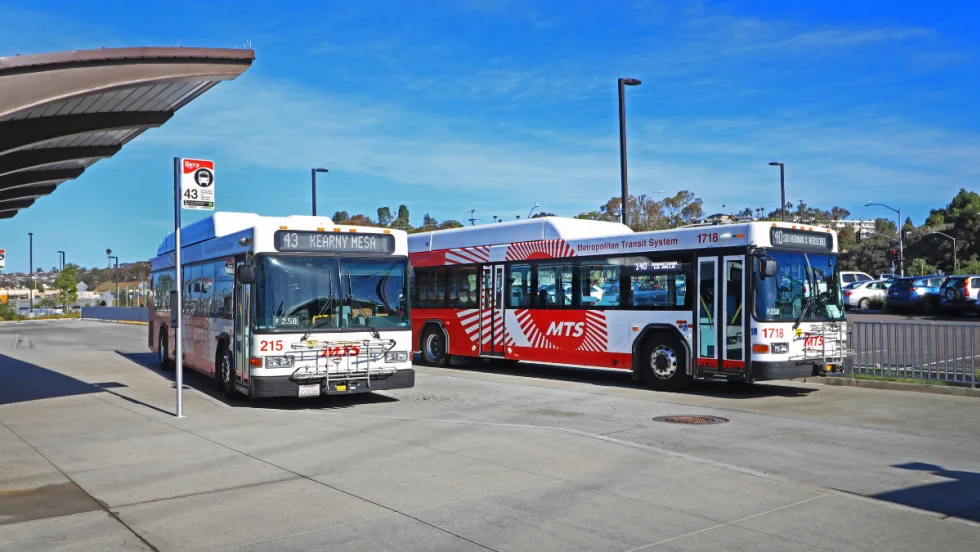
What’s Behind San Diego MTS’s Award-Winning Transit Strategy
Named one of APTA’s 2026 Outstanding Public Transportation Systems with 50 million or more annual passenger trips, California’s San Diego Metropolitan Transit System points to gains in ridership, safety, technology, and reliability as foundations of its success.
Read More →
Public Transit Conference Returning to GFX in 2027, Call for Papers Now Open
The Call for Papers is now open, allowing transit agency professionals and industry experts to help shape the PTC educational program by submitting session ideas for consideration.
Read More →
Indian River Transit’s Community-Focused Approach Earns National Recognition
Named APTA’s 2026 Outstanding Public Transportation System in its size category, Florida’s Indian River County transit system continues to grow ridership through fare-free service and a focus on evolving community needs.
Read More →
ENC Lands MATA Contract and More in Biz Briefs
In this edition of Biz Briefs, we spotlight the latest developments shaping the future of mobility.
Read More →