




Keep Reading: Latinos In Transit Wraps Inaugural Navigate Mentorship Program
Latinos in Transit, WTS International Renew Partnership to Advance Transportation Workforce Development
The renewed three-year agreement expands collaboration on leadership development, mentorship, education, and economic growth initiatives across the public transportation industry.
May 26, 2026

LIT Board Chair Eugenio Bonet, WTS International Chair Bridgette Beato, and WTS International CEO and Executive Director Malika Reed Wilkins, Ph.D., announced the partnership renewal between LIT and WTS at the WTS International Annual Conference in Los Angeles.
Credit:
WTS International
2 min to read
Latinos in Transit (LIT) and WTS International recently announced the renewal of their Memorandum of Understanding (MOU) during the WTS International Annual Conference held in Los Angeles, California, in May.
The agreement was formally signed by LIT Board Chair Eugenio Bonet, LIT Executive Director Christina Villarreal, WTS International Chair Bridgette Beato, and WTS International CEO and Executive Director Malika Reed Wilkins, Ph.D., reaffirming a “shared commitment to strengthening workforce development, leadership opportunities, and industry collaboration throughout the public transportation sector.”
The updated three-year MOU builds upon the longstanding partnership between the two national nonprofit organizations and expands opportunities for professional development, industry engagement, education, and economic growth initiatives that support public transportation professionals nationwide.
Founded in 2016, LIT has become an industry voice in workforce development and leadership advancement within the public transportation sector, connecting professionals across public and private sectors while creating pathways for career growth, mentorship, and leadership opportunities.
WTS International, established in 1977, continues advancing women and strengthening the transportation workforce through leadership development, networking, and education.
“This renewed partnership represents the power of collaboration in shaping the future of the transportation industry,” Villarreal said. “Both LIT and WTS International are deeply committed to creating opportunities that empower professionals, strengthen leadership pipelines, and inspire the next generation of transportation leaders. By working together, we can continue expanding access to mentorship, professional development, and workforce initiatives that benefit the entire industry.”
Expanded Collaboration and Workforce Initiatives
Under the renewed MOU, LIT and WTS International will continue collaborating on initiatives designed to increase transportation career awareness, support workforce participation and advancement, share industry resources and best practices, and encourage engagement in organizational leadership at the local, national, and international levels.
As part of the partnership, WTS International will continue supporting LIT through conference participation, promotion of LIT programs and scholarship opportunities, collaborative communications, and the exchange of workforce and policy information relevant to the transportation industry.
LIT will similarly support WTS International through event promotion, shared programming opportunities, annual webinars, and participation in the LIT Annual Leadership Summit, including opportunities for WTS leadership to serve as presenters and panelists.
The agreement also “reinforces both organizations’ commitment to economic development initiatives, small business engagement, and contractor development opportunities that strengthen the transportation industry as a whole.”
More Management

CATS Launches West Charlotte Microtransit Zone, Expands Transit Services
The new microtransit zone connects residents to key destinations as Charlotte Area Transit System rolls out the first phase of its 2055 Transit System Plan.
Read More →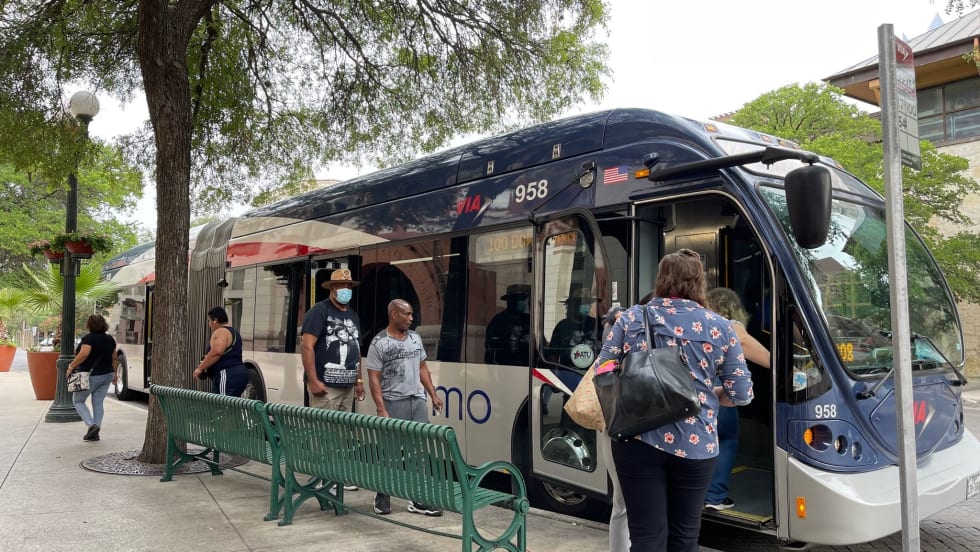
VIA Bus Ridership Grows 10.1% Through August 2026
San Antonio's VIA Metropolitan Transit reported the highest bus ridership growth among major Texas transit systems. Federal Transit Administration data ranked it second among the nation's 50 largest transit systems.
Read More →
CSA Group Releases Climate Resilience Standard for Transit, Passenger Rail
Developed with support from the Standards Council of Canada, CSA D700 guides assessing climate-related risks and planning adaptation measures for transit and passenger rail systems.
Read More →
ETA CEO John Maglio on Transit Technology, Innovation, and Building Agency Trust
ETA founder and CEO John Maglio explores the evolution of transit technology, the importance of reliable systems, and how stronger partnerships can help agencies improve operations and the passenger experience.
Read More →
COTA Launches First Customer Experience Action Plan to Improve Transit Service
The new plan outlines improvements to service reliability, accessibility, communication, and the overall rider experience across Central Ohio's transit system.
Read More →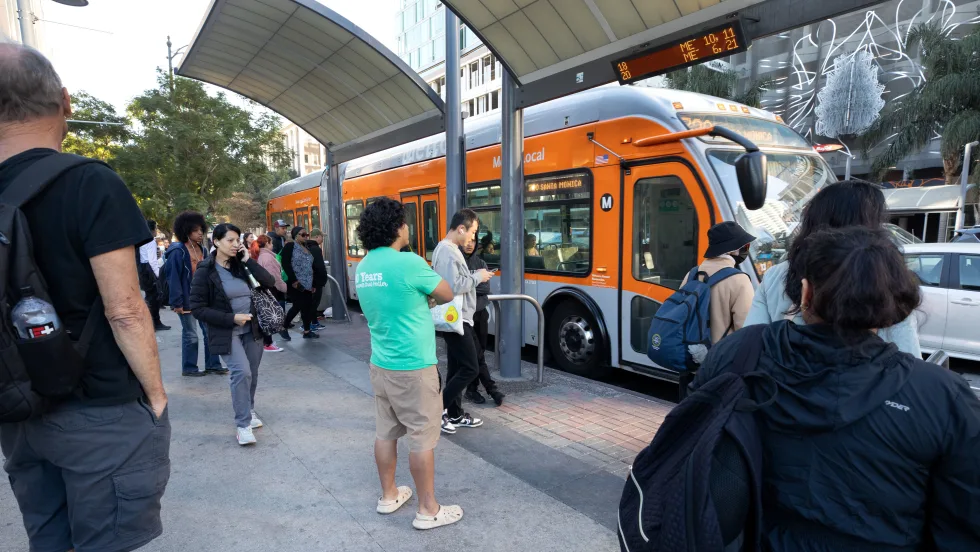
LA Metro September Ridership Climbs 3.9%, Led by Rail Growth
The agency recorded more than 27.2 million boardings, with rail ridership increasing 12.4% year over year and the D Line posting the largest gains.
Read More →
Utilimarc Launches SmartReplace to Optimize Fleet Replacement Decisions
AI-powered SmartReplace helps fleets prioritize vehicle replacements, model budget scenarios, and build more defensible long-term strategies.
Read More →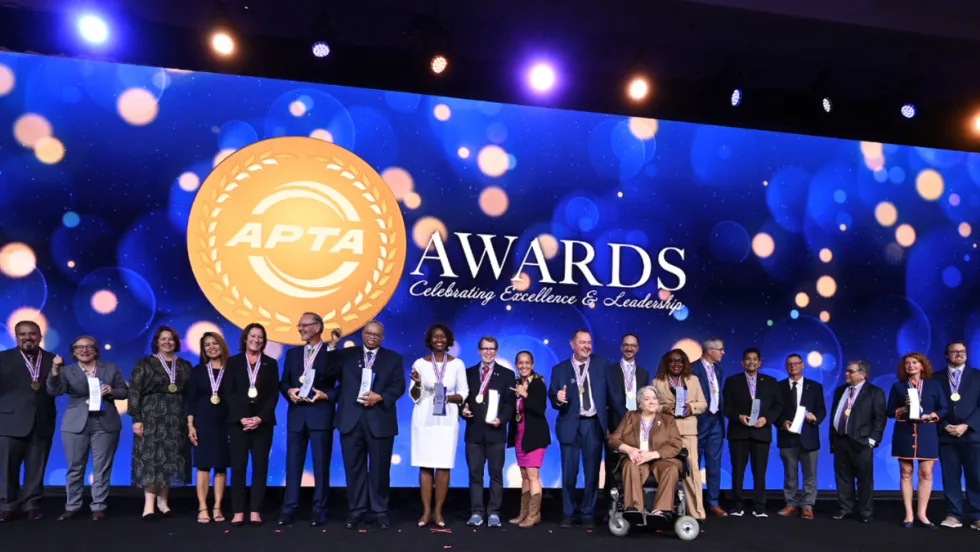
APTA Honors 2026 Award Winners, Hall of Fame Inductees at TRANSform & EXPO
Innovations in autonomous and zero-emission transportation, standout transit systems, and industry leadership took center stage among this year's honorees.
Read More →
7 Ways to Build a Better Transit Internship Program
Lessons from DRPA/PATCO’s approach to creating a meaningful internship experience—and developing the next generation of transportation professionals.
Read More →
Scenes from APTA TRANSform & EXPO 2026
Transit leaders, manufacturers, and industry professionals gathered in Chicago to explore new technologies, share ideas, and discuss the future of public transportation.
Read More →